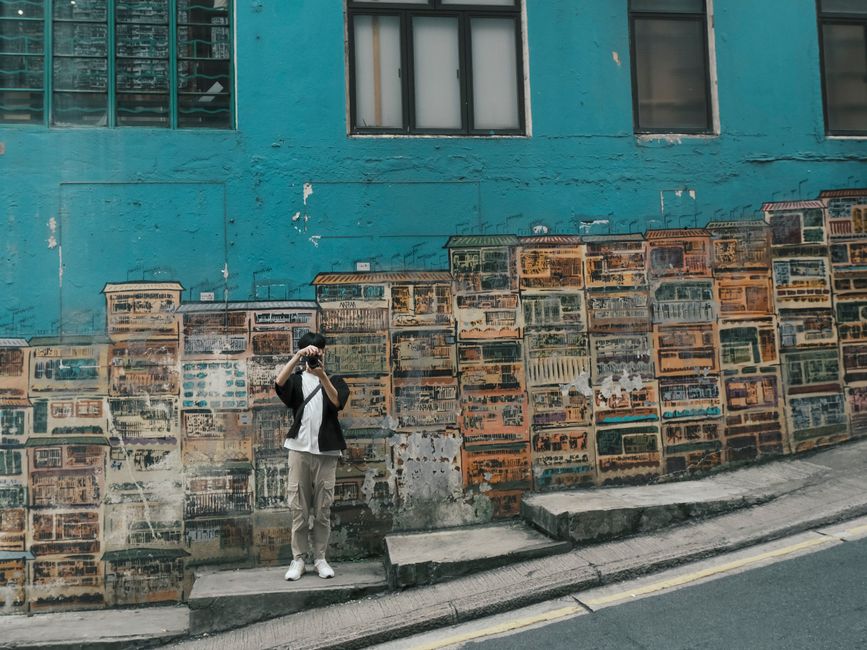
Walk down Chun Yeung Street in Fotan on a Saturday morning, and you'll encounter a Hong Kong few tourists ever see. Warehouse walls explode with colour—geometric abstracts in electric blues, social commentary in stark blacks and whites, character studies that seem to watch you pass. This isn't accidental beautification. Behind every mural stands a deliberate choice by artists who decided their work belonged not in galleries, but on the streets.
The transformation didn't happen overnight. Five years ago, Fotan was primarily known as light industrial space—cheap rents that attracted small manufacturers and creative studios priced out of Central and Sheung Wan. When the first generation of street artists began claiming walls around 2021, it was semi-legal grey area. Property owners were ambivalent; the neighbourhood had no real identity to protect.
That's when collectives like Mau Tei Studios and smaller independent crews recognised an opportunity. They approached building owners directly, proposing murals not as vandalism but as community assets. Some owners were sceptical. Others saw potential. By 2023, informal agreements had solidified: artists could paint designated walls in exchange for maintaining standards and respecting the industrial character of the district.
What distinguishes Fotan from other street art pockets is intentionality. These aren't tag-and-run operations. Artists spend weeks on single walls, experimenting with materials suited to Hong Kong's subtropical humidity—UV-resistant acrylics, special primers that combat salt air from the nearby harbour. The average mural costs between HK$3,000 and HK$15,000 in materials; artists absorb costs or seek modest sponsorship from local coffee shops and design studios now clustering in the area.
The demographic tells its own story. Most core contributors are aged 25 to 40, trained formally in fine art, graphic design, or architecture but frustrated by Hong Kong's limited public art budget and gallery gatekeeping. Several worked corporate design jobs before pivoting full-time to street art—a decision still considered financially precarious in a city where creative sectors remain underfunded compared to finance and real estate.
Today, Fotan hosts over 80 significant murals across its main streets. Property values have risen 12-15% since 2022, a complicated victory: the district's success now attracts developers eyeing redevelopment. Artists worry about preservation and commercialisation. Yet they've created something undeniable—a neighbourhood where Hong Kong's creative energy becomes visible, tangible, and shared freely on every corner.
This article was compiled by AI from the sources linked above and screened before publishing. See our editorial standards.