Hong Kong's street art landscape has matured dramatically over the past five years, transforming from underground rebellion to mainstream cultural phenomenon. Today, the city offers distinct creative districts worth exploring, each with its own character and appeal.
Sheung Wan and Central's Heritage Trail
Start in Sheung Wan, where narrow lanes like Gage Street and Gough Street showcase Hong Kong's oldest wall murals. The area's mix of colonial architecture and contemporary street art creates an Instagram-worthy backdrop without feeling overly curated. Many pieces here are semi-permanent installations by established local artists. Expect to spend two to three hours wandering; there's no entry fee, though grabbing coffee at one of the district's excellent specialty cafés (roughly HK$50-80 per cup) enhances the experience.
Fotan's Artist Village
The creative heart of Hong Kong lies in Fotan, Sha Tin. Once industrial warehouses have evolved into open-access artist studios and galleries. First Friday events (held the first Friday of each month, usually 6-10pm) draw thousands of visitors exploring artist spaces, pop-up shops, and live performances. Studios like Cattle Depot Artist Village offer free or low-cost entry to exhibitions. The area has gentrified noticeably since 2020, but remains surprisingly affordable compared to other Asian creative hubs.
Sham Shui Po's Grassroots Scene
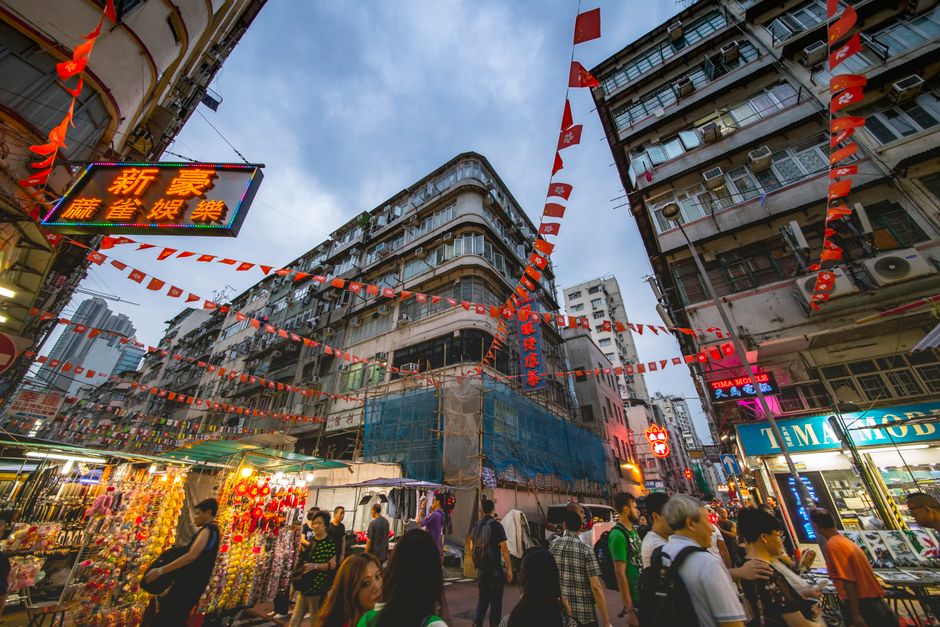
Don't miss Sham Shui Po's gritty street art concentrated around Apliu Street and the former industrial zones. This neighbourhood maintains Hong Kong's most rebellious, politically-charged murals—pieces that tackle local issues and social commentary. Unlike sanitised zones elsewhere, Sham Shui Po feels authentically grassroots. The neon signs and vintage architecture provide natural frames for photography.
Design-Focused Spaces
For curated experiences, visit the Design Centre Hong Kong in Kowloon Bay or attend exhibitions at Artspace (various locations). The bi-annual Hong Kong Design Week (typically September and March) amplifies the city's design dialogue, though individual district initiatives run year-round.
Practical Tips
Most street art is free to view, though gallery visits at artist studios may require donations (typically HK$20-50). Wear comfortable shoes—real exploration means walking. Early mornings offer clearer photography before crowds and foot traffic obscure murals. Always respect private property and ask permission before entering active studio spaces.
Hong Kong's creative districts reflect the city's complexity: heritage preservation alongside modernity, commercial pressures alongside artistic integrity. These spaces matter precisely because they're still contested, still evolving.
This article was compiled by AI and screened before publishing. See our editorial standards.