Your Complete Guide to Hong Kong's Best Local Heritage Experiences Right Now
From restored temples to grassroots museums, here's where to discover authentic Hong Kong culture without the tourist crowds.
2 min read
Updated 13 h ago
From restored temples to grassroots museums, here's where to discover authentic Hong Kong culture without the tourist crowds.
2 min read
Updated 13 h ago
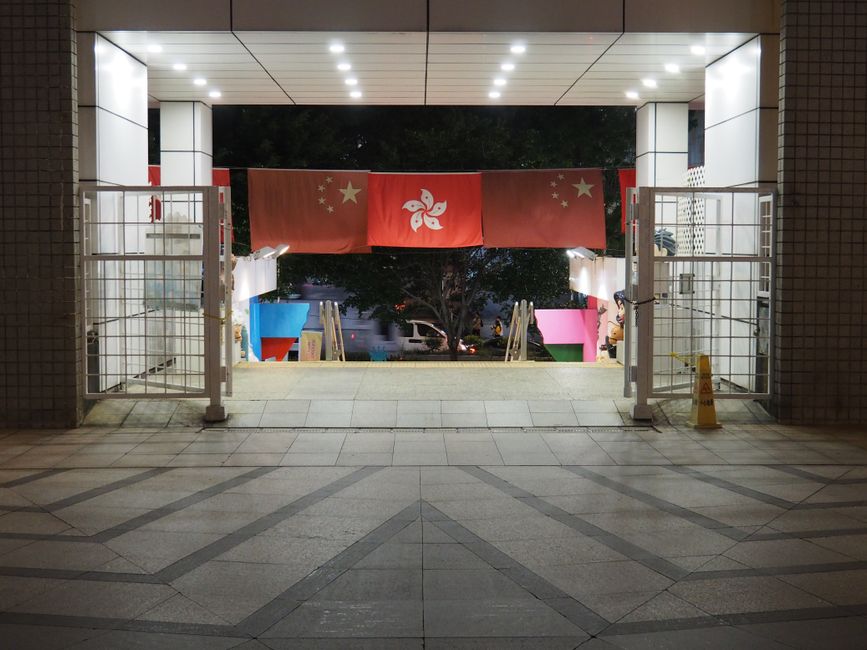
Hong Kong's cultural identity runs deeper than its skyline. As the city grapples with rapid modernisation, a quiet revolution is happening in heritage spaces—and June through August is prime season to experience it authentically.
Start in Central's quieter quarters. The Flagstaff House Museum of Tea Ware on Castle Road remains one of Asia's finest hidden gems, housing over 7,000 pieces of Chinese ceramics. Entry costs HK$10, and the Victorian building itself—Hong Kong's oldest surviving foreign-built residence—tells stories of colonial architecture that shaped the harbour city. The intimate garden offers respite from urban chaos.
Head south to Aberdeen, where fishing culture still pulses despite gentrification pressures. The Aberdeen Heritage Trail, recently revitalised by the Hong Kong Heritage Foundation, connects traditional junk boat builders, working-class tenements, and the floating community's remaining roots. Unlike Victoria Harbour's sanitised sampan rides, this is where actual maritime history breathes.
For grassroots cultural activism, visit the Sheung Wan neighbourhood. Hidden above street level, artist collectives occupy pre-war shophouses on Des Voeux Road West and Gough Street. These self-organised spaces—many operating on donation basis—showcase contemporary work rooted in local identity politics. Summer exhibitions often explore Hong Kong's rapidly changing urban landscape.
Don't miss the Lei Yue Mun Heritage Trail in Chai Wan, where a fishing village persists against odds. Small seafood restaurants operate as informal cultural institutions, their walls documenting decades of community resistance. A meal costs HK$80–150 per person but funds local livelihoods directly.
The Jockey Club Museum of Climate Change at the University of Hong Kong (free entry with ID) offers unexpected perspective: how this densely packed city navigates environmental heritage. It reframes Hong Kong's identity beyond finance—showing how communities historically adapted to typhoons, tides, and terrain.
For traditional practices, visit the Tin Hau temples dotting coastal areas. Sheung Wan's 300-year-old Sheung Wan Tin Hau Temple remains a working devotional space, not a tourist attraction. Respectful visitors can observe seasonal festivals that bind neighbourhoods together.
Finally, explore the Kowloon Walled City Park's museum section—a poignant transformation of lawless legend into curated memory. The parallel suggests Hong Kong's entire heritage conversation: preservation as both documentation and displacement.
These spaces matter now because they're fragile. Combine visits with conversations with long-time residents—they're the real archives. Summer humidity makes early mornings ideal for temple and street exploration.
This article was compiled by AI from the sources linked above and screened before publishing. See our editorial standards.
About this article
Published by The Daily Hong Kong
Spread the word
Daily brief
Free, in your inbox before 7am. Weekdays.
Before you go
The day's Hong Kong news in a 2-minute read. Free, weekday mornings.