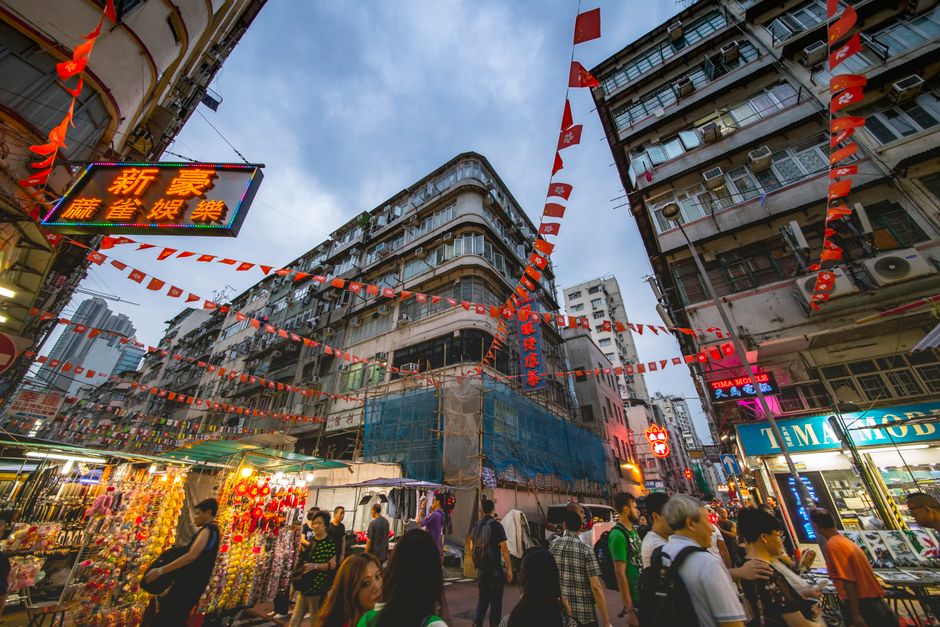
Walk through Sham Shui Po's backstreets on a Saturday morning, and you'll encounter a transformation that would have been unthinkable five years ago. Weathered factory walls now host elaborate murals depicting Hong Kong's industrial heritage. Collaborations between local artists and residents have turned the neighbourhood into an open-air gallery that draws photographers and culture-seekers from across the territory.
This shift reflects a broader movement reshaping how Hong Kong's creative class reclaims public space. Unlike the top-down urban renewal projects that have long defined the city's landscape, street art initiatives are now being driven by artist collectives, community groups, and independent curators who operate with minimal institutional backing—and minimal budgets.
Organisations like Street Art HK and the grassroots collective Behind the Wall have become catalysts for this change. They coordinate mural projects across Sham Shui Po, North Point, and Kowloon City, mobilising both emerging and established artists. These groups negotiate with property owners, secure informal permissions, and document work through social media channels, building visibility without relying on traditional gallery infrastructure.
The economics tell an interesting story. While a gallery exhibition in Central might cost upwards of HK$50,000 to mount, a community mural project operates on modest donations and artist labour. Yet the cultural impact often exceeds traditional venues. A single well-executed mural can become a landmark, attracting foot traffic to struggling street markets and local businesses in ways that corporate advertising cannot.
North Point's 'Artist Village' initiative exemplifies this model. Since 2023, former warehouse spaces have been converted into artist studios and pop-up exhibition spaces, with monthly open-studio events drawing hundreds of visitors. Local residents now describe the neighbourhood as having "cultural energy we thought we'd lost."
However, challenges persist. Developers increasingly co-opt street art aesthetics for gentrification projects, neutralising the rebellious spirit that made the movement compelling. Several landmark walls in Sham Shui Po have been demolished for residential developments, erasing months of collaborative work.
Yet the movement shows resilience. What distinguishes today's scene is its community-first ethos. These artists aren't seeking institutional validation—they're rebuilding Hong Kong's relationship with its urban fabric, one neighbourhood at a time. As property pressures intensify, grassroots collectives have become unlikely defenders of the city's creative soul, proving that cultural vitality doesn't require skyscrapers or corporate sponsorship.
This article was compiled by AI from the sources linked above and screened before publishing. See our editorial standards.