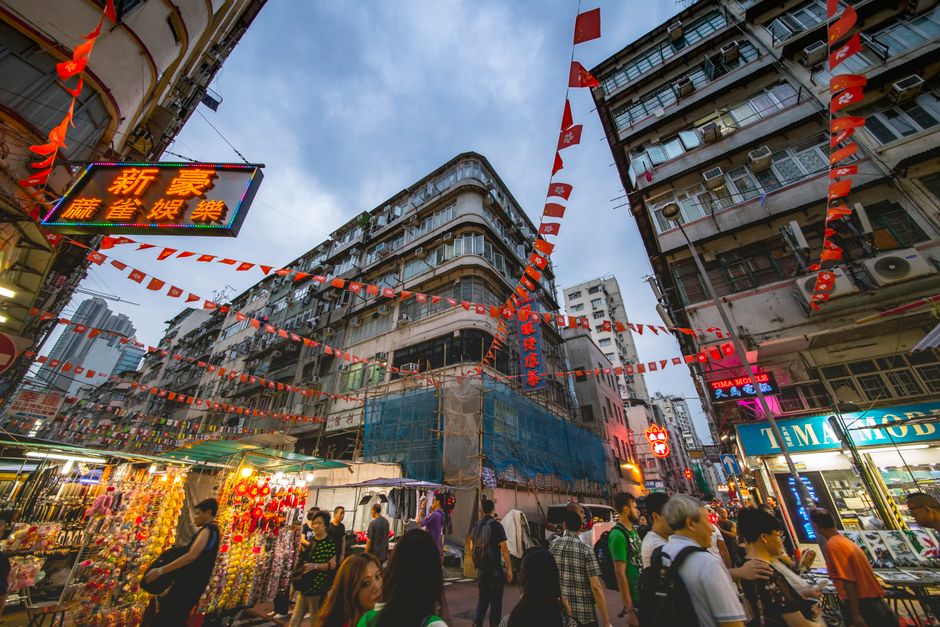
Walk down Gage Street in Central on a Tuesday evening and you'll notice what many regulars have been whispering about for months: the old certainty is gone. Established restaurants that once commanded queues around the block are now offering discounts. Meanwhile, in Quarry Bay, Wong Chuk Hang, and even North Point, a different energy thrums. This is the conversation dominating Hong Kong's dining circles right now—not where the money used to flow, but where it's actually flowing now.
The shift reflects hard economics. A 2025 survey by the Hong Kong Restaurant Association noted that average monthly rents in Central have climbed 18 percent since 2023, while foot traffic from international tourists remains roughly 15 percent below 2019 levels. For mid-tier restaurants operating on thin margins, the math no longer works. But rather than capitulation, what's emerged is migration and mutation.
Quarry Bay has become the unexpected epicentre. Young chefs—many returning from stints in Singapore, Seoul, and Melbourne—are opening lean, high-concept venues in converted industrial spaces. A neighbourhood that five years ago meant "concrete jungle" now means experimental Nordic-Japanese fusion, natural wine bars, and nose-to-tail butcheries. The area's lower overheads have attracted operators willing to take creative risks that wouldn't survive Central's rent obligations.
Wong Chuk Hang, traditionally sleepy, is following suit. The reinvigorated Creative Valley initiative has drawn gallery owners, designers, and now ambitious food entrepreneurs. Three new venues opened there in the past eight months alone, each with a distinct point of view rather than the safe, tourist-friendly playbook that dominated the old guard.
Price points are telling. Where a dinner for two with wine in Central now comfortably exceeds HK$1,200, comparable quality in these emerging zones runs HK$700-900. That gap is widening loyalties, particularly among young professionals and expatriates who've grown fatigued by predictability wrapped in prestige pricing.
North Point's revival has surprised even sceptics. The neighbourhood's dense residential population and proximity to working-class authenticity have attracted a new category of restaurant: refined home cooking, often run by chefs reacting against fine dining's theatrical excess. These spaces feel less like destinations and more like extensions of Hong Kong's actual life.
The conversation among food writers and industry veterans has shifted accordingly. The question is no longer "where should I eat?" but "where are the real conversations happening?" That shift—from tourism infrastructure to local reimagining—is precisely what locals are talking about, and it suggests Hong Kong's food culture may finally be becoming interesting again because it's becoming genuine.
This article was compiled by AI from the sources linked above and screened before publishing. See our editorial standards.