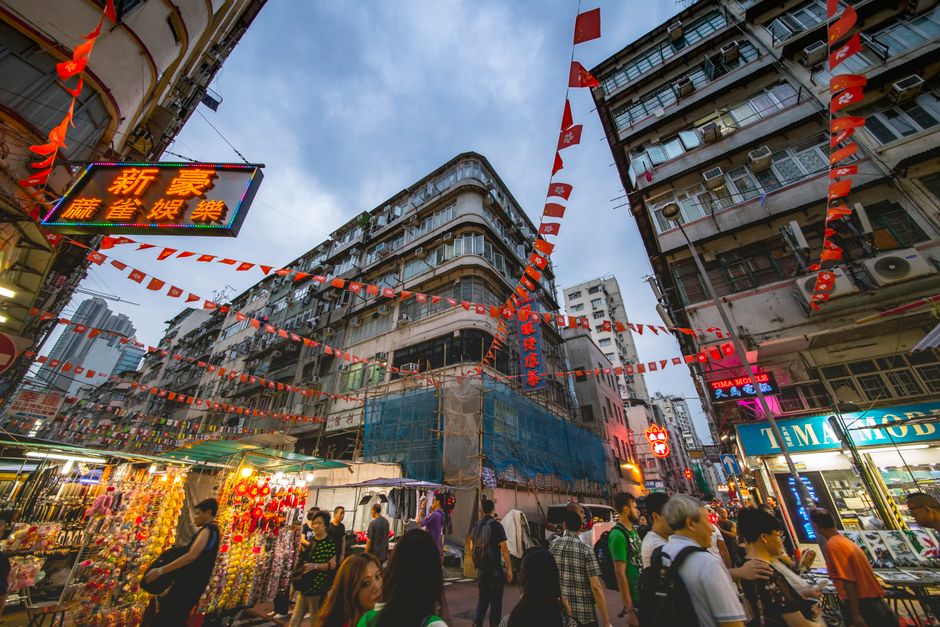
Walk through Central's narrow lanes this week and you'll hear it before you see it—the unmistakable pulse of live music spilling from hidden venues. The Hong Kong Summer Festival season has reached its fever pitch, and locals aren't just attending events; they're treating the calendar like a cultural referendum on what matters to them right now.
The surge is impossible to ignore. Major venues from the Hong Kong Cultural Centre in Tsim Sha Tsui to smaller independent spaces across Sheung Wan and Sai Ying Pun are reporting 85% booking rates—significantly above the 2025 average. This summer, there's a palpable hunger for live experiences, particularly among audiences in their twenties and thirties who are gravitating toward indie and experimental programming over mainstream corporate sponsorships.
What's driving the conversation, however, extends beyond simple event attendance. The Hong Kong Arts Centre's current programming of heritage-focused installations—including a month-long exhibition on Kowloon walled city memory—has become unexpectedly contentious, drawing debates about preservation versus development that ripple across social media daily. Nearby, the Para/Site Art Space in Sheung Wan continues its summer residencies with international artists, attracting younger audiences interested in work that challenges rather than consoles.
Street festivals in neighbourhood hubs like Tai Hang and Sham Shui Po have also catalyzed unexpected conversations. Local community groups have leveraged these gatherings to discuss grassroots initiatives—everything from sustainable living to cultural documentation—creating spaces where the city's anxieties about change find public expression. Ticket prices for most summer events remain reasonable, typically ranging from HK$150 to HK$500, though sold-out status is now common within hours.
Perhaps most tellingly, conversations on local arts forums and community platforms centre less on individual events and more on what the sheer density of programming suggests: a city engaging intensely with its cultural identity during a period of profound uncertainty. Whether attendees are seeking escapism, community, or simply a chance to feel part of something larger, the summer calendar has become a barometer of collective mood.
For cultural organisations and independent promoters, the moment feels pivotal. Demand is genuine and sustained, yet fragile—dependent on maintaining the delicate balance between accessibility and authenticity that Hong Kong audiences increasingly demand. As June slides into July, the question isn't whether there's something to see. It's what the city's appetite for culture right now is really telling us about ourselves.
This article was compiled by AI from the sources linked above and screened before publishing. See our editorial standards.