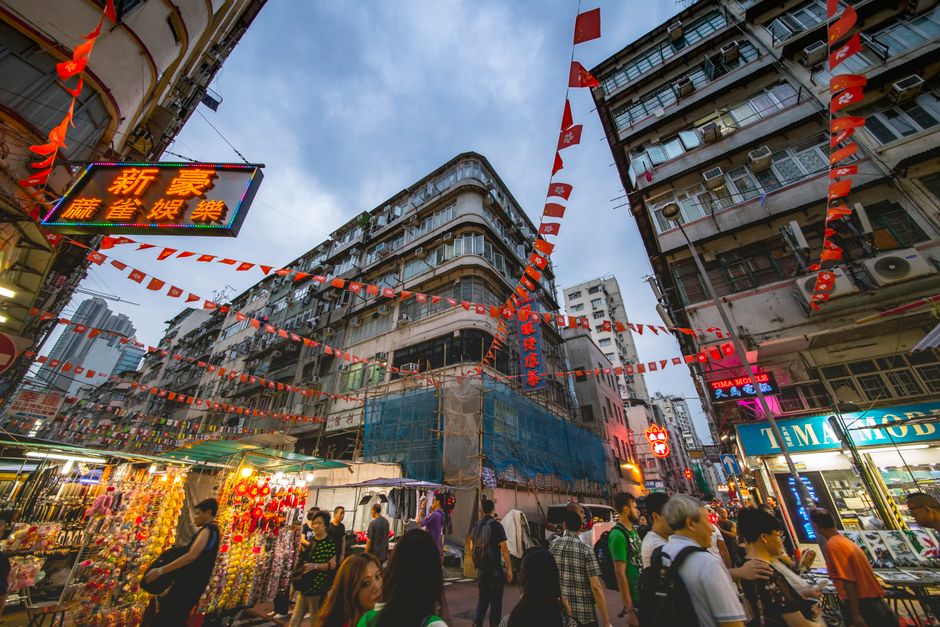
Walk through the narrow lanes of Sham Shui Po on a Saturday afternoon, and you'll encounter something that felt impossible five years ago: a thriving independent gallery scene that rivals Central's polished auction houses. This shift represents far more than real estate arbitrage—it reflects a fundamental restructuring of who gets to define Hong Kong's cultural conversation.
The movement gained momentum around 2023, when rising rents in traditional art districts forced emerging curators and artists to seek alternatives. Today, Sham Shui Po counts over thirty independent galleries and artist collectives, with venues like PMQ (Police Married Quarters) in Central and the sprawling creative spaces along Kowloon's industrial corridors attracting audiences previously untethered to establishment museums.
"We're seeing democratisation in action," explains the ecosystem rather than any single voice. The shift is evident in visitor patterns: PMQ reported 3.2 million visitors in 2025, while smaller independent spaces across Wong Chuk Hang and To Kwa Wan now command attention once reserved for the Hong Kong Museum of Art and M+ in Victoria Dockside. Entrance fees at independent venues typically range from free to HK$80, compared to HK$30-50 at major museums, removing traditional barriers to access.
What distinguishes this movement is its community-driven ethos. Collectives like APO (Artists Post-Office) have pioneered collaborative exhibition models where emerging artists share curatorial responsibility and operational costs. The annual Frieze Hong Kong fair has expanded to include dedicated "Insights" sections featuring independent initiatives—a deliberate nod to grassroots influence reshaping the art world's power structures.
The movement extends beyond visual arts. Performance spaces in Tsim Sha Tsui's former entertainment venues now host experimental theatre and multimedia installations. The revival of heritage-listed structures—particularly former industrial buildings in Kwun Tong—has created laboratories for interdisciplinary practice that traditional institutions, bound by conservation protocols and donor expectations, struggle to accommodate.
Yet this renaissance faces headwinds. Gentrification pressures threaten long-term stability, with landlords increasingly aware of cultural space's real estate value. The government's recent Arts Development Fund allocations remain modest compared to other Asian cities, forcing independent operators to rely heavily on crowdfunding and international grants.
Still, momentum persists. Monthly "art walks" organised by community groups draw thousands through Sham Shui Po and beyond. These grassroots events—absent institutional sponsorship—suggest something more resilient than a temporary trend: a recalibration of cultural authority itself, where Hong Kong's art world increasingly belongs to those making it, rather than those merely exhibiting it.
This article was compiled by AI from the sources linked above and screened before publishing. See our editorial standards.