How a Retired Teacher and Her Neighbours Built Hong Kong's Most Intimate Summer Festival
In a converted warehouse in Sham Shui Po, a quiet grassroots movement has transformed an overlooked corner of the city into a cultural gathering that draws thousands—and reveals the power of hyperlocal placemaking.
This article was generated by AI from the linked public sources. The Daily Hong Kong is independently owned and covers Hong Kong news free from advertiser or sponsor influence. Read our editorial standards →
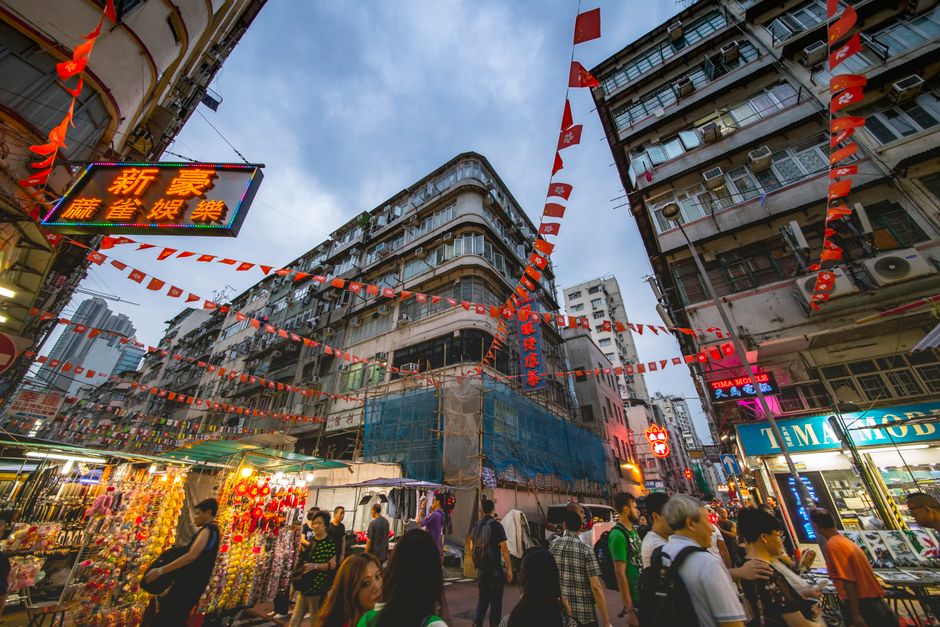
Walk down the narrow lanes behind the wet markets of Sham Shui Po on any summer evening, and you'll hear it before you see it: live music spilling from an old industrial building, laughter echoing off century-old brick walls, the smell of grilled fish cakes mixing with craft coffee. This is the Kowloon Waterside Summer Collective, now in its fifth year, and it exists because one woman refused to accept that her neighbourhood was invisible.
Margaret Lau, 68, a former English teacher at a nearby secondary school, began documenting the buildings around her home in 2021. What started as a personal photography project—capturing the architecture, street vendors, and overlooked corners of Sham Shui Po—evolved into something larger when she shared images with neighbours. "People started telling me stories," Lau recalled in a previous interview. "A goldsmith who'd worked in the same shophouse for forty years. A dai pai dong owner whose family had been there since the 1970s. I realised these lives were disappearing, undocumented."
By 2023, Lau had formed an informal working group with a local architect, two heritage conservationists, and the owner of a disused textile factory on Pei Ho Street. That owner, whose family business had downsized dramatically, was facing pressure to lease the 4,000-square-metre space to a property developer. Instead, he allowed them to use it free for three months. The Collective was born.
What distinguishes this festival from Hong Kong's more polished summer offerings—like the Hong Kong Arts Festival—is its hyper-local focus and volunteer-driven model. There are no corporate sponsors plastered across banners. The 2025 edition attracted an estimated 8,000 visitors over six weeks, according to neighbourhood foot traffic counts, with a budget of around HK$200,000 raised through a community fundraiser and small grants from the Kowloon Development Council.
The programming reflects the neighbourhood's character: workshops with retired craftspeople teaching traditional tin-making, pop-up film screenings featuring documentaries about endangered trades, live performances by local buskers, and a night market resurrecting recipes from shuttered restaurants. The factory itself has become a meeting place where residents aged 8 to 85 converge.
As Hong Kong grapples with rapid gentrification and the homogenisation of its urban landscape, the Waterside Summer Collective offers a quiet counterargument: that the city's richest culture often lives in the margins, waiting for someone patient enough to listen.
This article was compiled by AI from the sources linked above and screened before publishing. See our editorial standards.
Covering culture in Hong Kong. This article was generated by AI from the linked sources and was not reviewed by a human editor before publishing. See our editorial standards.