Walk into PMQ on Aberdeen Street on any given Saturday afternoon, and you'll find yourself in the midst of Hong Kong's quietly revolutionary heritage scene. Not the polished exhibitions at the Hong Kong Museum of History in Tsim Sha Tsui, but something rawer: emerging curators in their twenties and thirties are installing pop-up installations, digitising forgotten photographs, and asking uncomfortable questions about whose stories get told.
This shift reflects a broader restlessness among younger cultural workers who came of age as Hong Kong's identity became increasingly contested. Unlike their predecessors, who often worked within institutional frameworks, this wave is reclaiming heritage on their own terms—through independent projects, online archives, and neighbourhood-based initiatives that feel distinctly local rather than top-down.
Consider the work happening in Sham Shui Po, traditionally dismissed as merely a working-class electronics hub. Young artists and historians have transformed the district into an open-air classroom, documenting the lives of elderly residents whose families built Hong Kong's industrial past. Their projects—combining oral history, photography, and street-level intervention—cost little to produce but resonate deeply. A community map project launched last year attracted over 3,000 participants mapping memories across the neighbourhood's densely packed streets.
The economics of this shift matter. With studio rents averaging HK$15,000–HK$25,000 monthly in central areas, emerging talents have migrated to Kwun Tong, To Kwa Wan, and North Point—historically overlooked neighbourhoods now becoming creative hubs. This geographic dispersal has democratised cultural production; heritage work no longer clusters around tourism zones.
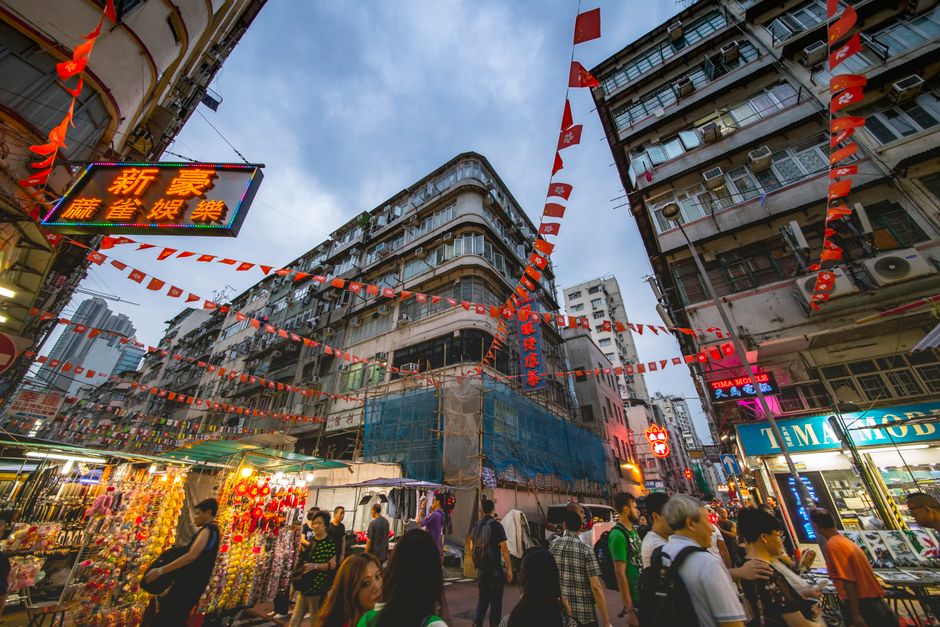
Digital platforms have accelerated this transformation. Instagram accounts dedicated to vintage Hong Kong photographs now attract followings in the hundreds of thousands. Young archivists are crowdsourcing family albums, building databases of disappearing shopfronts in Mong Kok, and creating interactive timelines of Kowloon's vanished neon signs. The cost: virtually nothing. The impact: immeasurable.
What distinguishes this generation is their refusal of nostalgia for nostalgia's sake. They're not simply preserving the past; they're interrogating it—asking how colonial legacies shaped neighbourhoods, how gentrification erases community memory, and whose cultural narratives have been marginalised. Their work insists that heritage belongs to everyone, not just institutions or elites.
As Hong Kong continues navigating profound changes, these emerging voices are performing essential cultural work: ensuring that ordinary people's stories—hawkers, factory workers, street vendors—remain visible. In doing so, they're not just writing history; they're claiming the right to define what Hong Kong's identity actually is.
This article was compiled by AI and screened before publishing. See our editorial standards.