Hong Kong's Food Scene Decoded: What Visitors Must Know Before You Dine
From Michelin-starred temples to street-level legends, here's how to navigate the city's most thrilling culinary landscape.
3 min read
Updated 10 h ago
From Michelin-starred temples to street-level legends, here's how to navigate the city's most thrilling culinary landscape.
3 min read
Updated 10 h ago
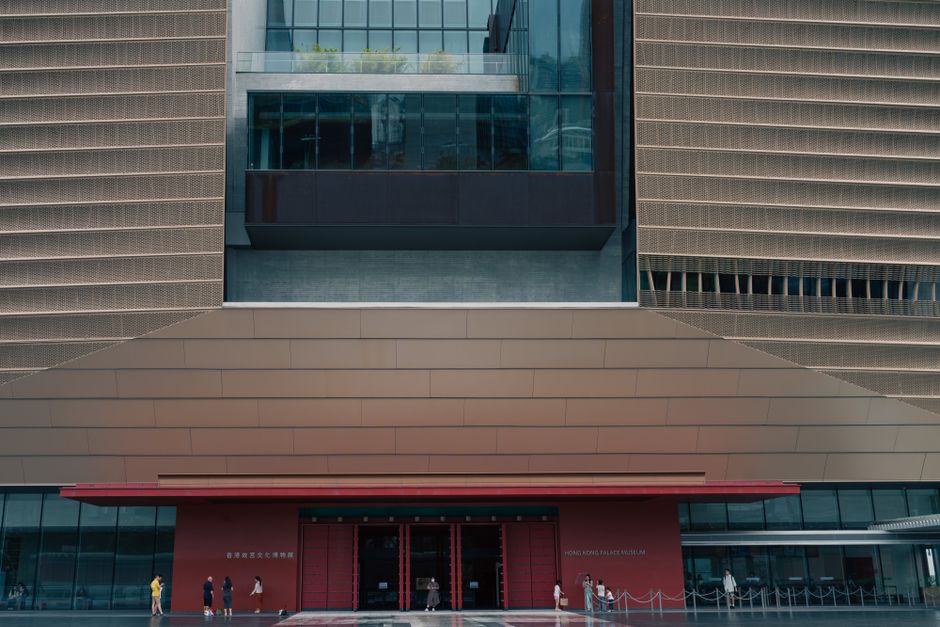
Hong Kong's restaurant culture isn't just about eating—it's a reflection of the city's restless energy, cultural hybridity, and relentless pursuit of excellence. With over 14,000 eateries ranging from humble dai pai dong stalls to three-Michelin-starred establishments, first-time visitors often feel overwhelmed. Here's what you need to know.
The Geography Matters
Central and Sheung Wan dominate fine dining, where restaurants like Bo Innovation in Wan Chai push molecular gastronomy boundaries, and You & Me in Sheung Wan serves minimalist Cantonese cuisine at premium prices (expect HK$1,200–2,000 per head). For approachable excellence, head to Sham Shui Po and Mong Kok, where family-run noodle shops and dim sum venues have operated for decades. Causeway Bay and Tsim Sha Tsui cater to tourists, though quality varies wildly.
Dim Sum Protocol
Breakfast dim sum (6–11am) remains the city's most iconic experience. Classic venues like Tim Ho Wan in Central fill up by 8am. Trolley service—where servers push carts offering bamboo baskets—still exists but is fading. Most restaurants now use paper checklists. Budget HK$200–400 per person for three hours of eating. Arrive early or expect queues of 30–45 minutes, even on weekdays.
Street Food Reality
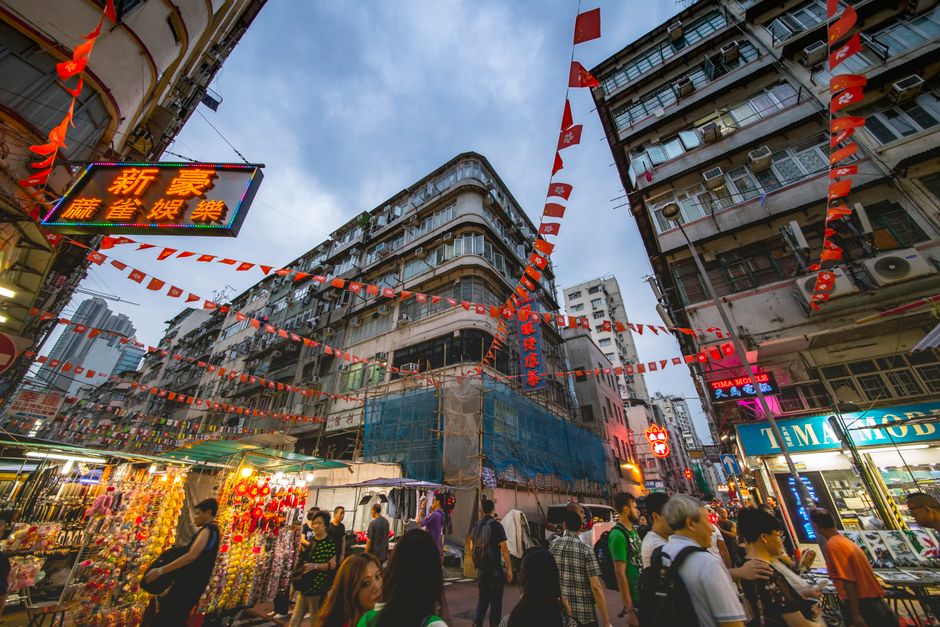
Hong Kong's street food reputation is partly earned, partly exaggerated. Licensed dai pai dong (open-air food stalls) clustered in Temple Street Night Market and Mong Kok remain popular but aren't necessarily superior to restaurant versions. Fish balls, stink tofu, and egg waffles are reliable tourist draws. Expect HK$20–50 per item. The real gems—old-school cha chaan tengs (Hong Kong-style cafés) serving toast with condensed milk—are disappearing but still flourish in residential areas like Sheung Wan and North Point.
Timing and Pricing
Lunch (11:30am–1:30pm) and dinner (6–8:30pm) are peak service times; restaurants operate with military precision during these windows. Outside peaks, some close entirely. Average spend: HK$100–300 for casual dining, HK$500–1,000 for mid-range, HK$1,500+ for fine dining. Tipping isn't obligatory but 10% is customary at restaurants with service charges; dai pai dong requires none.
Cultural Notes
Cantonese remains the lingua franca in kitchens and among servers in older establishments. English proficiency increases in Central but diminishes rapidly once you leave main tourist zones. Don't expect reservations at street stalls. Dietary restrictions are taken seriously, though communication requires patience. Finally: Hong Kong's food culture moves fast. Instagram-famous spots become obsolete within months. Eat where locals eat, arrive hungry, and embrace spontaneity.
This article was compiled by AI from the sources linked above and screened before publishing. See our editorial standards.
About this article
Published by The Daily Hong Kong
Spread the word
Daily brief
Free, in your inbox before 7am. Weekdays.
Before you go
The day's Hong Kong news in a 2-minute read. Free, weekday mornings.