From Blackbox to Broadway: Hong Kong's emerging performance voices reshape the cultural landscape
A new generation of filmmakers, playwrights and choreographers based in Sheung Wan and beyond are challenging conventions and captivating audiences with boldly original work.
This article was generated by AI from the linked public sources. The Daily Hong Kong is independently owned and covers Hong Kong news free from advertiser or sponsor influence. Read our editorial standards →
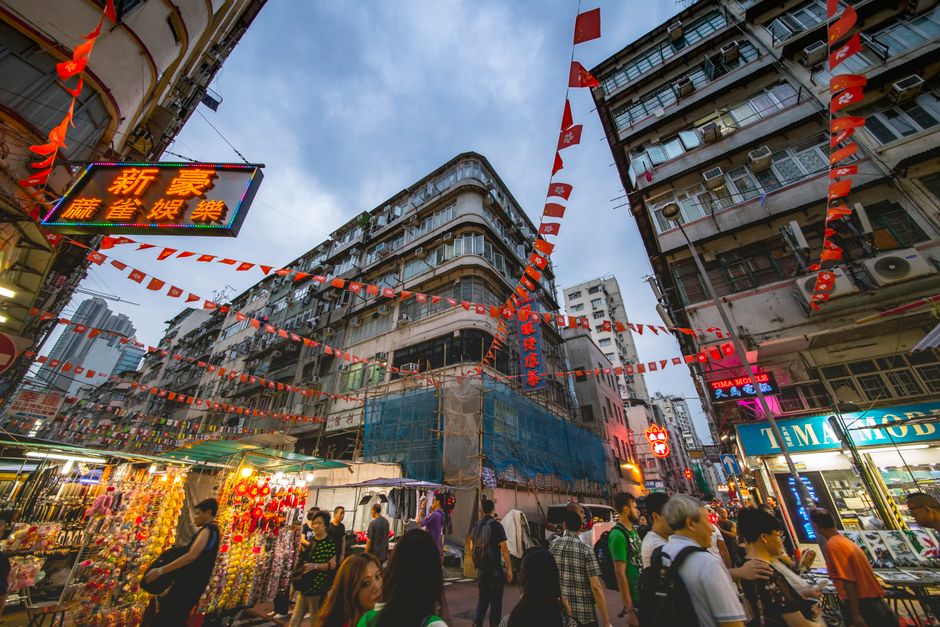
Walk through the narrow lanes of Sheung Wan on any given Friday night and you'll encounter something Hong Kong's cultural establishment rarely celebrated a decade ago: experimental theatre that refuses to play it safe. In converted warehouse spaces and intimate black-box venues scattered across the neighbourhood, a new wave of local artists is reshaking the pillars of Hong Kong's performing arts scene, moving beyond the commercial juggernaut of West Kowloon Cultural District into scrappier, more intimate territory.
The shift reflects a broader demographic and aesthetic realignment. Artists in their late twenties and thirties—many trained abroad but returning to Hong Kong to create—are establishing independent production companies at a clip unseen since the 1990s. According to the Hong Kong Arts Development Council's latest report, independent theatre productions increased 34 percent between 2023 and 2025, though funding remains precarious. Ticket prices hover around HK$200–280 for emerging artists' shows, undercutting major institutions by nearly half, making experimental work accessible to younger audiences priced out of mainstream venues.
The energy is palpable at Cattle Depot Artist Village in Kowloon City, where a cluster of young choreographers and performance artists have transformed industrial spaces into rehearsal studios and micro-theatres. Similarly, the Goethe-Institut's monthly showcases in Central have become launching pads for multilingual, cross-disciplinary work that blends Cantonese storytelling with contemporary dance and projection design. These aren't vanity projects—they're rigorous, audience-tested work that's beginning to travel internationally, appearing at festivals from Singapore to Seoul.
Film is shifting too. Directors in their early thirties are moving beyond the romantic comedies and crime thrillers that once defined Hong Kong cinema, instead crafting intimate character studies and documentaries rooted in the city's layered present. The Hong Kong International Film Festival's recent emerging filmmakers programme saw submissions jump 47 percent year-on-year, reflecting genuine creative appetite among younger practitioners who see the medium as a tool for cultural documentation and personal expression rather than commercial calculation.
What distinguishes this cohort isn't just aesthetic ambition—it's a willingness to work with limited resources, collaborate across disciplines, and build audiences through word-of-mouth and social media rather than rely on traditional gatekeepers. They're creating art that feels unmistakably Hong Kong yet addresses universal themes: identity, displacement, memory, belonging. For a city sometimes dismissed as culturally derivative, the emergence of these bold new voices suggests something more complex and vital is taking shape beneath the surface.
This article was compiled by AI from the sources linked above and screened before publishing. See our editorial standards.
Covering culture in Hong Kong. This article was generated by AI from the linked sources and was not reviewed by a human editor before publishing. See our editorial standards.