Hong Kong's restaurant landscape has shifted dramatically over the past eighteen months, with diners increasingly gravitating towards authenticity over Instagram aesthetics. The city's food culture—already legendary—is experiencing a renaissance of neighbourhood-focused, no-frills establishments alongside a wave of refined reinterpretations of traditional Cantonese cuisine.
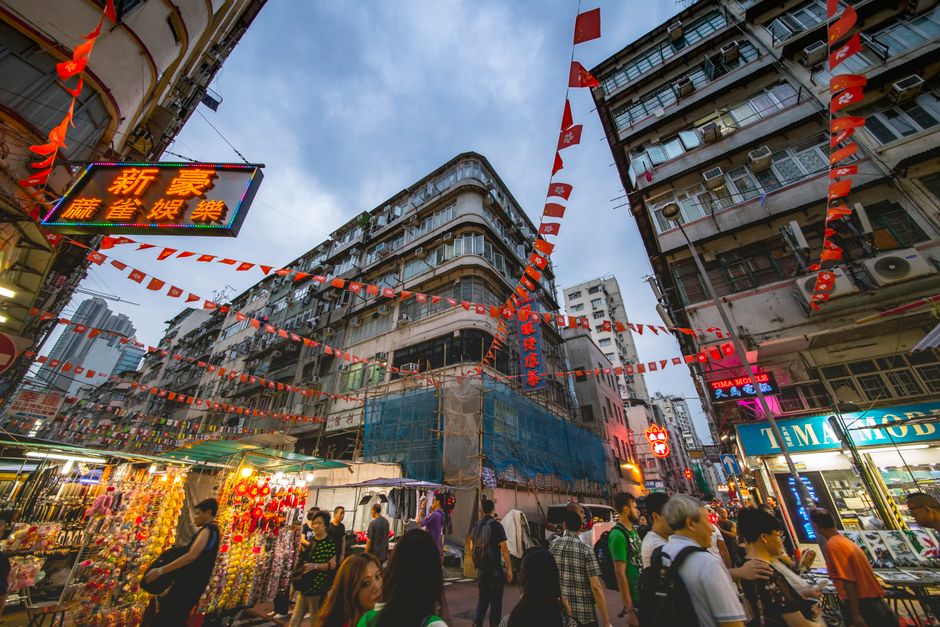
Start in Mong Kok, where the dai pai dong tradition remains vibrantly alive. Street-level wet markets along Nelson Street continue to feed the city's soul, and the cluster of open-air food stalls around the intersection with Argyle Street offers unbeatable value—expect to spend HK$40-60 for breakfast rice noodle rolls or congee that would cost triple in touristy areas. The late-night crowd here reflects genuine local culture: construction workers, taxi drivers, and night-shift nurses sharing tables and stories.
For those seeking refined Cantonese cooking, the Central and Mid-Levels corridor remains the epicentre. The neighbourhood's reputation for serious dining has only intensified, with several Michelin-recognised establishments focusing on classical dim sum preparation and heritage recipes passed through generations. Reservations are essential; expect to allocate HK$300-500 per person for lunch at mid-tier establishments.
Sai Ying Pun—historically overlooked—has emerged as Hong Kong's most exciting neighbourhood for independent venues. The area's transformation reflects broader trends: younger chefs and restaurateurs are reclaiming what were once working-class districts. Here you'll find ambitious small plates restaurants, specialty coffee roasters, and wine bars that feel distinctly Hong Kong rather than globally derivative. This is where creative risk-taking happens.
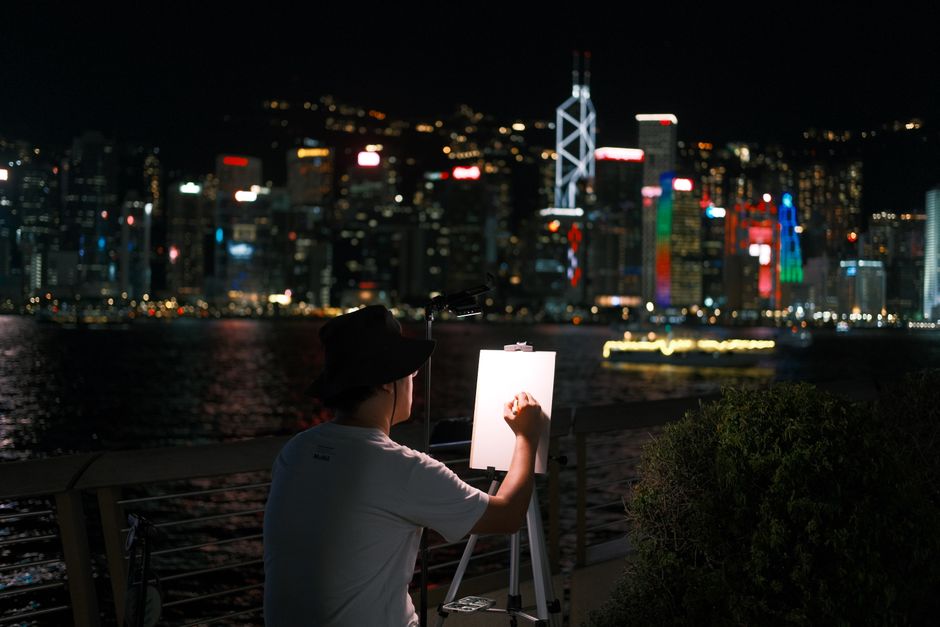
The rooftop bar scene continues evolving beyond cocktail tourism. Venues across Soho and Sheung Wan now prioritise substance—proper spirits programmes, knowledgeable bartenders—over views alone, though the Victoria Harbour backdrop remains undeniably compelling for sunset visits.
Don't overlook Causeway Bay's transitional character. Alongside major chains, independent ramen shops and izakayas tucked into side streets offer exceptional quality at accessible prices. The area functions as a living laboratory for how Hong Kong food culture adapts and preserves itself simultaneously.
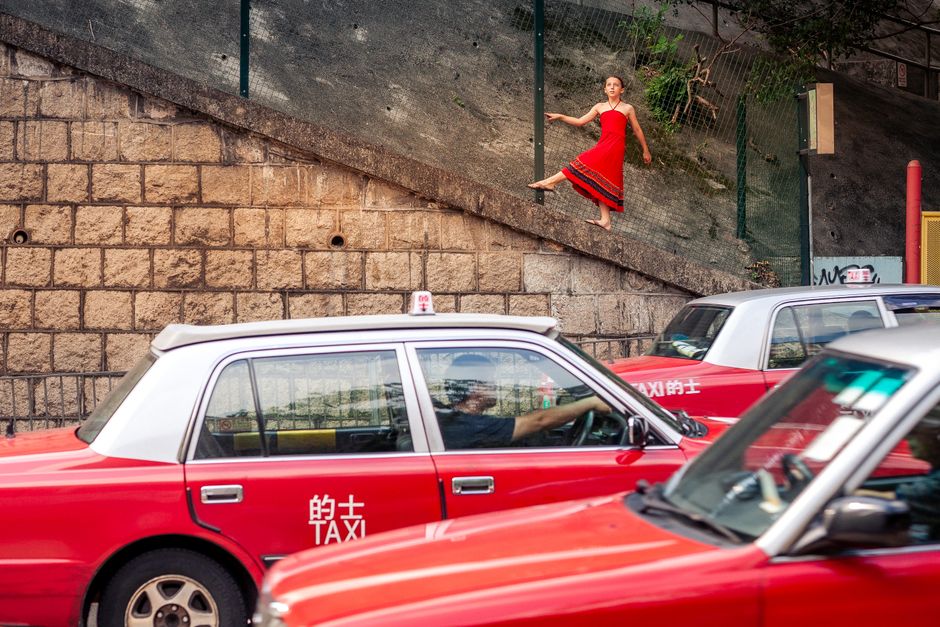
The current moment rewards curiosity and willingness to venture beyond predictable paths. Seek out neighbourhood recommendations from locals—taxi drivers remain surprisingly reliable guides—and embrace the unpretentious establishments where Hongkongers actually eat. The city's truest culinary experiences remain those requiring no reservation, no English menu, and no expectation except genuine, well-executed food.
This article was compiled by AI from the sources linked above and screened before publishing. See our editorial standards.