Hong Kong's restaurant culture operates on a scale and intensity that can overwhelm first-time visitors. With over 14,000 eateries across the territory and a population that spends roughly 40 per cent of its dining budget eating out, this is a city where food isn't just sustenance—it's infrastructure.
Start with the basics: timing matters enormously. Lunch service runs 11:30am to 2:30pm; dinner begins at 6pm and peaks between 7pm and 9pm. Arrive outside these windows and you'll find doors locked. Central and Causeway Bay demand reservations weeks ahead for dinner, while neighbourhoods like Sham Shui Po and Mong Kok still operate on walk-in culture. Expect to spend HK$150–300 (US$19–38) per person for respectable Cantonese dining; Michelin-starred establishments range from HK$500–2,000.
The Michelin Guide's Hong Kong edition, updated annually, remains essential reading—the territory holds 66 starred restaurants, though locals will tell you the most memorable meals happen in unmarked shophouses. Dim sum is non-negotiable. Tim Ho Wan in Mong Kok remains famous but crowded; consider lesser-known alternatives in North Point or Kennedy Town where trolleys still roll and prices hover around HK$80–150 per person.
Neighbourhood expertise separates tourists from travellers. Sham Shui Po's Apliu Street buzzes with dai pai dong (open-air food stalls) serving wonton noodles and clay-pot rice until late afternoon. Stanley's beachfront strip offers seafood at premium prices with harbour views. Lan Kwai Fong remains the expat dining hub, while Wong Chuk Hang's emerging food scene—anchored by the PMQ (former police married quarters turned creative hub)—attracts younger crowds seeking experimental Asian fusion.
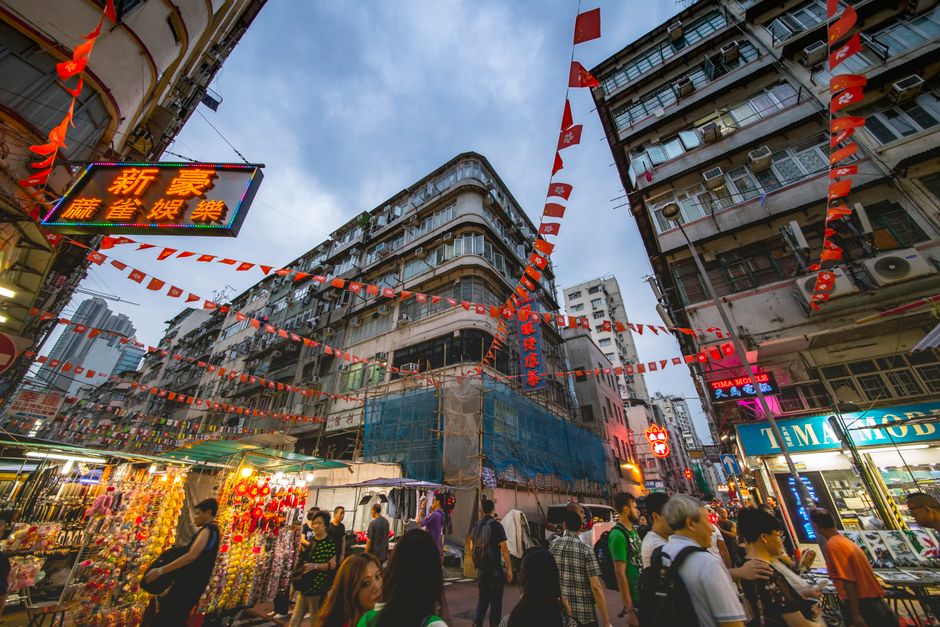
Street food requires confidence but rewards curiosity. Egg waffles from Causeway Bay carts, fish balls from Stanley Main Beach vendors, and stinky tofu from Temple Street Night Market in Mong Kok represent Hong Kong's democratised eating culture. Budget HK$20–50 per item.
Book through OpenRice (Hong Kong's dining bible) or Michelin Guide online rather than turning up cold, especially in Central, Admiralty, and Tsim Sha Tsui. Many restaurants close Mondays or Tuesdays without warning. Tipping isn't customary—a 10 per cent service charge appears automatically on bills.
Finally: embrace Cantonese dining logic. Soups accompany meals, not replace them. Rice comes last. Tea flows constantly. The goal isn't efficiency but conversation across hours. This philosophy—valuing time spent together over speed of consumption—underpins Hong Kong's food culture more than any single dish.
This article was compiled by AI from the sources linked above and screened before publishing. See our editorial standards.