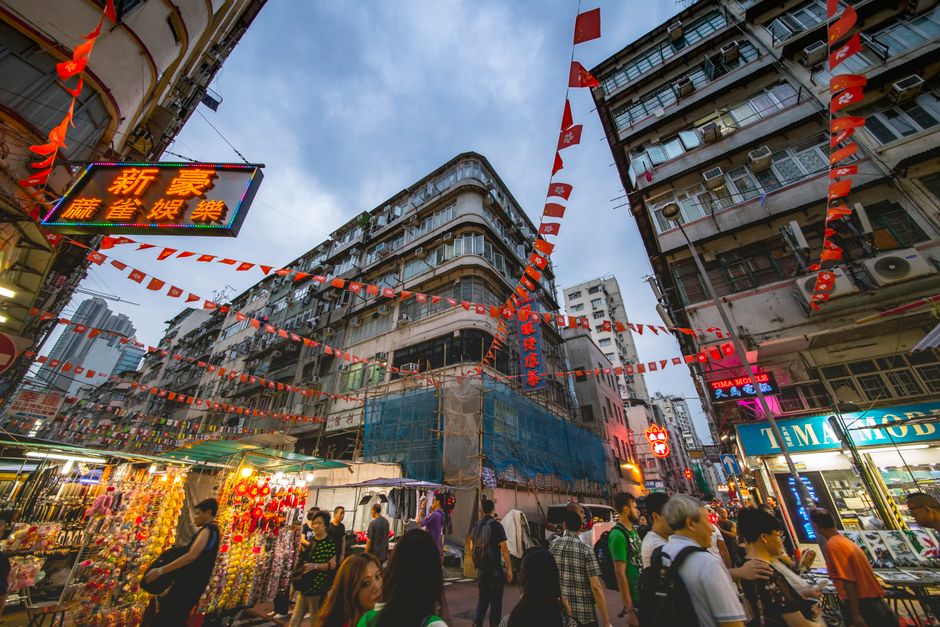
Two decades ago, live music in Hong Kong meant squeezing into cramped venues like Grappa's Cellar or hidden speakeasies tucked behind neon-lit alleyways in Central. Today, the city's concert landscape spans intimate underground spaces in Sham Shui Po, mid-sized theatres like Macau Tower Convention & Exhibition Centre's neighbouring facilities, and major stadiums hosting international acts at the Hong Kong Coliseum and AsiaWorld Expo.
The transformation reflects broader economic and cultural shifts. The early 2000s saw Hong Kong's live scene dominated by cover bands and local Canto-pop artists performing in venues concentrated around Lan Kwai Fong and Wanchai's bar districts. Tickets rarely exceeded HK$200. By the mid-2010s, promoters like Live Nation and AEG began investing heavily in the city, recognising its position as a gateway between Asian and Western markets. Today, international acts command HK$500-3,000+ per ticket, with premium shows frequently selling out weeks in advance.
The 2008 financial crisis initially devastated the sector—many venues closed permanently. Yet it sparked innovation. Independent promoters began operating "pop-up" concerts in non-traditional spaces: art galleries in Sheung Wan, rooftop bars in Causeway Bay, even abandoned industrial buildings in Kowloon. This decentralisation broke the Lan Kwai Fong monopoly and democratised access to live entertainment.
Hong Kong's music venues now number roughly 150 across the territory, according to industry estimates. The underground electronic scene thrives in Mong Kok's cramped clubs; indie rock finds homes in converted warehouses; traditional Chinese music performances occupy concert halls like Tsim Sha Tsui's Hong Kong Cultural Centre. Mid-tier venues like Hidden Agenda in Sheung Wan and Broadway Cinematheque's event space have become incubators for experimental and emerging artists.
The pandemic accelerated digital integration—livestreamed concerts and hybrid events introduced monetisation models that persist today. Post-2023, as travel restrictions eased, international touring resumed with unprecedented intensity. The city now hosts approximately 300-400 major concerts annually, generating an estimated HK$3-4 billion in direct spending.
Yet challenges remain. Venue rents continue rising, particularly in prime locations. Sound regulation in densely-packed residential areas constrains late-night programming. Competition from streaming platforms means promoters must offer experiential value beyond recorded music.
What emerges is a maturing ecosystem: Hong Kong's live scene is no longer a niche entertainment sector but a significant cultural and economic pillar, reflecting the city's enduring appeal as a cosmopolitan hub where global and local cultures converge on stage.
This article was compiled by AI from the sources linked above and screened before publishing. See our editorial standards.