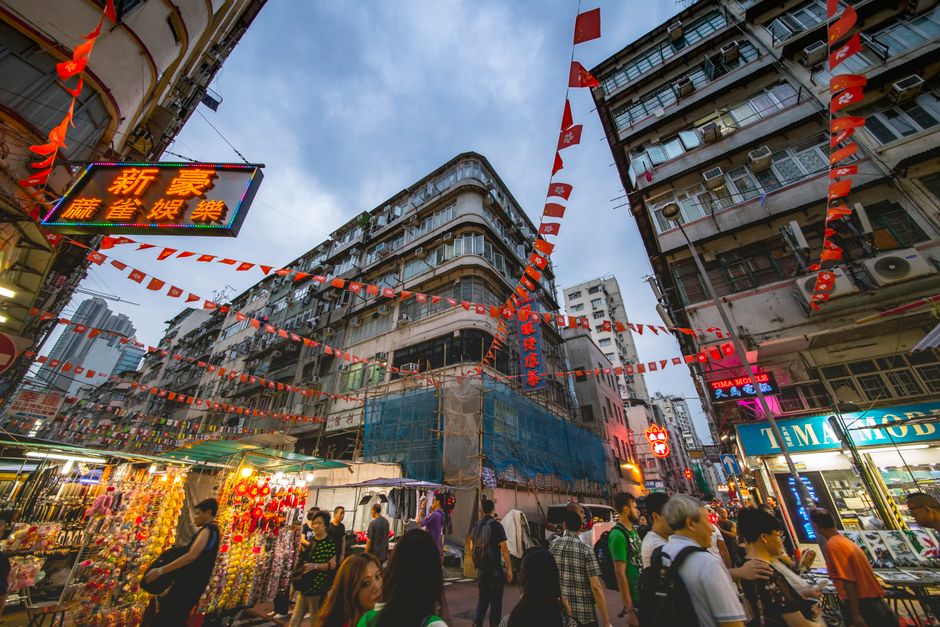
Hong Kong's street art scene has evolved from underground movement to cultural cornerstone. Summer 2026 marks a pivotal moment, with established creative hubs thriving alongside emerging neighbourhood galleries. Here's where to experience the city's most dynamic visual culture.
Sheung Wan's Heritage Lane Transformation
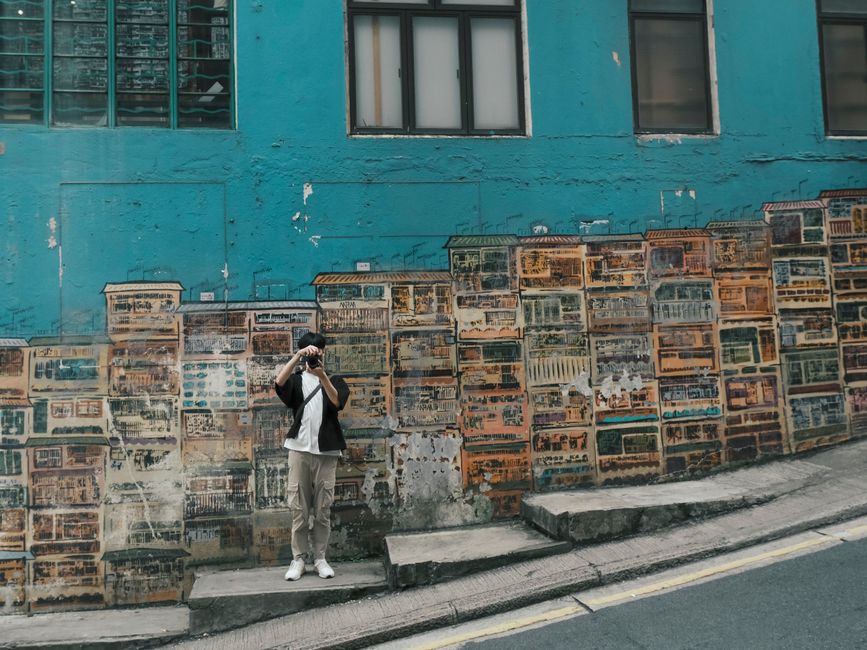
The labyrinth of lanes between Des Voeux Road Central and Hollywood Road has become an open-air gallery. Tai Hang Lane and nearby alleys showcase everything from large-scale murals depicting Hong Kong's maritime history to intimate paste-up works by emerging artists. The area's pedestrian-friendly redevelopment (completed early 2025) has encouraged both commercial galleries and independent creators to activate blank walls. Entry is free; allow 90 minutes to properly explore the interconnected streets.
PMQ: Design's Creative Hub
Hollywood Road's former police headquarters remains essential for serious design enthusiasts. The multi-storey complex hosts 70+ creative studios, with monthly open-studio weekends (next: July 12-13) offering direct access to street artists, graphic designers and installation practitioners. Studios typically charge HK$20-50 entry. The ground-floor gallery rotates quarterly exhibitions focused on typography, urban design and commissioned public art projects.
Sham Shui Po's Grassroots Movement
Beyond its reputation as an electronics district, Sham Shui Po has emerged as a hub for socially-conscious street art. Lane 73 (between Apliu Street and Nam Cheong Street) hosts murals addressing environmental concerns and community identity. Independent collective SCRAP Studios operates here, running weekend workshops (HK$150-300 per session) teaching stencil techniques and mural planning to locals and visitors.
Aberdeen Harbourside Initiative
The waterfront redevelopment has reserved six designated mural walls for rotating artists. The current series (running through September) features work exploring Hong Kong's fishing heritage. Free access; best visited during golden hour for photography.
Practical Information
Most street art is free to view and photograph. Respect working studios by checking opening hours (typically 11am-6pm on weekdays). Summer heat is intense—visit early mornings or late afternoons. Public transport connections via MTR are excellent; Sheung Wan, Central and Sham Shui Po stations provide direct access to major zones.
Hong Kong's creative districts now attract international curators and collectors. While commercial pressures threaten some traditional spots, the community has successfully advocated for legal mural programmes. The city's unique blend of heritage conservation, grassroots activism and contemporary design makes it an increasingly vital global street art destination.
This article was compiled by AI from the sources linked above and screened before publishing. See our editorial standards.