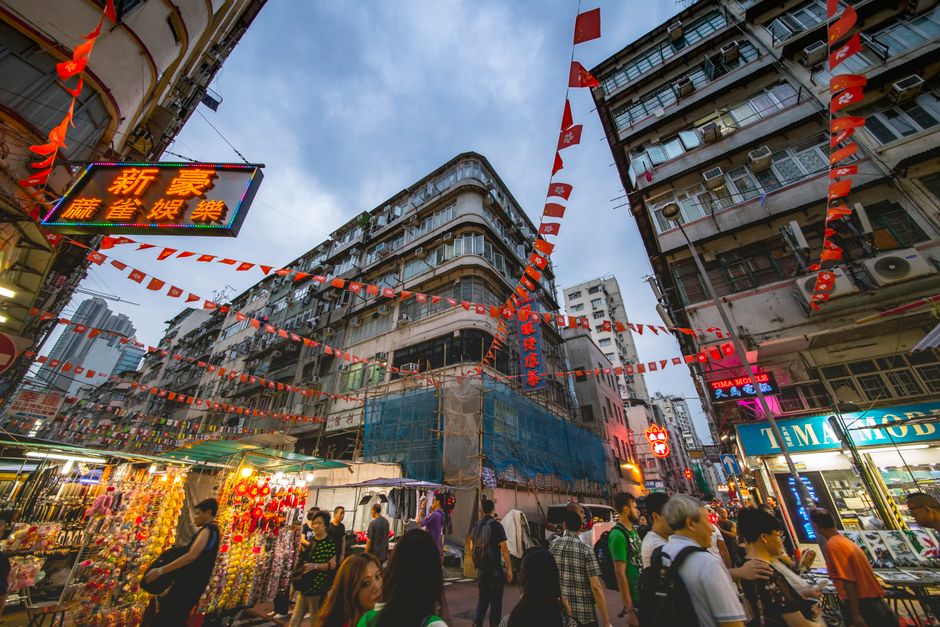
Walk through the narrow laneways of Sheung Wan on a Saturday afternoon and you'll encounter a cultural renaissance that defies Hong Kong's reputation for corporate-controlled aesthetics. Small gallery doors line Wing Lok Street and Gough Street, many run by collectives that didn't exist five years ago. This grassroots movement—driven by artists, curators and community advocates frustrated with traditional gatekeeping—is fundamentally reshaping how Hong Kong engages with visual culture.
The shift reflects broader patterns. According to a 2025 survey by the Hong Kong Arts Development Council, independent and artist-led spaces now account for approximately 34 percent of active exhibition venues across the SAR, up from just 18 percent in 2020. Monthly footfall in neighbourhood galleries in Central and Sheung Wan has increased by 62 percent over the same period, suggesting audiences are actively seeking alternatives to the major museum circuit dominated by the M+ and Hong Kong Museum of Art.
Collectives like those operating from converted industrial spaces in Kowloon City and artist cooperatives in Sham Shui Po are deliberately situating themselves away from high-rent commercial zones. Studio rental in these areas averages HK$40-60 per square foot monthly, compared to HK$100-150 in Central—a difference that allows emerging artists to exhibit and sell work without prohibitive overhead. These spaces function as hybrid venues: part studio, part gallery, part community hub.
What distinguishes this movement isn't merely economics. There's an explicit philosophical push against curatorial gatekeeping. Many collectives operate open submission models, rotating exhibitions monthly rather than following institutional timelines. Some have eliminated entrance fees entirely, placing artworks directly in conversation with foot traffic and neighbourhood life rather than museum-sanctioned contexts.
The community dimension proves crucial. Networks like the Hong Kong Independent Galleries Association, established in 2023, now comprises over 120 member spaces. Regular meetups, shared resources for insurance and logistics, and collective promotional efforts have created infrastructure previously absent. This mutual support system has enabled sustainability without commercial compromise.
Museums haven't ignored the shift. The Hong Kong Museum of Art has expanded its emerging artist programme, and M+ has initiated neighbourhood engagement initiatives. Yet the appeal of independent spaces persists—they offer immediacy, accessibility and curatorial risk that institutions struggle to match.
As Hong Kong's cultural discourse evolves, this decentralised gallery ecosystem signals something beyond aesthetic preference. It reflects a generation asserting agency over how art circulates, who decides what matters, and where culture happens. For a city navigating rapid change, these small galleries have become something larger: spaces where community and culture reinforce one another.
This article was compiled by AI from the sources linked above and screened before publishing. See our editorial standards.