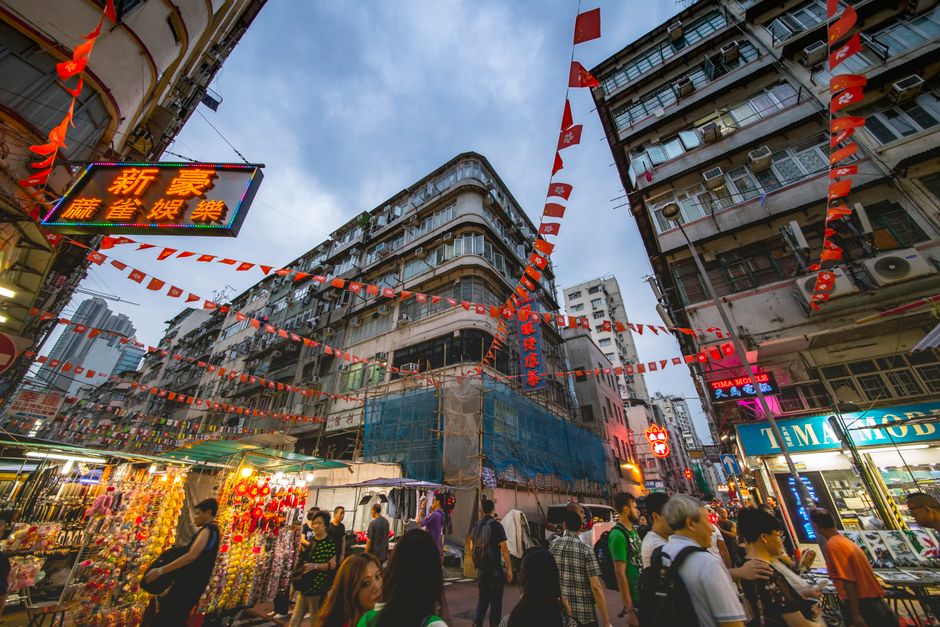
Walk through Central's laneways or Causeway Bay's packed streets this week, and you'll notice something shifting in how Hong Kong eats. The conversation among food-savvy locals has moved decisively away from the relentless hunt for the next Michelin-starred tasting menu and toward something messier, more experimental, and distinctly more affordable.
The catalyst? A convergence of factors. First, the mid-year property softening has forced several premium establishments in Lan Kwai Fong and Soho to recalibrate their pricing. Second, a notable influx of independent chefs from Southeast Asia—particularly Bangkok and Singapore—are opening casual neighbourhood spots in less obvious locations: Sham Shui Po, Sheung Wan, even Tai Koo. These aren't Instagram-optimised fine dining rooms. They're 20-seat noodle bars, fermentation experiments, and family-style shared plates that cost HK$80-150 per person, not HK$800.
The data reflects this shift. According to hospitality consultancy reports circulating among industry contacts, casual dining concepts have seen foot traffic increase 34% quarter-on-quarter across the New Territories, while fine dining reservations in traditional business districts have plateaued. Young professionals—the demographic that once drove the status-symbol dining economy—are increasingly vocal online about wanting substance over spectacle.
What's driving the conversation locally is also generational. Hong Kong's Gen Z diners, now entering the workforce, aren't performing dining experiences for social media the way previous cohorts did. They're prioritising authenticity and value. This has created unexpected winners: wet markets are cool again. Neighbourhood dai pai dong joints in Wong Chuk Hang are packed. The homestyle Cantonese cooking that their grandmothers practiced is being reframed as cultural heritage worth preserving, not something to escape.
Meanwhile, the closure of several mid-range hotel restaurants over the past eight months has created a vacuum that independent operators are filling quickly. Spaces that once housed forgettable buffets are becoming fermentation kitchens, natural wine bars, and noodle shops run by single chefs with obsessive approaches to their craft.
The most telling indicator? Reservations platforms are tracking increased bookings for neighbourhood spots over prestige venues, and local food media—which for years chased celebrity chef openings—is now profiling home cooks and market vendors as cultural figures worth knowing.
Hong Kong's restaurant culture isn't abandoning excellence. It's simply redefining where excellence lives. And right now, locals are finding it in unexpected places.
This article was compiled by AI from the sources linked above and screened before publishing. See our editorial standards.