From Sweatshops to Catwalks: How Hong Kong Became a Fashion Design Powerhouse
Once dismissed as a manufacturing hub, Hong Kong's creative industries have undergone a remarkable transformation, cementing the city's role as a regional design capital.
This article was generated by AI from the linked public sources. The Daily Hong Kong is independently owned and covers Hong Kong news free from advertiser or sponsor influence. Read our editorial standards →
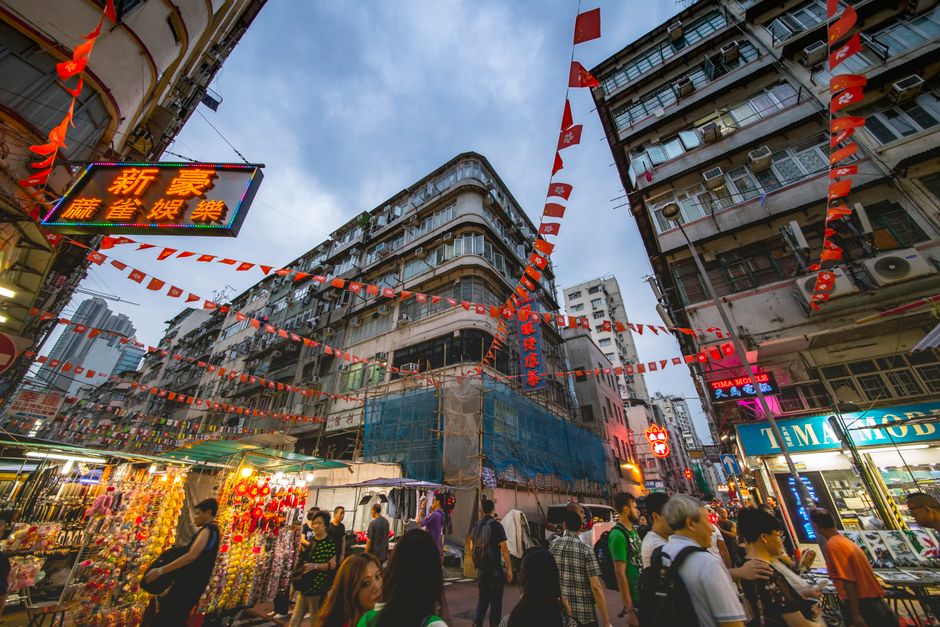
Three decades ago, Hong Kong's fashion identity was defined by bustling fabric markets in Mong Kok and windowless factories churning out garments for Western brands. Today, the narrative has fundamentally shifted. The city has evolved from a pure production economy into a vibrant ecosystem of homegrown designers, boutique labels, and creative studios that command respect on international runways.
The turning point came in the 1990s, when rising labour costs forced manufacturers to relocate production across the border to mainland China. Rather than fade into irrelevance, Hong Kong's creative class pivoted. Young designers who had grown up in the industry began launching their own lines, leveraging the city's infrastructure, international connections, and unmatched logistics networks. By the early 2000s, SoHo in Central and PMQ (formerly the Police Married Quarters) in Prince Edward had emerged as creative hubs, attracting emerging talent and galleries.
The establishment of Asia Fashion Week in 2014, held at Hong Kong Convention and Exhibition Centre, represented official recognition of this transformation. The biannual event now attracts over 2,000 industry professionals annually. Simultaneously, independent boutiques proliferated across neighbourhoods like Causeway Bay and Wan Chai, with rents ranging from HK$50,000 to HK$150,000 monthly for modest storefronts—premium pricing that reflects the city's desirability as a retail destination.
Today, Hong Kong's creative industries contribute approximately HK$33 billion annually to the local economy, according to government statistics, with fashion and design representing a significant portion. The city has produced internationally recognised designers whose collections appear in luxury department stores from London to Tokyo. Fashion weeks now coexist with design markets on Granville Road and Temple Street, where independent creators sell directly to consumers.
The pandemic accelerated digitalisation, pushing many designers toward e-commerce and virtual showcases. Yet Hong Kong's fashion ecosystem remains fundamentally rooted in its physical geography—the proximity to manufacturing in Shenzhen, the density of creative talent, and the city's status as a global shipping hub continue to provide competitive advantages.
What distinguishes Hong Kong's journey is not merely economic reinvention, but cultural reclamation. The city has transformed from being known for producing others' designs into proudly claiming its own creative identity. For a generation of designers now launching labels from studio spaces in Ap Lei Chau and Kennedy Town, this represents more than commercial opportunity—it reflects Hong Kong's enduring capacity to reimagine itself on the global stage.
This article was compiled by AI from the sources linked above and screened before publishing. See our editorial standards.
Covering culture in Hong Kong. This article was generated by AI from the linked sources and was not reviewed by a human editor before publishing. See our editorial standards.