Walk down Upper Lascar Row in Sheung Wan on a weekend afternoon, and you'll encounter something that wouldn't have seemed possible a decade ago: queues of locals lined up outside independent art galleries, their phones capturing installations that have nothing to do with luxury consumption or investment portfolios.
Hong Kong's gallery scene has undergone a quiet but seismic shift. While the city remains home to mega-galleries like Gagosian and White Cube—whose presence on Central's gallery-dense streets signals its place in the global art market—a more complex creative ecosystem is now defining what it means to be culturally Hong Kong in 2026.
The M+ museum in West Kowloon, which has become the de facto landmark of Hong Kong's cultural ambition since its 2021 opening, continues to draw 1.3 million visitors annually. But it's the smaller institutional players that are fundamentally reshaping local cultural identity. The Artisserie in Sheung Wan and Para Site in Kowloon have moved beyond exhibition spaces into laboratories for discussing Hong Kong's complicated present—hosting everything from diaspora documentation projects to conversations about architectural memory and urban displacement.
What's particularly striking is the democratisation of access. Gallery crawls that once catered to collectors now attract design students, office workers, and families. Many venues charge no admission or keep entry at under HK$50, a radical departure from the assumption that contemporary art exists only for elites. Galleries on Cat Street in Central have become pilgrimage sites for those seeking alternative perspectives on Hong Kong identity—less about the gleaming skyline, more about street-level stories.
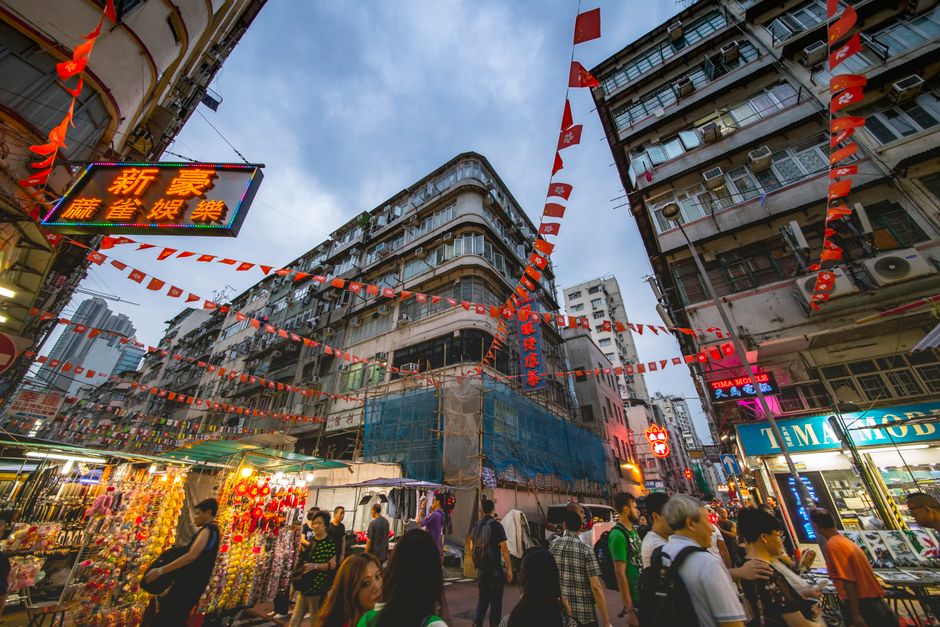
The neighbourhood transformation tells its own narrative. Police officers converted into artist communities, wet markets now neighbour minimalist white-cube galleries, and old printing factories house collectives exploring Cantonese performance traditions alongside digital art installations. This collision of old and new isn't accidental—it's become the visual language through which Hong Kong talks about itself.
What's emerging is a city less preoccupied with art as asset, and increasingly concerned with art as conversation. Galleries have become venues where questions about identity, belonging, and future possibilities can actually be staged and debated. In a metropolis once defined entirely by its financial machinery, that represents a fundamental shift in how Hong Kong understands itself.
The numbers tell part of the story: gallery visitation across Hong Kong's independent and institutional spaces reached an estimated 4.2 million in 2025. But the real indicator of cultural repositioning isn't footfall—it's what locals are saying about their own city when they walk back out onto those transformed streets.
This article was compiled by AI from the sources linked above and screened before publishing. See our editorial standards.