This article was generated by AI from the linked public sources. The Daily Hong Kong is independently owned and covers Hong Kong news free from advertiser or sponsor influence. Read our editorial standards →
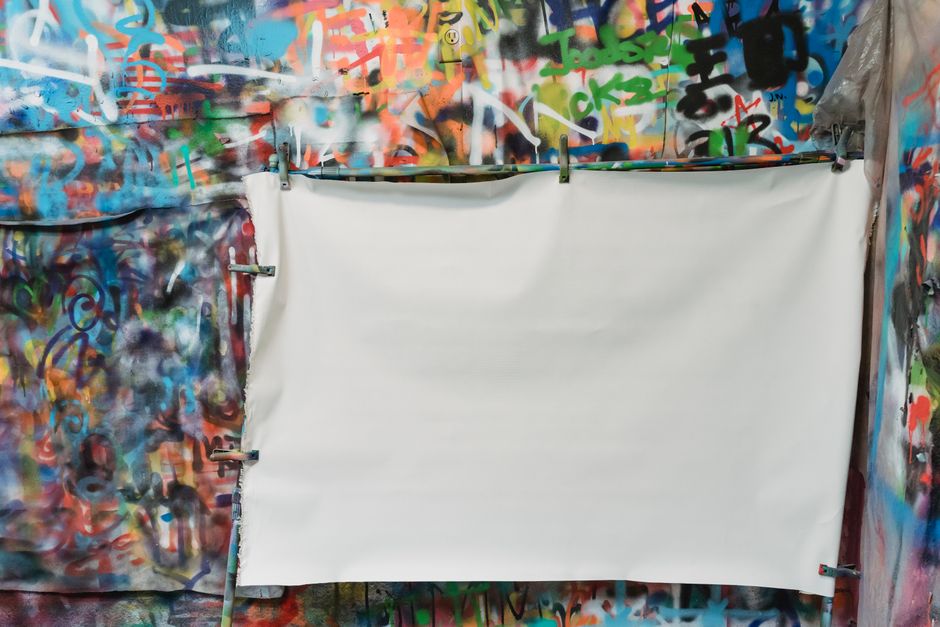
Walk through Fotan on a Saturday morning and you'll encounter a landscape transformed. What five years ago was industrial wasteland—abandoned factories, peeling render, graffiti born of frustration rather than vision—has become Hong Kong's most energised creative quarter. Yet this metamorphosis didn't happen by accident, nor did it arrive gift-wrapped by developers. It emerged from the determined vision of a small community of artists, architects and activists who saw potential where others saw only decay.
The catalyst came in 2021 when Fotanian Arts Group, a grassroots collective of painters and designers, began systematically engaging property owners in the district. Their pitch was simple: allow us to activate your walls, and your neighbourhood becomes destination. Today, Fotan attracts roughly 12,000 monthly visitors, according to local business surveys. Rents have climbed 18 per cent in two years—a double-edged sword that delights landlords and worries community advocates.
Similar stories unspooled across Sheung Wan's Cat Street and Sham Shui Po's artist enclaves. In Sham Shui Po particularly, where studio rents hover around HK$4,000–6,000 monthly for modest 300-square-foot spaces, a coalition of painters established the legendary "Neon Dreams" corridor on Yen Chow Street in 2022. The project required months of negotiation with aged building owners, many of whom had never contemplated their properties as canvases.
What distinguishes Hong Kong's street art districts from those in other global cities is their institutional support. The Arts Development Council has allocated HK$3.2 million since 2023 to grassroots mural programmes. More significantly, the Urban Renewal Authority has shifted policy, now reserving 15 per cent of renovation budgets for public art installation—a landmark decision that legitimised what was once marginal.
Yet tension persists. As Instagram-worthy murals multiply, questions resurface about authenticity and access. Rising property values inevitably displace the experimental artists who made these neighbourhoods viable in the first place. Several pioneering Fotan painters have already relocated to less fashionable districts like Tuen Mun, seeking cheaper studios and freedom from the curated aesthetic that now dominates their former neighbourhood.
Still, the movement endures. Young art school graduates continue emerging with spray cans and vision. Community organisations coordinate public painting days. Teenagers document murals on social media, creating organic archives of their cities' evolving identity. The story of Hong Kong's street art isn't one of finished transformation but of ongoing negotiation—between commerce and creativity, preservation and progress, community roots and cultural ambition.
This article was compiled by AI from the sources linked above and screened before publishing. See our editorial standards.
Covering culture in Hong Kong. This article was generated by AI from the linked sources and was not reviewed by a human editor before publishing. See our editorial standards.