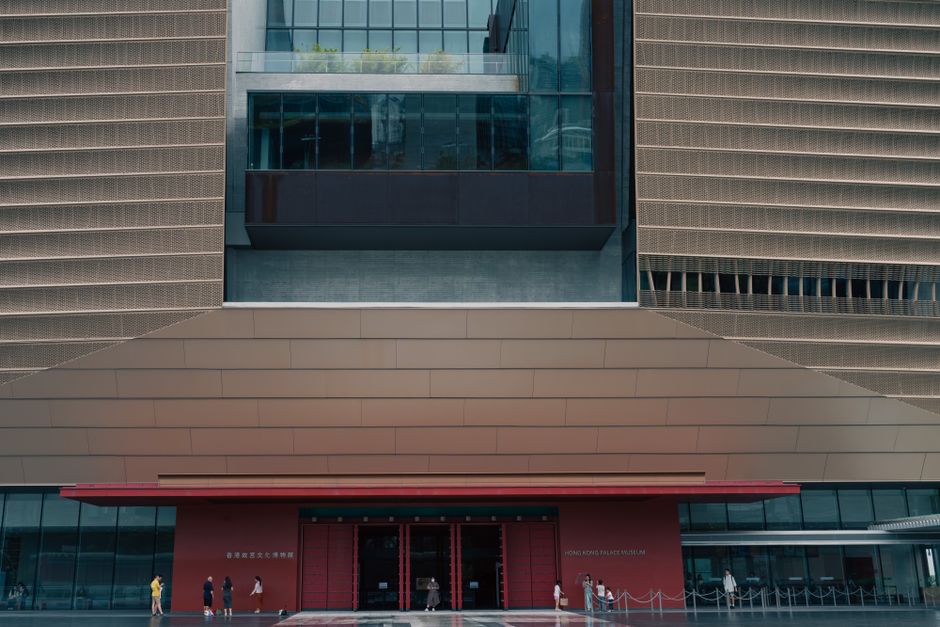
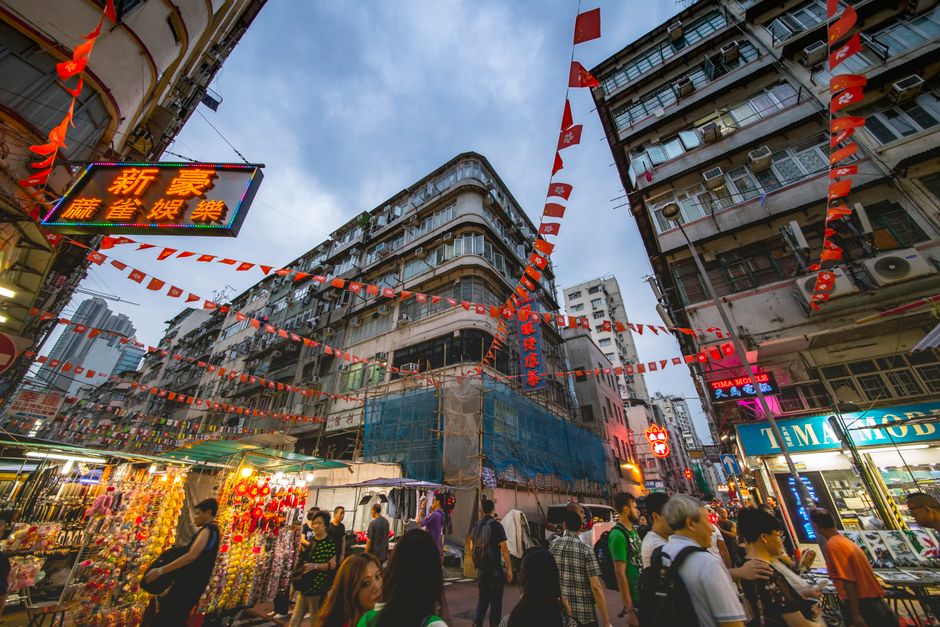
Walk through Sham Shui Po on any weekend afternoon and you'll spot them: young professionals with cameras and older residents with faded photographs, clustered outside century-old shophouses scheduled for demolition. This scene has become emblematic of a broader cultural awakening sweeping Hong Kong as locals grapple with rapid transformation and the erosion of tangible heritage.
The catalyst is concrete. Over the past eighteen months, at least seven significant heritage buildings in districts including Mong Kok, Wan Chai, and Causeway Bay have entered redevelopment pipelines. The Queen's Road Central shophouses—some dating to the 1920s—and the former industrial warehouses along Tung Choi Street have triggered widespread community documentation projects. Local heritage groups report a 340% increase in archival submissions since early 2025, according to the Hong Kong Heritage Conservation Foundation.
What's striking is who's driving this. The Sheung Wan Collective, a volunteer network that barely existed three years ago, now coordinates monthly "memory-mapping" walks, attracting 150-200 participants. Meanwhile, established institutions like the Hong Kong Museum of History have expanded their oral history programme, with waiting lists extending months ahead. The Lanes Project, a student-led initiative from the University of Hong Kong, has digitised over 800 hours of interviews with residents of disappearing neighbourhoods.
The financial stakes underscore the urgency. Heritage preservation has become genuinely competitive. The Urban Renewal Authority's proposed redevelopment of the Kowloon City walled neighbourhood promises HK$12 billion in revenue—yet also threatens to erase one of Asia's most architecturally distinctive communities. Public consultation periods, once perfunctory, now draw hundreds. The June community forum on the Tai Kok Tsui waterfront attracted over 800 residents.
Culturally, this moment reflects deeper anxieties about identity. Hong Kong's self-image has always pivoted on modernity and dynamism, yet younger residents increasingly express nostalgia for pre-1997 streetscapes, dai pai dong food stalls, and the visual texture of older neighbourhoods. Social media has amplified this: the hashtag #HKHeritageMatters has accumulated 2.3 million posts since April.
The government has responded unevenly. The Heritage Impact Assessment framework, introduced last year, provides some protection, yet demolition timelines often outpace bureaucratic processes. Meanwhile, private developers face mounting pressure—though consequences remain largely reputational rather than regulatory.
What emerges is a Hong Kong caught between futures: one that preserves memory, another that prioritises development. For now, locals are choosing action. Heritage has become how Hongkongers talk about belonging.
This article was compiled by AI from the sources linked above and screened before publishing. See our editorial standards.