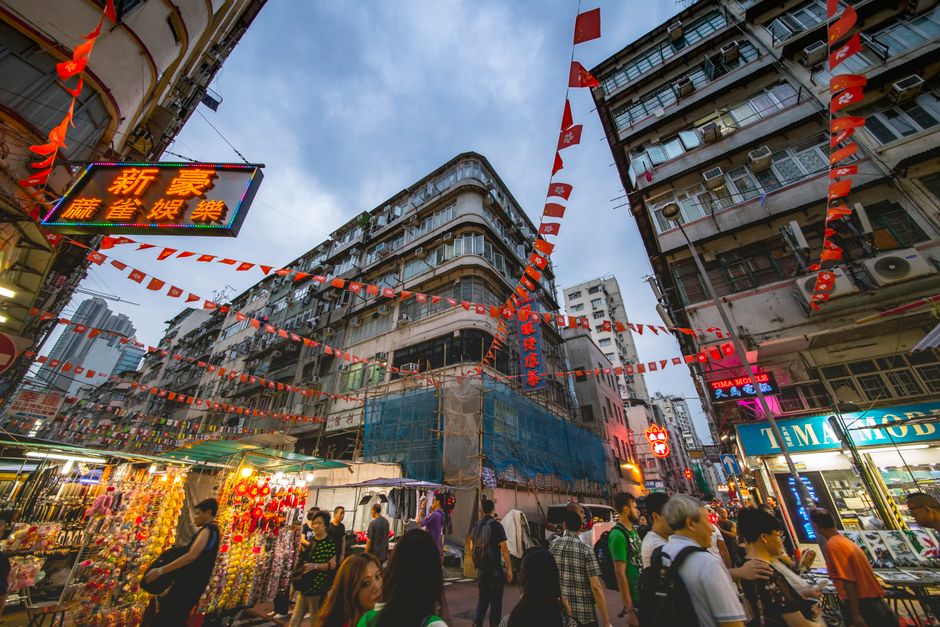
Walk down Tai Hang Road in Causeway Bay on a Friday night and you'll notice something has shifted. The queues that once snaked around Michelin-starred flagships now form outside scrappy neighbourhood bistros and family-run dim sum parlours. This isn't nostalgia—it's a fundamental recalibration of Hong Kong's dining culture.
After three years of post-pandemic recovery, the city's restaurant sector faces an unexpected reckoning. Commercial rents in Central have climbed 18 percent since 2024, forcing established venues to either relocate or shutter. Meanwhile, locals have discovered that some of the city's most compelling food experiences are happening in less fashionable pockets: Sai Ying Pun's regenerated wet market district, the emerging Cantonese-Vietnamese fusion corridor around Sheung Wan's backstreets, and Kowloon City's persistent reputation as an informal food laboratory.
The data tells the story. According to the Hong Kong Tourism Board, independent restaurants now account for 34 percent of dining establishments, up from 26 percent in 2023. Price-conscious locals are rotating away from the $400-600 fine dining meal toward the $80-120 neighbourhood lunch counter, where a roasted pigeon with jasmine rice still costs less than a cocktail in Central.
What's driving this shift? Partly practical—the average household spends 12 percent more on food now than two years ago—but also cultural. A new generation of chefs trained abroad is returning to Hong Kong with ambitions that don't require Michelin validation or Instagram perfection. They're opening casual spots in Sham Shui Po and North Point, treating fermentation, nose-to-tail cooking, and seasonal eating as everyday practices rather than luxury markers.
The conversation online reflects this change. Food bloggers with massive followings are now documenting $35 hand-pulled noodle bowls in Mong Kok with the same reverence once reserved for omakase seatings. The city's most discussed openings lately aren't high-concept restaurants but neighbourhood wine bars and late-night dai pai dong (open-air food stall) revivals.
This democratisation of Hong Kong's dining narrative doesn't mean fine dining is finished. Rather, the hierarchy has flattened. A meal in Wan Chai's residential streets can now compete with anything in Tsim Sha Tsui, not because it's cheaper, but because the food itself—rooted in community, experiment, and genuine hospitality—finally feels more relevant to how Hongkongers actually want to eat. The question isn't where to spend the most money anymore. It's where to find what's real.
This article was compiled by AI from the sources linked above and screened before publishing. See our editorial standards.