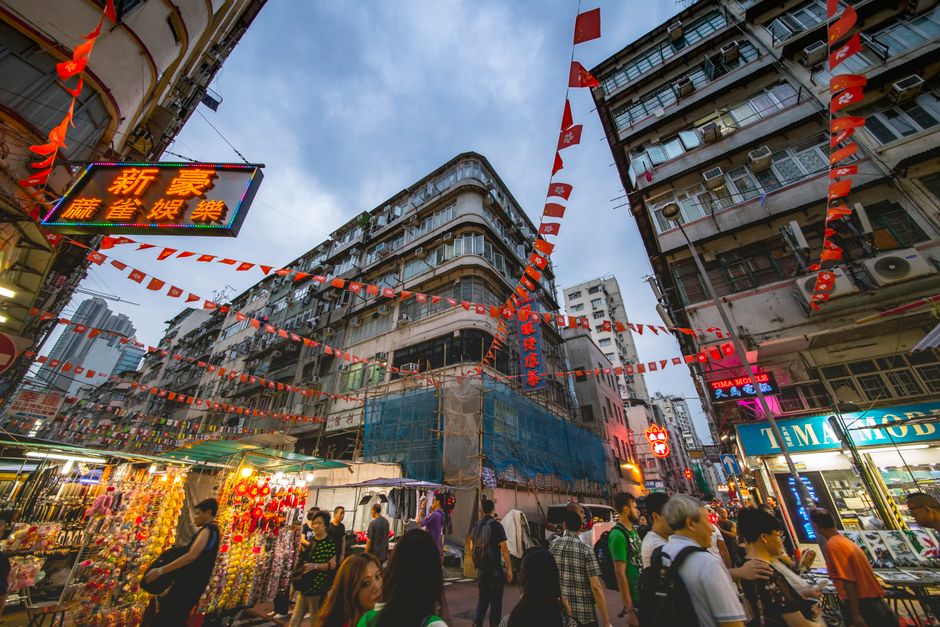
Hong Kong's restaurant landscape has undergone a quiet revolution over the past eighteen months. While global headlines fixate on geopolitical tremors, the city's food culture continues its own steady evolution—one that rewards both tradition-seekers and adventurous diners willing to venture beyond Central's tourist corridors.
Start in Central's back lanes, where dai pai dong operators have become unlikely cultural custodians. Stalls around the Man Mo Temple vicinity still serve authentic wonton noodles for under HK$60, but increasingly compete with artisanal hawkers emphasising provenance and technique. The morning dim sum scene remains unmatched: arrive at City Hall's ground floor by 10am if you want a table without reserving days ahead.
Causeway Bay has transformed since last year. Jardine's Bazaar, long overshadowed by shopping crowds, now hosts a growing cluster of young chefs operating pop-up ventures and semi-permanent stalls. Expect creative takes on traditional dishes—aged-duck congee, premium fish ball soups—priced between HK$80-150 per dish. It's become the neighbourhood where Hong Kong's culinary conversation actually happens.
For elevated Cantonese, Sheung Wan remains the epicentre. The district's narrow streets between Des Voeux Road and the waterfront concentrate perhaps the city's highest density of serious restaurants. Mid-range establishments charging HK$400-800 per person for banquet menus now regularly compete with fine-dining institutions on technique and ingredient sourcing.
Don't overlook Sham Shui Po, where wholesale food markets and family-run noodle shops create an authentic, unvarnished snapshot of working Hong Kong. The 40-year-old establishments here—serving beef brisket noodles, clay pot rice, traditional Hakka fare—represent culinary experiences increasingly difficult to find elsewhere in Asia's financial centres.
Molecular gastronomy still exists here, but 2026's trend is decidedly retro-revivalist. Chefs are mining their grandmothers' recipe books, upgrading ingredients and technique while preserving essential character. This isn't nostalgia tourism; it's recognition that Hong Kong's greatest culinary asset remains its hyper-local, deeply rooted food culture.
Practical note: most neighbourhood restaurants close by 10pm. Peak dim sum hours run 10am-1pm on weekends. Booking ahead—even for casual spots—has become standard practice. English menus are increasingly available in tourist areas, but speaking Cantonese opens doors to more authentic venues throughout the New Territories and Kowloon's residential neighbourhoods.
The best local experience right now? Abandon the guidebook expectation. Let hunger and neighbourhood wanderlust guide you through any residential area—Wan Chai's alleys, Mong Kok's side streets, North Point's family quarters. Hong Kong's food culture rewards curiosity over itinerary.
This article was compiled by AI from the sources linked above and screened before publishing. See our editorial standards.