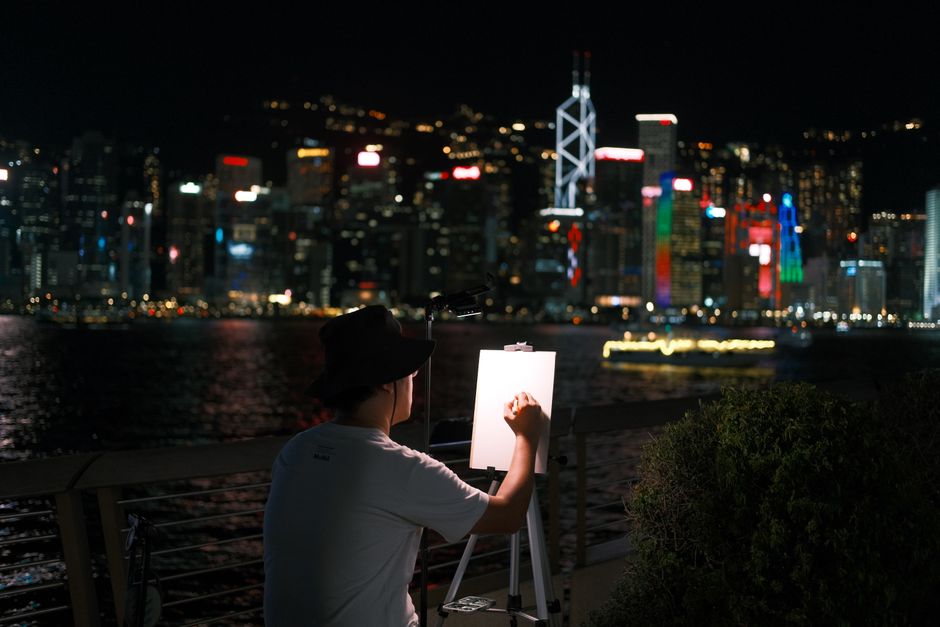
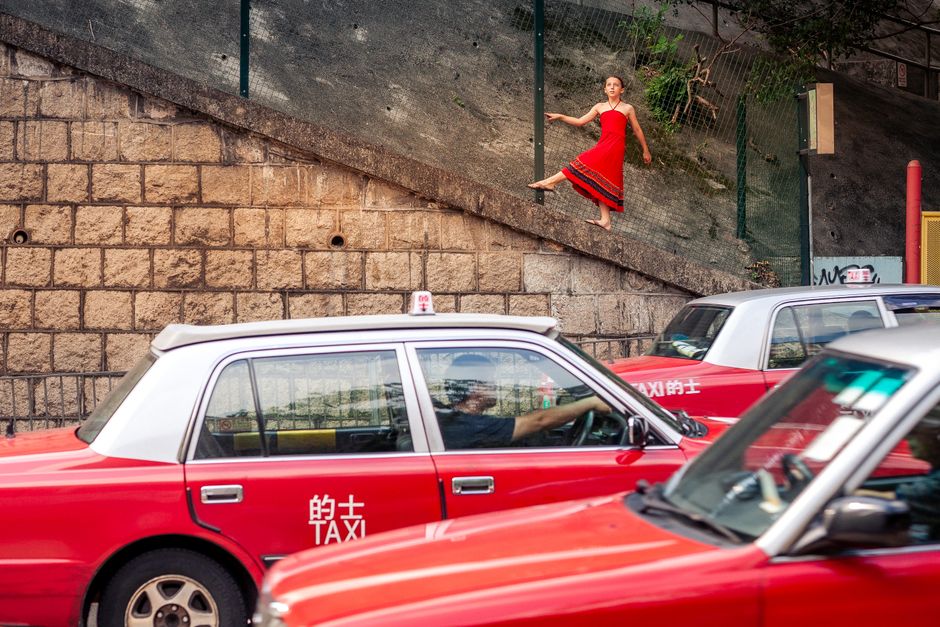
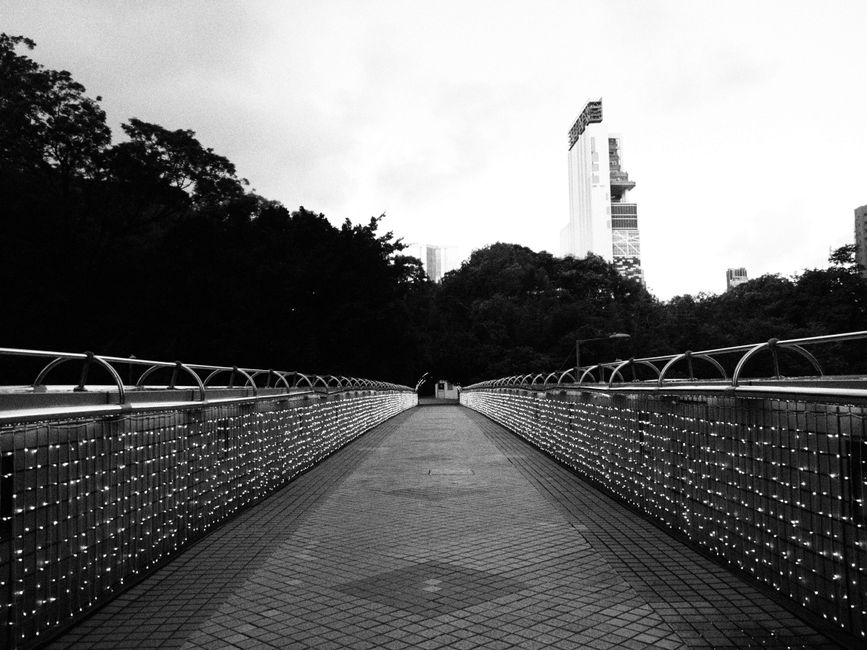
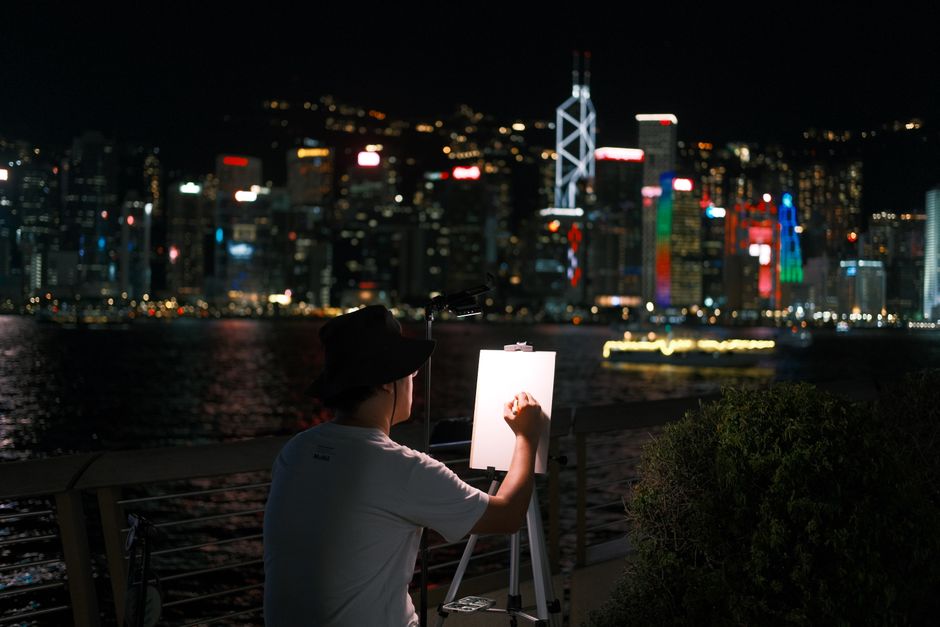
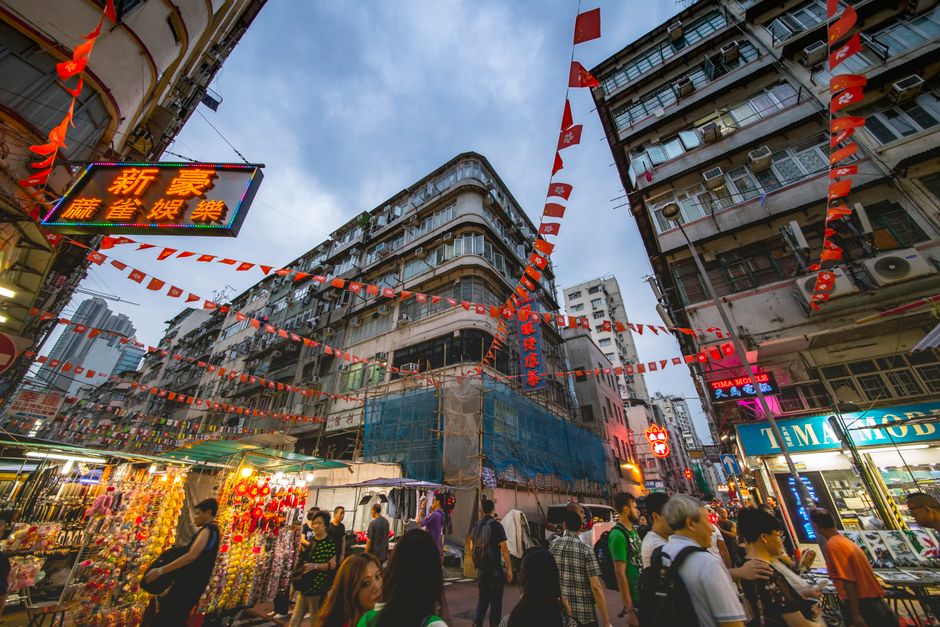
Walk through Central on any Saturday afternoon and you'll witness a cultural pivot that would have seemed unlikely a decade ago. The narrow laneways between skyscrapers—once dominated by investment banks and luxury boutiques—now pulse with gallery openings, artist talks, and the kind of creative energy that traditionally belonged to cities like Berlin or Seoul.
This shift reflects something deeper than real estate trends. Hong Kong's thriving gallery scene, concentrated in districts from Central to Wong Chuk Hang, has become the city's most visible statement about who it wants to be. With over 130 commercial galleries and a growing museum sector, the art world here has become a counterweight to the financial establishment that has long defined the city's global reputation.
The M+ museum in West Kowloon, which welcomed 1.2 million visitors in its first full year, epitomises this transformation. By focusing on visual culture from the 20th century onward, M+ positions Hong Kong as a interpreter of Asian modernity rather than merely a trading hub. Nearby, the Hong Kong Palace Museum attracts culture-conscious visitors seeking connection to heritage that feels increasingly complex and contested.
What makes Hong Kong's current moment distinctive is how galleries operate across fractured spaces. Galleries cluster on Gage Street and around Cat Street in Central, while Wong Chuk Hang has emerged as an alternative hub where artist studios and independent galleries occupy converted industrial buildings. This distributed model mirrors Hong Kong's own fragmented identity—geographically split, culturally layered, constantly negotiating between global influences and local roots.
The market data tells a story too. Hong Kong's contemporary art sales reached approximately $4.1 billion in 2024, according to Art Basel and UBS's annual report, positioning the city among the world's top five art markets. Yet unlike New York or London, Hong Kong's scene remains less about investment speculation and more about genuine curatorial ambition.
Local galleries are increasingly featuring Hong Kong and regional artists alongside international names. This isn't tokenism—it reflects a conscious effort to assert that creativity here matters beyond the city's service economy. Young artists who might once have fled to London or New York now see viable careers at home.
Museums and galleries have become where Hong Kong goes to ask itself existential questions. In a city of 7.5 million squeezed into limited space, cultural institutions offer something scarcer than real estate: permission to slow down and think. That's become the truest measure of Hong Kong's cultural identity—not what it produces for export, but what it creates for itself.
This article was compiled by AI from the sources linked above and screened before publishing. See our editorial standards.