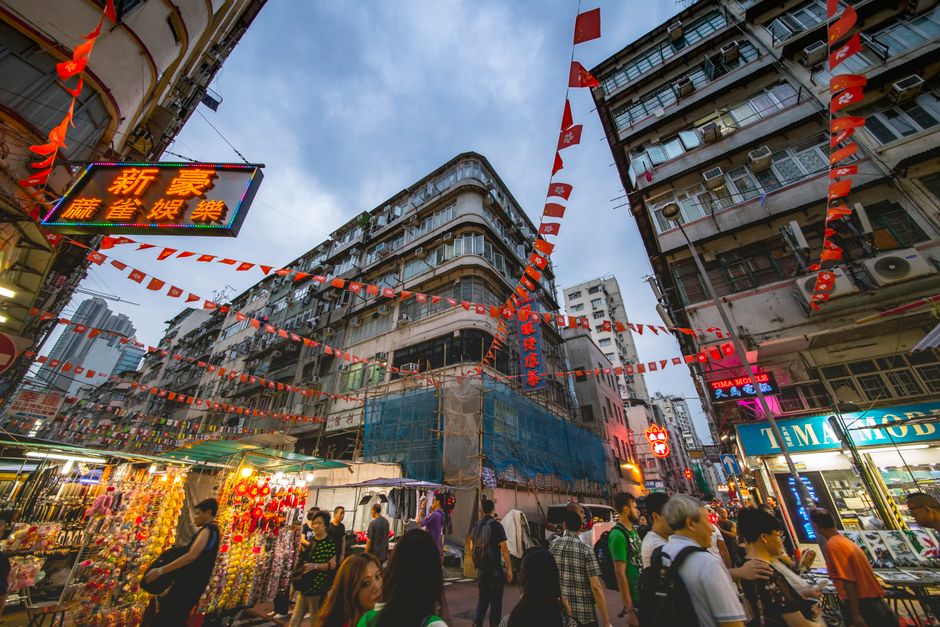
Walk down the narrow lanes of Sheung Wan on any Saturday afternoon and you'll encounter a different Hong Kong than the one tourists photograph. Between the traditional Chinese medicine shops and antique dealers, independent galleries have quietly multiplied—artist-run spaces operating from modest shopfronts, their windows displaying work that rarely finds its way into the city's major institutions.
This grassroots movement represents a fundamental shift in how Hong Kong's creative communities are organising themselves. Rather than waiting for invitations from the M+ or Hong Kong Museum of Art, a growing network of independent curators, emerging artists and cultural advocates have spent the past five years building an alternative ecosystem that now rivals established venues in cultural influence.
The numbers tell the story. According to Arts Development Council data, self-organised and non-profit art spaces in Hong Kong increased from approximately 40 registered entities in 2019 to over 140 by 2025. Many operate in the industrial-turned-creative districts of Wong Chuk Hang and Ap Lei Chau, where rental costs remain manageable compared to Central's premium rates—typically HK$15,000-30,000 monthly for modest gallery spaces versus HK$60,000+ in the CBD.
What distinguishes this movement isn't merely economic pragmatism. These collectives have deliberately positioned themselves as alternative voices, prioritising experimental work, local emerging artists and community engagement over the blockbuster model. Many operate on sliding-scale or pay-what-you-wish entry, conscious that contemporary art in Hong Kong has historically felt exclusionary to working-class residents.
The impact extends beyond gallery walls. Artist collectives have begun organising their own fair circuits, bypassing traditional commercial art fairs. Last year's independent Art Week saw over 60 self-organised venues participate—from Causeway Bay's converted warehouses to intimate studio spaces in Sham Shui Po—attracting younger audiences previously disengaged from the formal museum sector.
Institutional responses have shifted accordingly. Major museums now regularly collaborate with grassroots organisations on exhibitions and programming, acknowledging that cultural relevance increasingly flows from community-led initiatives rather than top-down curation. The M+ has expanded its emerging artist residency programme and now scouts talent directly from independent spaces.
For Hong Kong's creative communities, this represents a reclamation of cultural authority. After years of feeling overshadowed by international art capitals and constrained by commercial pressures, independent operators have proven that meaningful artistic discourse thrives when communities lead the conversation—not when institutions dictate it.
The movement remains precarious, vulnerable to rising rents and regulatory pressures. Yet its momentum suggests something permanent has shifted in Hong Kong's cultural consciousness.
This article was compiled by AI from the sources linked above and screened before publishing. See our editorial standards.