From Dai Pai Dong to Design Districts: How Hong Kong's Food Scene is Redefining the City's Creative Soul
As traditional hawker culture collides with experimental fine dining, restaurants and bars have become the unlikely frontline of Hong Kong's cultural resistance and reinvention.
This article was generated by AI from the linked public sources. The Daily Hong Kong is independently owned and covers Hong Kong news free from advertiser or sponsor influence. Read our editorial standards →
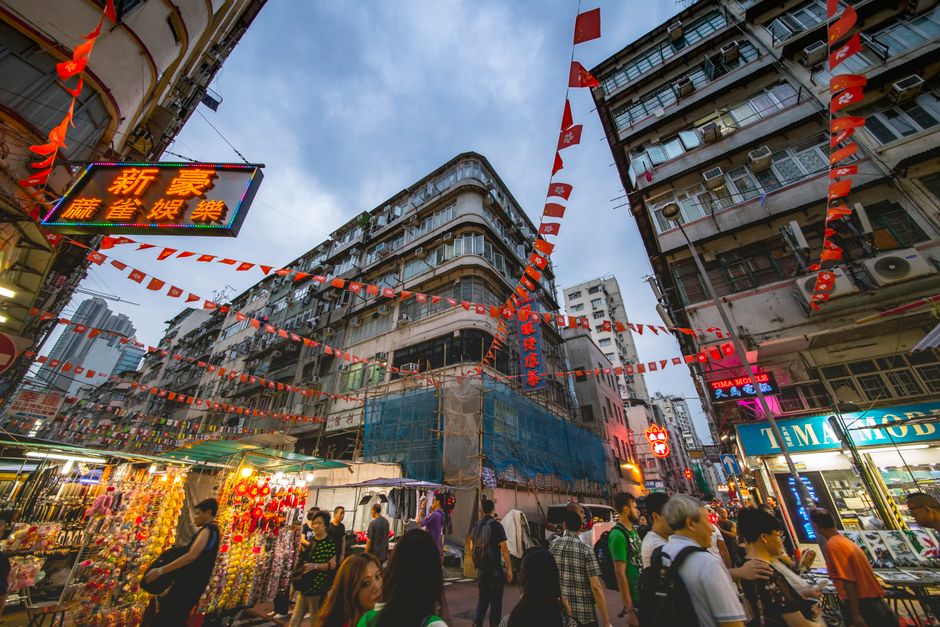
Walk through Central's narrow laneways on any given evening and you'll witness something quietly profound: Hong Kong is eating and drinking its way towards a new identity. The city's restaurant and bar culture—once merely a backdrop to business deals and family dinners—has quietly emerged as the primary canvas for how Hong Kong articulates its creative values in 2026.
The transformation is visible in every neighbourhood. In Sheung Wan, century-old dai pai dong stalls now sit metres from minimalist cocktail bars where bartenders treat each drink like a research project. On Gough Street in Soho, Chef-led restaurants have become de facto cultural institutions, with menus that function as multilingual love letters to Hong Kong's layered identity. The city's food culture, once dominated by efficiency and authenticity, now celebrates hybridity—a reflection of how Hongkongers themselves navigate their rapidly shifting world.
What makes this shift particularly significant is its democratisation. While fine dining establishments in areas like Wan Chai command premium prices—fine dining experiences now averaging HK$800-1,500 per person—the real cultural energy pulses through more accessible spaces. Neighbourhood ramen joints in Mong Kok, the proliferation of third-wave coffee culture in Wong Chuk Hang, and the resurrection of traditional Cantonese dim sum houses as social gathering spots have transformed eating into an act of cultural participation rather than mere sustenance.
The bar scene tells an equally compelling story. Hong Kong's bartending community—now recognised internationally—has established a distinctive voice distinct from London or Tokyo. Venues clustered around Aberdeen Street and D'Aguilar Street have become spaces where young creatives congregate, where experimental concepts are tested, and where ideas about what Hong Kong culture could become are actively shaped over drinks.
Local cultural organisations have taken notice. The role of independent restaurants and bars as community anchors has become central to discussions about preserving cultural memory while embracing innovation. These spaces function as informal galleries, performance venues, and forums where identity questions are continuously negotiated.
As external pressures reshape Hong Kong's landscape, its food and drinking establishments have become something unexpected: sanctuaries of creative expression and identity-building. They're where Hongkongers gather not just to eat, but to imagine—and perform—who they are becoming.
This article was compiled by AI from the sources linked above and screened before publishing. See our editorial standards.
Covering culture in Hong Kong. This article was generated by AI from the linked sources and was not reviewed by a human editor before publishing. See our editorial standards.