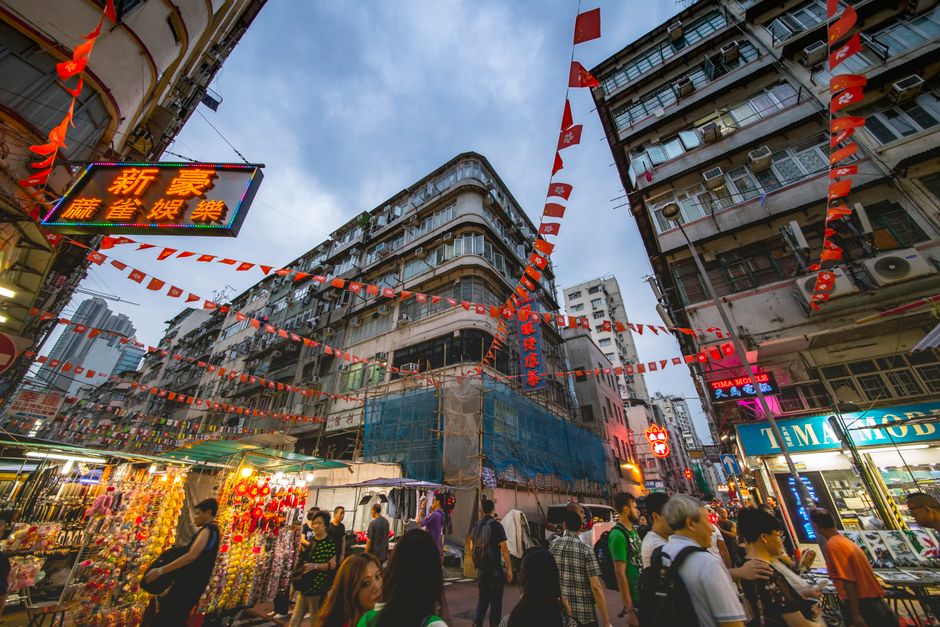
Walk down the narrow laneways of Ap Lei Chau today, and you'll see them: heritage textile warehouses converted into design studios, their corrugated metal doors hiding young Hong Kong designers sketching the next season's collections. It's a far cry from the 1970s and 80s, when this island—connected by a single bridge to Aberdeen—hummed with the sound of ten thousand sewing machines stitching garments for international brands. Yet this transformation tells the story of Hong Kong's entire creative evolution.
The city's fashion pedigree runs deep. In the mid-twentieth century, Hong Kong manufactured roughly 40% of the world's garments, earning its nickname as the "Manchester of the East." Wholesalers clustered around Pedder Building in Central, while production sprawled across Kwun Tong's industrial warrens. The infrastructure was unmatched: fast turnarounds, reliable quality, lower costs. But by the 1990s, labour-intensive manufacturing had migrated to mainland China and beyond, forcing a reckoning.
The creative industries pivot began in earnest around 2005. The government introduced initiatives like the Creative Hong Kong microfund, providing grants to emerging designers. Venues like PMQ (the former Police Married Quarters in Central) opened in 2014, offering affordable studio space and retail outlets. Today, the complex houses over 100 creative tenants, from fashion labels to ceramicists, drawing tens of thousands of visitors annually.
Districts transformed accordingly. Sheung Wan's Cat Street evolved from an antiques alley into a boutique fashion destination, with independent labels like local favourites now occupying heritage shopfronts. Meanwhile, Wong Chuk Hang's industrial buildings became incubators for fashion weeks and design studios, hosting the biannual Hong Kong Fashion Week—now in its 27th edition—which attracts buyers from 40 countries.
The numbers tell a story of maturation. Hong Kong's creative industries now contribute approximately HK$150 billion to GDP annually, employing over 200,000 people. Fashion design, while smaller than film or advertising, has grown notably: the number of registered fashion design businesses nearly doubled between 2010 and 2023.
Yet challenges persist. Rising rents in PMQ and Sheung Wan squeeze smaller designers. Young creatives often cite high production costs and limited local manufacturing capacity as barriers. Many have moved production to Thailand or Vietnam, echoing their predecessors' migration patterns.
Still, the resilience is undeniable. Hong Kong's fashion scene now celebrates hybridity: designers blending heritage craftsmanship with digital innovation, sustainable practices with luxury positioning. From factory city to design capital, the journey reflects something quintessentially Hong Kong—the capacity to transform constraint into creativity.
This article was compiled by AI from the sources linked above and screened before publishing. See our editorial standards.