Walk through Central on any given evening and you'll encounter a restaurant scene that barely resembles Hong Kong's dining landscape of a decade ago. The transformation wasn't accidental. It was built by people who refused to let tradition calcify, and who saw opportunity in the city's restless hunger for authenticity.
Consider what's happened in Sheung Wan. The neighbourhood, once dominated by dim sum parlours and dai pai dong stalls, has become ground zero for a philosophical shift. Young restaurateurs—many trained internationally but rooted locally—began opening intimate venues that treated Hong Kong's street food heritage as worthy of fine dining consideration. Average meal prices in the area have climbed from HK$80 to HK$300-500 per person at the more ambitious establishments, yet the queues outside speak to something deeper: a community seeking connection to its own culinary DNA.
The catalyst came partly from necessity. As rent in traditional dining districts soared, entrepreneurs like those behind the small-plates movement in Central and the elevated dim sum revival across Wan Chai realised they couldn't simply replicate what had come before. They had to innovate. By 2024, Hong Kong's Michelin Guide recognised this shift, with several chefs earning recognition for dishes that married Cantonese technique with contemporary plating.
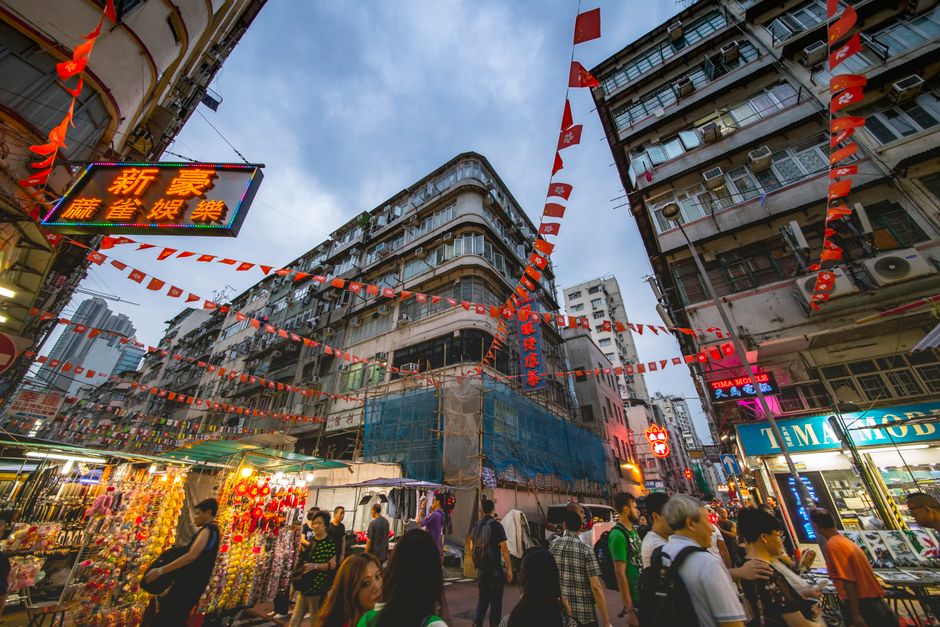
But this story extends beyond the fine dining set. In Mong Kok and Sham Shui Po, younger vendors are rescuing nearly-extinct street foods—the hand-pulled noodle makers, the traditional soy sauce braising masters, the fruit juice specialists who've operated for 40 years. These individuals are now being celebrated through documentary projects and heritage food tours, transforming them from invisible service workers into recognised cultural custodians.
The bar culture tells a parallel story. Venues across Lan Kwai Fong and the emerging Central-Soho corridor are no longer chasing the expat dollar exclusively. Cocktail bars now feature ingredients sourced from local producers—lychee spirits, fermented plum syrups, house-made bitter infusions rooted in traditional Chinese medicine principles. Mixologists are treating their craft as a form of cultural translation.
What binds these narratives is human agency. The restaurateurs, bartenders, and street vendors aren't passive participants in Hong Kong's food economy—they're architects. They're making deliberate choices about what deserves preservation, what deserves reinvention, and how a city of 7.5 million people can maintain its identity while remaining globally relevant.
As Hong Kong's culture continues its complicated evolution, its restaurant and bar scene remains one of the few spaces where tradition and innovation genuinely negotiate with one another—not in opposition, but in partnership.
This article was compiled by AI from the sources linked above and screened before publishing. See our editorial standards.