Hong Kong's street art scene has matured dramatically over the past five years, transforming forgotten corners into open-air galleries that rival any institutional space. For those seeking authentic creative experiences beyond the tourist trail, June 2026 presents an ideal moment to explore the city's most vibrant design districts.
Start in Fotan, where the former industrial neighbourhood has become ground zero for Hong Kong's creative renaissance. Warehouses along Pak Tin Street now house artist studios, design collectives, and independent galleries. The district hosts regular open studios—check the Fotan Arts Map online for current schedules. Rents have climbed as the area gentrified, but the energy remains distinctly grassroots. Nearby coffee shops like Common Ground serve as informal community hubs where designers and street artists congregate.
Cross the harbour to PMQ (Police Married Quarters) in Central, where the 1951 heritage building has been repurposed as a creative marketplace. Its narrow lanes display rotating installations and permanent galleries showcasing local designers. Entry is free, though expect crowds on weekends. The space elegantly bridges institutional legitimacy with independent creative voices.
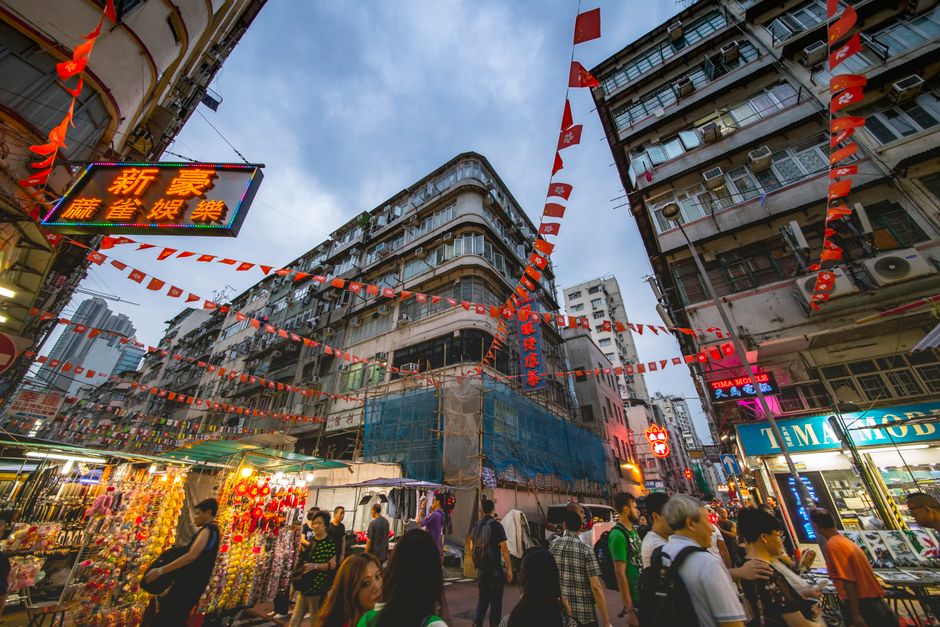
For raw, unrestricted wall art, head to Sham Shui Po's fabric district around Apliu Street. The neighbourhood's older buildings have become canvases for artists exploring themes of displacement, memory, and urban renewal—particularly poignant given the area's ongoing regeneration debates. Street photographers and design students regularly scout here. Combine your visit with prints and supplies at the surrounding fabric wholesalers; many have operated for decades and offer genuine local colour.
Don't miss Wong Chuk Hang's gallery corridor on Aberdeen Road, where commercial art spaces sit alongside street murals. Several galleries charge no entry fee and showcase emerging Hong Kong artists exploring installation, digital media, and traditional forms alike.
For design retail, venture to Quarry Bay's Tai Koo precinct. Though more polished than Fotan, independent boutiques sell locally designed fashion, ceramics, and homewares at reasonable markups. The neighbourhood's distinctive brutalist architecture—particularly the iconic composite building—provides dramatic backdrops for design-conscious visitors.
Practical note: June humidity peaks around 95%, so plan gallery visits for early mornings or evenings. Most independent spaces operate Thursday to Sunday. Bring cash; many smaller galleries lack card machines. Public transport remains Hong Kong's most efficient option; MTR connections serve all mentioned areas.
The city's creative districts reflect Hong Kong's ongoing identity negotiations—where global influences meet local resistance, and heritage preservation competes with commercial pressure. These spaces matter because they remain relatively accessible, authentically community-driven, and constantly evolving. Visit now, while the energy is still raw.
This article was compiled by AI from the sources linked above and screened before publishing. See our editorial standards.