Hong Kong's live music scene pulses across three distinct zones, each with its own character and crowd. Understanding where to go and what to expect can make the difference between a forgettable night and an unforgettable one.
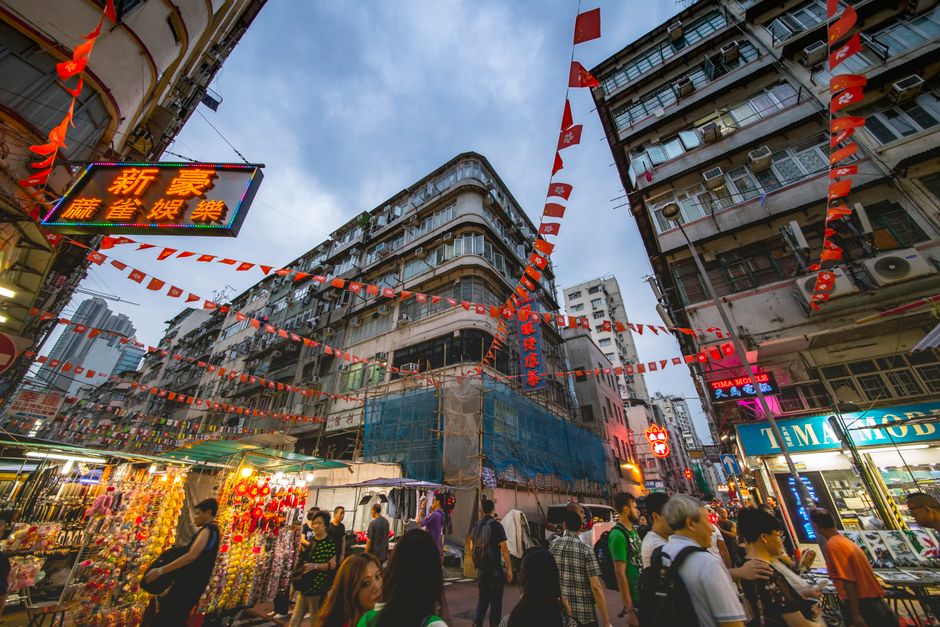
Central and Soho remain the epicentre for intimate performances. Venues like The Wanch on Jaffe Road have hosted local and international acts for decades, drawing a mix of expats and locals willing to squeeze into converted shophouses for raw acoustic sets. Expect to queue on weekends; admission typically ranges from HK$100–250 depending on the artist. Just uphill, Lan Kwai Fong pulses with live bands every evening, though the quality varies—this is more about atmosphere than serious musicianship.
For larger productions, the West Kowloon Cultural District has transformed Hong Kong's live entertainment landscape since its partial opening. The 2,000-seat Xiqu Centre and the Hong Kong Palace Museum's surrounding plaza regularly host orchestral performances and contemporary concerts. The Asian World Expo in Kowloon Bay serves as the city's primary venue for major international touring acts, with a 10,000-seat capacity and premium sound systems that rival regional standards.
Hong Kong Coliseum in Hung Hom remains iconic for stadium-scale events, though the 12,500-capacity venue is undergoing renovation until 2027. Meanwhile, the newly opened Hong Kong Entertainment Expo in Tseung Kwan O is positioning itself as a modern alternative, with flexible staging for genres ranging from K-pop to classical.
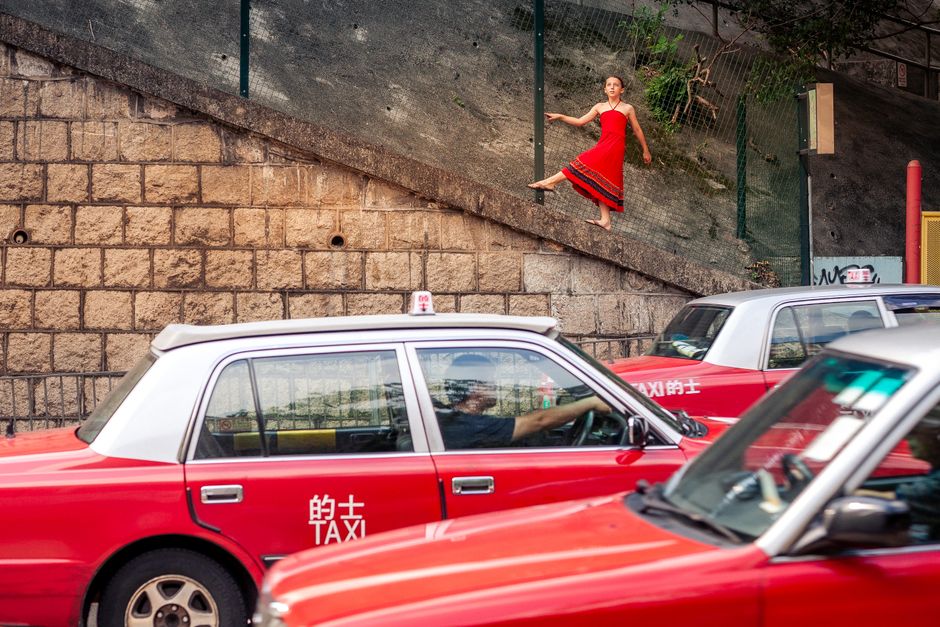
Practical essentials: Ticket prices for international acts typically range from HK$500–2,000 depending on seating; local artists' shows cost considerably less. Major ticketing is handled through AUPA and Ticketflap—download apps beforehand as mobile payment is standard. The MTR runs until midnight on most lines; taxis and Uber remain reliable late-night options, though surge pricing kicks in after 11 p.m.
Timing matters. Summer (June–August) sees fewer large-scale concerts due to heat and typhoon season; autumn and winter bring the busiest calendar. The Hong Kong Arts Festival (typically February–March) and Clockenflap festival (November) are anchors for serious music fans.
A practical note: dress codes are informal except at classical concerts at the Philharmonic Hall. Venues in Central can feel cramped and sweaty; arrive early for standing-room shows. Drinks are expensive across the board—HK$60–100 for beer—so budget accordingly.
Whether you're seeking Cantopop nostalgia, international indie acts, or classical excellence, Hong Kong delivers across all genres with the efficiency and polish you'd expect from Asia's most cosmopolitan city.
This article was compiled by AI from the sources linked above and screened before publishing. See our editorial standards.