Walk through Central's narrow lanes today and you'll find sleek cinema multiplexes, yet Hong Kong's theatre and film culture bears the unmistakable fingerprints of a century-long evolution—one that mirrors the city's own metamorphosis from colonial trading post to global cultural hub.
The story begins in the early 1900s, when Cantonese opera dominated entertainment across Hong Kong Island and Kowloon. Venues like the Liyuen Theatre, which once operated on Des Voeux Road Central, were packed with audiences dressed in their finest. By the mid-20th century, as cinema exploded globally, Hong Kong became a film production powerhouse. The territory's film industry peaked in the 1980s and 1990s, producing over 100 films annually—a figure that has since contracted to around 20-30 yearly productions, reflecting shifting economics and digital disruption.
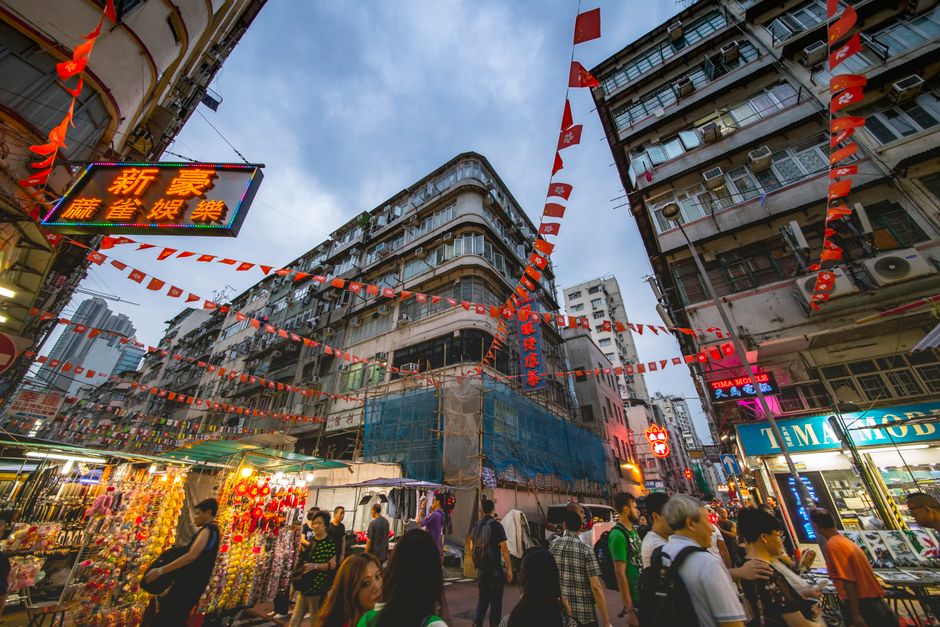
The physical landscape tells this story viscerally. Mong Kok's cinema-dense streets—once featuring five or more neighbourhood cinemas within walking distance—have thinned considerably. Independent theatres have largely surrendered to multiplexes operated by chains like Palace and United Artists. Yet this consolidation hasn't entirely strangled artistic ambition. The Hong Kong Arts Centre, established in 1977 on Harbour Road, remains a crucial incubator, hosting independent films and experimental theatre alongside mainstream offerings.
More recently, the performing arts scene has experienced remarkable institutional growth. The West Kowloon Cultural District, which launched in phases from 2013 onwards, fundamentally reshaped the territorial landscape with venues including the Xiqu Centre (dedicated to Chinese opera), the Freespace experimental theatre, and the M+ contemporary art museum. This HK$40 billion development has positioned Hong Kong as a major cultural destination for international touring productions and homegrown contemporary work.
Today's ecosystem is genuinely hybrid. Traditional Cantonese opera continues thriving—the Hong Kong Chinese Orchestra and companies like the Asian Theatre Company maintain classical traditions—while independent producers push experimental boundaries in spaces like Cattle Depot Artist Village in To Kwa Wan. Streaming services and digital platforms have disrupted traditional cinema-going (ticket sales dropped roughly 20% in the past five years), yet local filmmakers and theatre practitioners have adapted, embracing hybrid formats and international co-productions.
What's emerged is a scene characterized less by decline than by fragmentation and specialization. Where once neighbourhood cinemas served entire communities, today's audiences navigate an archipelago of venues—art-house cinemas, university black boxes, pop-up theatre spaces—each serving distinct demographics and aesthetic sensibilities. This decentralization, paradoxically, has created space for diverse voices that mass-market consolidation might have otherwise silenced.
This article was compiled by AI from the sources linked above and screened before publishing. See our editorial standards.