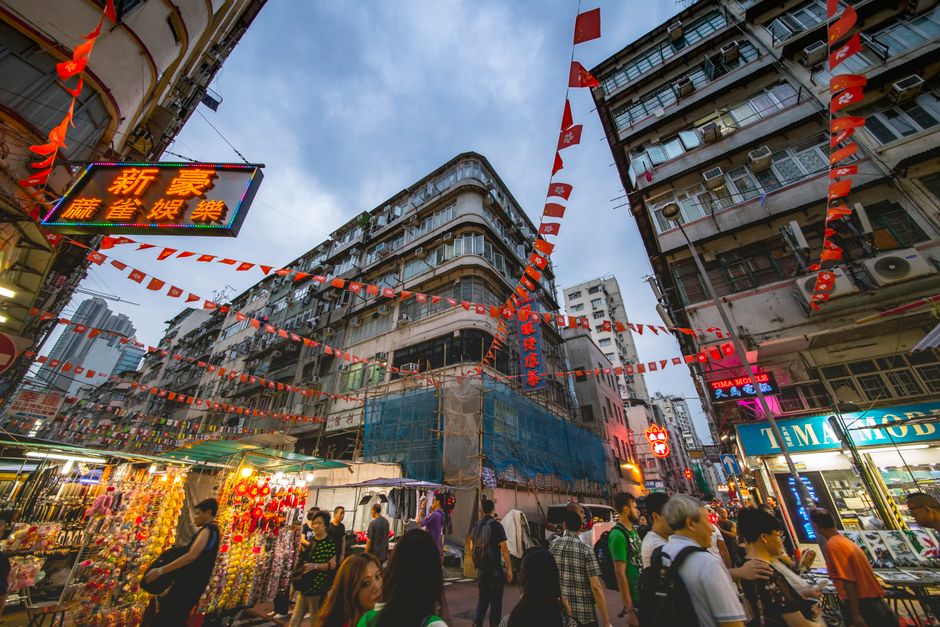
Walk through Sheung Wan on any given weekend and you'll encounter a city that doesn't quite match its skyscraper silhouette. In the warren of streets between Hollywood Road and the harbour, independent galleries and artist collectives have transformed warehouse spaces into makeshift venues hosting everything from experimental theatre to film screenings. This isn't accident—it's the visible result of a deliberate cultural shift happening across Hong Kong's event calendar, one that's quietly reshaping how the city sees itself.
The numbers tell part of the story. The Hong Kong Arts Centre alone hosts over 800 events annually across its theatres in Wan Chai, while the M+ museum in West Kowloon has become a gravity well for visual culture programming that draws visitors from across the region. But what's more telling is what's happening in the margins: smaller festivals, pop-up series, and neighbourhood-based events that collectively paint a portrait of a city actively negotiating its cultural identity.
Consider the recent surge in community-driven festivals. The Tai Kwun Contemporary's summer season has expanded its reach beyond Central into Wong Tai Sin and Sham Shui Po, bringing contemporary art programming directly into neighbourhoods historically associated with grassroots DIY culture. These aren't one-off exhibitions; they're becoming the fabric of how residents experience their own districts.
The economic angle matters too. Creative industries contributed HK$156 billion to the local economy in 2024, according to government data—a figure that would have seemed improbable a decade ago. That investment has created infrastructure: dedicated creative quarters in Kowloon Bay, maker spaces in To Kwa Wan, and experimental venues scattered across the New Territories that cater to emerging artists who can't afford premium rental rates in the core districts.
What distinguishes this moment is the deliberateness. Rather than importing cultural programming wholesale, Hong Kong's event organisers are leaning into what makes the city distinctive: its density, its layered history, its particular blend of Chinese and international influences. The annual Hong Kong International Film Festival, now in its 50th year, has become a proving ground for Asian cinema. Summer programming at Victoria Park—traditionally corporate and standardised—now features curated music series and interactive installations reflecting the city's creative communities.
This shift carries weight beyond arts circles. As Hong Kong navigates its role in an increasingly multipolar region, these festivals and events function as cultural infrastructure, anchoring identity not in financial metrics but in creative expression. They suggest a city consciously choosing to define itself through what its people make, not just what they earn. That redefinition, played out across a dozen neighbourhoods and hundreds of events annually, may ultimately matter more than any single headline.
This article was compiled by AI from the sources linked above and screened before publishing. See our editorial standards.