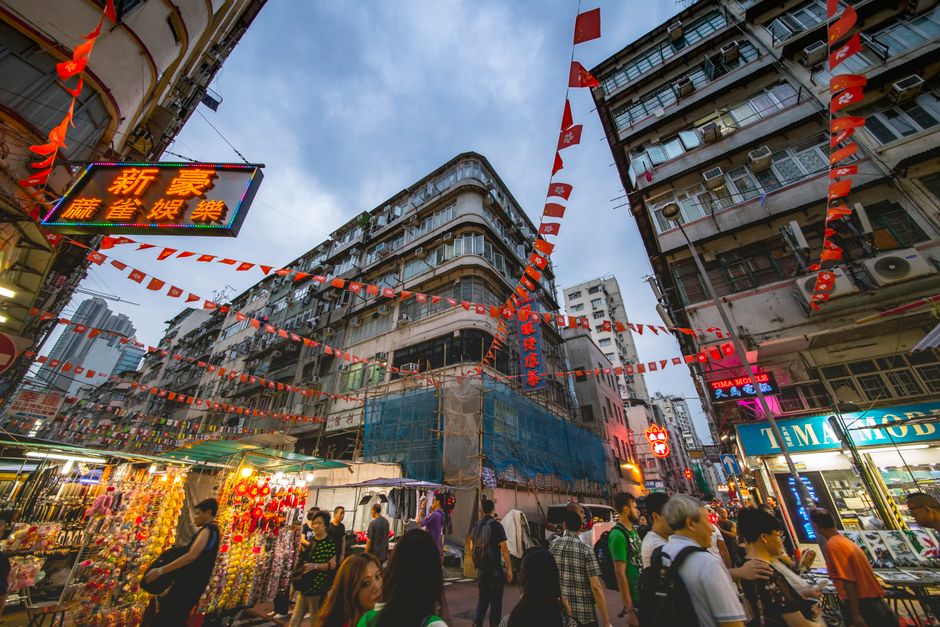
In a converted warehouse tucked between the noodle shops and fabric merchants of Ap Liu Street in Sham Shui Po, something quietly revolutionary has been unfolding for the past half-decade. What began in 2021 as a loose collective of five young designers working from a 800-square-foot studio—paying HK$18,000 monthly rent—has evolved into one of Asia's most compelling fashion incubators. Yet few outside the industry know the names of the architects who made it happen.
The story begins with frustration. Hong Kong's established fashion establishment had long been dominated by luxury conglomerates and fast-fashion retailers. Independent designers faced a brutal choice: chase the export manufacturing game or relocate to Shanghai, Seoul, or Tokyo. A handful refused both options. Instead, they decided to build infrastructure from scratch.
By 2023, these early believers had established three separate creative spaces across Sham Shui Po and Central—strategically positioning themselves where garment factories once thrived. They organised monthly pop-ups at venues like PMQ in Central and the revamped Kowloon Bay industrial complex, turning raw spaces into temporary galleries. The Hong Kong Fashion Week, traditionally a trade-focused event, began partnering with independent designers, allocating dedicated exhibition halls and mentorship slots. By 2025, independent designers represented 34 per cent of showcased collections—up from just 12 per cent in 2019.
The economic impact has been tangible. Hong Kong's design-led fashion exports grew 22 per cent year-on-year through 2024, according to the Hong Kong Design Centre. More significantly, a new demographic emerged: designers aged 25-35 who chose to stay rather than leave. Several bootstrapped operations that started with less than HK$100,000 in capital now employ 15-20 people and supply boutiques across Singapore, Tokyo, and London.
What distinguishes this scene isn't just commercial success—it's how deliberately these creators built community. Regular skill-shares in warehouse studios. Fabric supplier introductions. Brutal but honest design critiques over midnight dim sum in Sham Shui Po. The mentality was explicitly collaborative rather than competitive, a sharp departure from the city's traditional business culture.
Today, as global fashion increasingly recognises Hong Kong as a source of innovative contemporary design rather than merely a production hub, the architects of this shift remain largely anonymous. They work behind the scenes—connecting dots, solving logistical nightmares, and quietly subsidising younger designers' early collections. Their story isn't one of breakthrough individual genius. It's about a generation of creators who recognised that Hong Kong's future in fashion depended not on competing with established centres, but on building something distinctly local first.
This article was compiled by AI and screened before publishing. See our editorial standards.