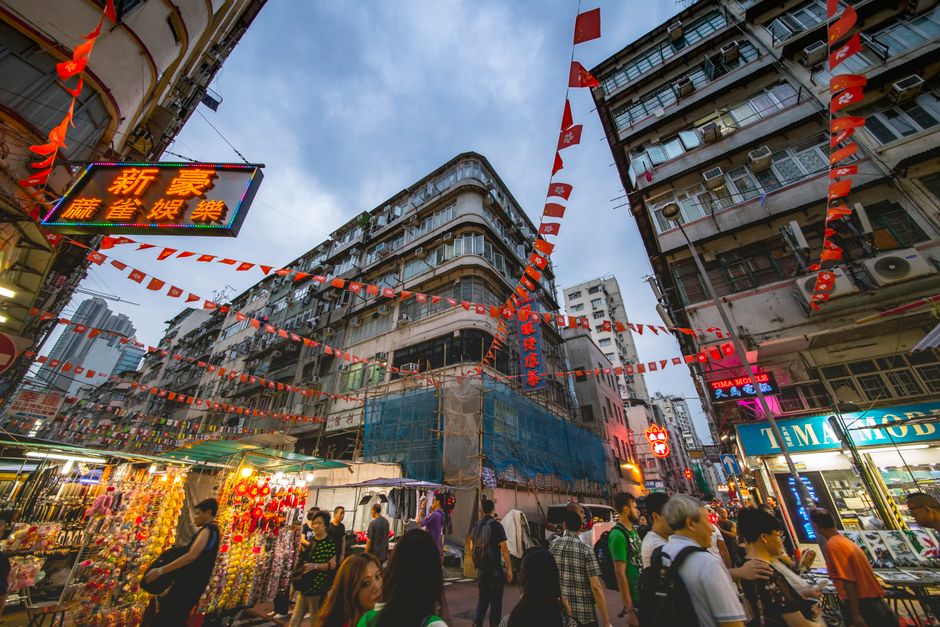
Hong Kong's street art scene has matured dramatically over the past five years, transforming former industrial zones and heritage neighbourhoods into open-air galleries that rival any major global creative hub. For visitors and locals seeking authentic creative experiences, the landscape has never been more accessible—or more worth exploring.
Start in Sheung Wan, where Cat Street and the surrounding lanes have become synonymous with design-forward galleries and independent studios. The area's narrow alleyways host everything from pop-up installations to permanent murals by established Hong Kong artists. Weekend foot traffic here peaks between 10am and 4pm, making early morning or late afternoon ideal for photography and quieter exploration. Most galleries operate on flexible hours, so call ahead.
For industrial-chic immersion, head to Fotan in Sha Tin. What was once a pottery manufacturing district has evolved into a genuine creative village, home to over 200 artist studios and galleries clustered around Chung On Street and nearby compounds. Entry to most studios is free, though many artists appreciate small donations. The KowloonBay International Mid-sized Enterprises Centre nearby occasionally hosts curated exhibitions worth checking in advance.
Central's PMQ (Police Married Quarters) on Hollywood Road remains essential—a heritage conversion housing approximately 100 creative businesses across design, fashion, and craft sectors. Admission is free; budget HK$200–400 if browsing shops or grabbing lunch at the food court.
Don't overlook Sham Shui Po, traditionally Hong Kong's fabric and electronics district, which has quietly become a street art hotspot. Recent murals by local artists adorn warehouse facades near Apliu Street, creating unexpected visual contrast with the neighbourhood's commercial character. It's grittier than curated districts, but authenticity appeals to serious art enthusiasts.
For contemporary design infrastructure, the Design Centre at Chai Wan (free entry) showcases emerging Hong Kong designers and occasionally hosts talks and workshops—check their website for June-July programming.
Practical timing: Visit street art districts on weekday mornings for fewer crowds and better natural light. Most studio owners are afternoon people, so 2–6pm typically offers better chances for artist conversations. Bring cash for independent galleries, though many larger venues now accept mobile payment.
Summer heat is significant; stay hydrated and plan breaks at neighbourhood cafés. Each district rewards slow exploration—resist rushing between locations. Hong Kong's creative energy thrives in the details.
This article was compiled by AI and screened before publishing. See our editorial standards.