From Godowns to Art Galleries: How Hong Kong's Heritage Districts Are Redefining Cultural Identity
As gentrification reshapes neighbourhoods like Sham Shui Po and Sheung Wan, stakeholders grapple with preserving the city's layered past while embracing its future.
This article was generated by AI from the linked public sources. The Daily Hong Kong is independently owned and covers Hong Kong news free from advertiser or sponsor influence. Read our editorial standards →
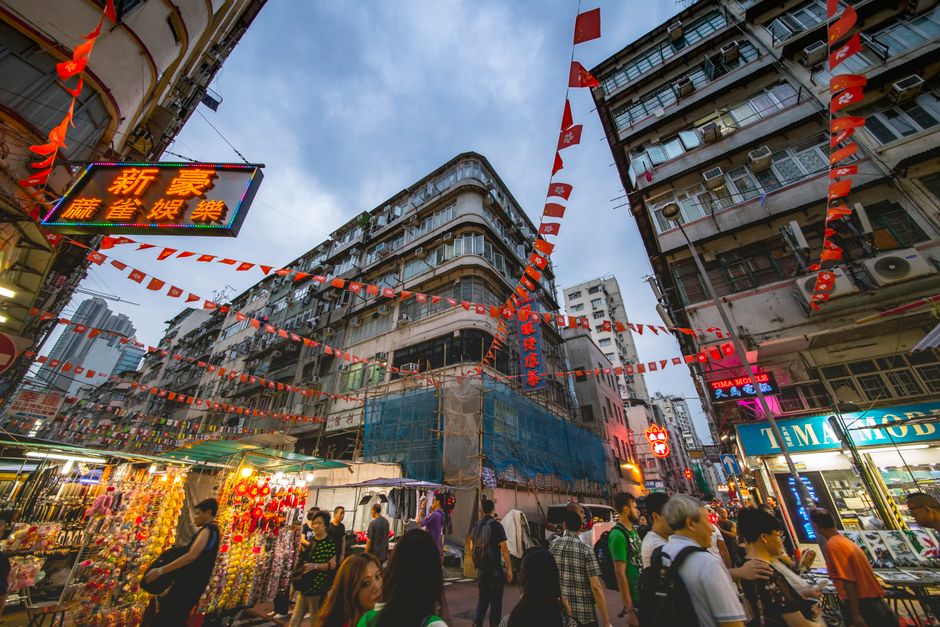
Walk down Des Voeux Road West on any Saturday morning, and you'll witness Hong Kong's cultural identity in flux. The narrow street in Sheung Wan, once dominated by dried seafood merchants and traditional medicine shops, now hosts independent galleries, vintage bookstores, and design studios. It's a microcosm of a broader transformation unfolding across the city—one where heritage preservation and commercial development are locked in an uneasy dance.
Hong Kong's cultural landscape has always been syncretic, shaped by centuries of trade, colonial rule, and waves of migration. But the pace of change has accelerated dramatically. The Urban Renewal Authority's ongoing projects have demolished or repurposed over 2.3 million square metres of dilapidated buildings since 2001, fundamentally altering how residents relate to their neighbourhoods. Sham Shui Po, historically the city's manufacturing hub and working-class heartland, exemplifies this tension. The district's textile and electronics factories—once employing tens of thousands—have largely disappeared, replaced by tech startups and creative industries clustered around Apliu Street.
Yet this evolution isn't simply erasure. Organizations like the Hong Kong Heritage Museum and grassroots groups such as Kowloon Community Cultural Centre have actively documented and celebrated the city's vernacular heritage. The Heritage Discovery Programme, which attracted 340,000 visitors in 2024, reflects growing appetite among Hongkongers to understand their own urban archaeology. The Government's 2023 Heritage Conservation Policy allocated HK$3 billion toward protecting Grade I and II historic buildings, signalling institutional commitment to preservation.
What's striking is how younger generations are reinterpreting heritage rather than simply conserving it. In Central, former colonial-era godowns now house contemporary art spaces and craft breweries. The Pace Gallery opened in a 1950s warehouse on Gage Street; the Tai Kwun Centre for Heritage and Arts transformed a 19th-century police headquarters into a 46,000-square-metre cultural complex attracting over 1.2 million visitors annually since 2019.
This isn't nostalgia—it's active negotiation with identity. As property prices continue climbing and the average rent in Sheung Wan approaches HK$80 per square foot, independent shopkeepers face existential pressure. Yet simultaneously, their stories are being archived, photographed, and celebrated by emerging artists and documentarians. The contradiction is distinctly Hong Kong: a city that tears down its past while obsessively recording it, that profits from heritage while struggling to afford it.
The question isn't whether Hong Kong will preserve its culture. It's whether future preservation will celebrate the full spectrum of working-class life, industrial heritage, and everyday resilience that actually built this city—or merely aestheticize sanitized versions for consumption.
This article was compiled by AI and screened before publishing. See our editorial standards.
Covering culture in Hong Kong. This article was generated by AI from the linked sources and was not reviewed by a human editor before publishing. See our editorial standards.