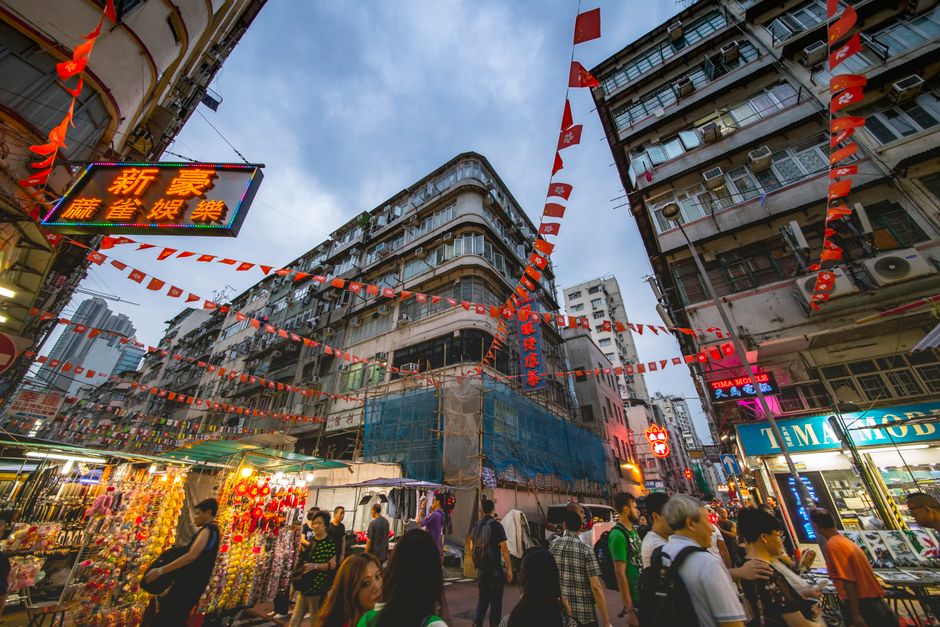
Walk through Sham Shui Po on a Friday night and you'll hear it before you see it—the unmistakable hum of live guitar bleeding through warehouse walls on Un Chau Street. Five years ago, this pocket of the city hosted perhaps three functioning music venues. Today, there are more than a dozen, from intimate 80-capacity rooms to converted industrial spaces hosting 400-person shows. The shift isn't accidental. It reflects a deliberate, community-driven rebellion against the oligopolistic grip large promoters once held over Hong Kong's concert calendar.
The movement gained momentum around 2023, when a coalition of independent promoters began organising what they called "neighbourhood discovery nights"—affordable, neighbourhood-based gigs featuring emerging artists and established names willing to play smaller rooms for lower fees. Unlike traditional concert halls charging HK$300 to HK$800 per ticket, these venues operated on a model closer to HK$80–150, with artists splitting door takings rather than demanding upfront guarantees. The economics felt radical.
Key players include collectives like Hidden Agenda (operating three spaces across Sheung Wan and Causeway Bay) and the Sham Shui Po Arts Collective, which has mobilised local resident associations to advocate for zoning variances that permit live entertainment in mixed-use buildings. Their efforts paid off: the Urban Renewal Authority's recent Kai Tak Cultural Precinct initiative explicitly reserved 15 per cent of commercial space for independent cultural operators—a first for Hong Kong property development.
The data tells the story. According to the Hong Kong Arts Centre's 2025 survey, attendance at grassroots venues grew 67 per cent year-on-year, while ticket sales through established promoters plateaued. More tellingly, 73 per cent of surveyed attendees said they discovered venues through community networks rather than traditional advertising—word of mouth, Instagram stories, neighbourhood WhatsApp groups.
This isn't merely about accessibility, though that matters. The movement represents a philosophical shift: the insistence that Hong Kong's creative vitality shouldn't depend on whether a venue can generate HK$2 million in annual revenue, but whether it serves the community it occupies. Some venues now double as rehearsal spaces, community art studios, or venues for local discourse—blurring the line between commerce and culture.
As global cities struggle to preserve space for live creativity amid rising rents and corporate consolidation, Hong Kong's decentralised movement offers a template. The neighbourhood-first approach has proven resilient, adaptable, and—perhaps most importantly—rooted in the communities it serves rather than imposed from above.
This article was compiled by AI from the sources linked above and screened before publishing. See our editorial standards.