Hong Kong's performing arts ecosystem punches well above its weight for a city of 7.5 million. Visitors accustomed to theatre scenes in London or New York will find a similarly sophisticated infrastructure, but with a distinctly local flavour that blends Cantonese opera, contemporary dance, international touring productions, and experimental work in unexpected venues.
The Hong Kong Cultural Centre in Tsim Sha Tsui remains the flagship venue, hosting everything from the Hong Kong Philharmonic Orchestra to large-scale theatrical productions. Its three theatres accommodate different scales of performance, and advance booking is essential—productions often sell out weeks ahead. Ticket prices range from HK$100 to HK$650 depending on the show and seating.
For something more intimate, the Fringe Club in Central—housed in a 1892 Victorian building near the Mid-Levels—programmes experimental theatre, comedy, and independent productions. This is where Hong Kong's avant-garde theatre community congregates, and it's a reliable spot for discovering local artists before they scale up.
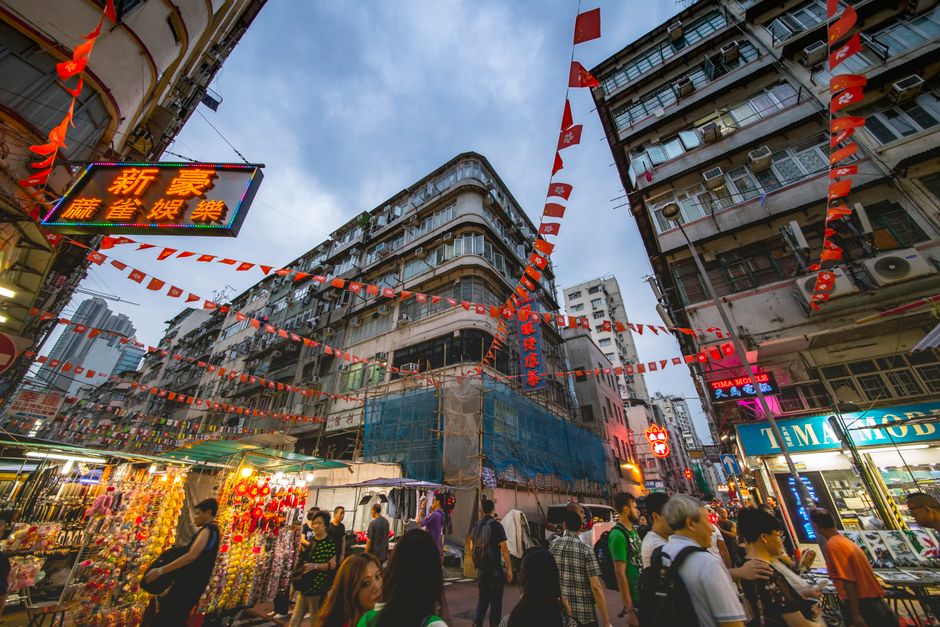
Cantonese opera deserves its own exploration. The Hong Kong Heritage Museum in Sha Tin regularly features performances and exhibitions, while smaller venues around Temple Street in Mong Kok still host traditional performances. Don't expect subtlety in makeup or elaborate costumes—it's a deeply expressive art form that rewards curiosity.
For classical music and ballet, the Lyric Theatre at the Hong Kong Academy for Performing Arts in Wan Chai hosts the city's ballet company and orchestral concerts. The venue's technical standards rival any major international city.
Dance lovers should check what's on at the Dance Centre in Wong Tai Sin, where contemporary and traditional dance companies perform, or catch experimental work at smaller studios across Sham Shui Po and Kowloon City—increasingly the creative heartland of the city.
Practical guidance: the URBTIX booking platform (urbtix.hk) unifies ticketing across most major venues and smaller independent spaces. Many shows include English subtitles, though this isn't guaranteed—checking details beforehand matters. Peak season runs September to December; summer sees fewer productions but smaller venues programme year-round.
Expect to pay 20-30% less for tickets compared to equivalent venues in Singapore or Tokyo. The scene is professional, cosmopolitan, and growing—especially in smaller independent spaces that reflect Hong Kong's ongoing evolution as a cultural laboratory for Asia.
This article was compiled by AI and screened before publishing. See our editorial standards.