This article was generated by AI from the linked public sources. The Daily Hong Kong is independently owned and covers Hong Kong news free from advertiser or sponsor influence. Read our editorial standards →
The final trading session of June delivered a sobering reminder that not all equities are created equal. While the S&P 500 slipped a relatively contained 0.45 per cent to 7,439 and the broader tape looked orderly enough at first glance, the Nasdaq Composite's sharper 1.34 per cent fall to 25,815 pointed to something more unsettling beneath the surface: a decisive rotation away from growth and smaller names, and a retreat into the perceived safety of large-cap franchises with reliable cash flows.
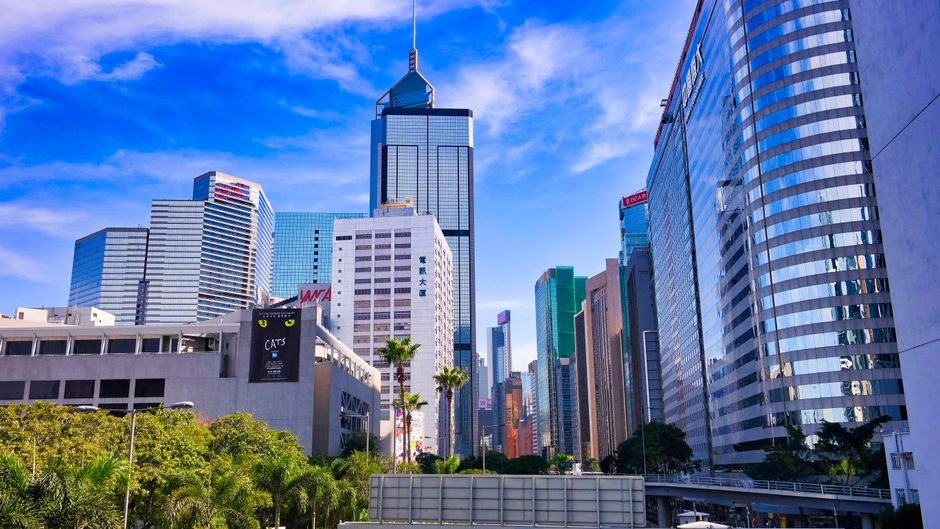
The pattern was mirrored, with greater violence, in Asia. The Hang Seng fell 3.12 per cent to 23,027, a decline that stung investors in Hong Kong and across the region as quarter-end rebalancing collided with a broader reassessment of risk. For local readers with exposure to Hong Kong-listed small and mid-cap counters, including the swath of mainland property-adjacent developers and consumer discretionary names that populate the lower tiers of the exchange, Monday's session offered little comfort. Blue chips, particularly those with strong balance sheets, dollar-denominated revenues or commodity linkages, proved far more resilient.
Where the Real Action Was
On the Australian Securities Exchange, the divergence between the large-cap benchmark and the small ordinaries index was equally instructive. The big four banks, the major miners and the large integrated energy names held relatively firm, underpinned by commodity prices that kept their footing. WTI crude edged up marginally to US$70.39 a barrel, just enough to support the energy majors without generating enthusiasm, while gold's 0.99 per cent advance to US$4,030 an ounce gave the gold producers a genuine tailwind, the sector outperforming convincingly as it often does when institutional money turns defensive.
Small caps told a different story. Stocks with thinner liquidity, higher debt loads and domestic revenue bases were sold with little ceremony as fund managers dressed their portfolios ahead of the 30 June financial year-end. Companies reliant on discretionary consumer spending or exposed to refinancing risk in a still-elevated rate environment faced the sharpest selling. The message from the market was unambiguous: quality and scale matter more, not less, when uncertainty is elevated.
Bitcoin's 1.01 per cent rise to US$60,327 cut against the risk-off grain, a quirk that analysts have begun to attribute to its growing role as an alternative store of value rather than a pure speculative vehicle, a narrative gold's own performance this session does nothing to dispel. For Hong Kong retail investors with crypto exposure alongside traditional equities, that divergence in asset behaviour is worth noting.
With the Australian financial year now closed, institutional flows should normalise through the first week of July, potentially offering a technical reprieve for oversold small-cap names. But the structural question, whether the mid-cycle derating of growth and smaller stocks has further to run, will depend heavily on the next round of US economic data and whatever signals the Federal Reserve chooses to send. For now, large caps remain the shelter of choice.
This article was compiled by AI from the sources linked above and screened before publishing. See our editorial standards.
Covering finance in Hong Kong. This article was generated by AI from the linked sources and was not reviewed by a human editor before publishing. See our editorial standards.