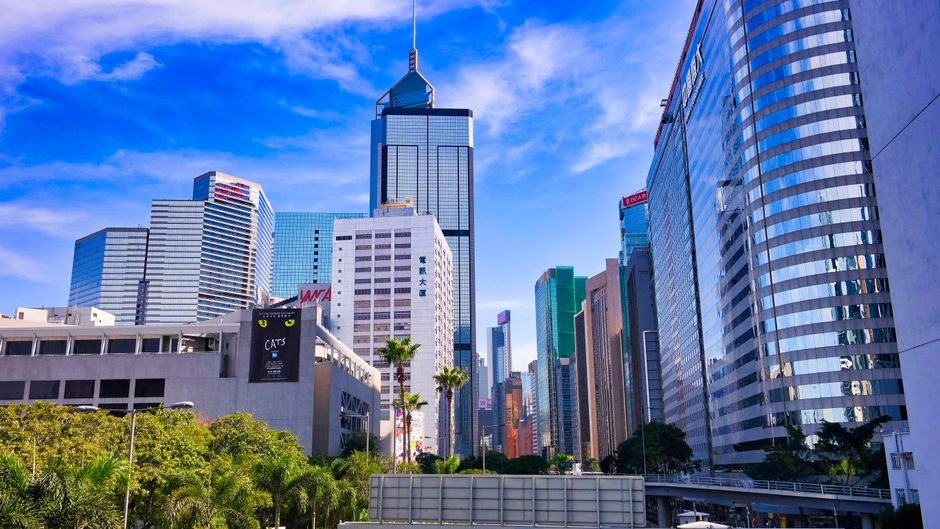
The Hang Seng dropped 3.12 per cent on Monday, joining a global selloff that sent the S&P 500 down 1.95 per cent and the Nasdaq Composite tumbling 4.60 per cent. For younger investors in Hong Kong, many of them watching their Mandatory Provident Fund balances and brokerage accounts shrink in real time, the temptation to do something, anything, is almost irresistible. History, and basic arithmetic, counsel the opposite.
The instinct to sell into weakness is understandable but almost always counterproductive. Investors who exited positions during past sharp drawdowns, only to wait for a "clear signal" to re-enter, routinely bought back at higher prices than they sold. The mathematics of compounding punishes that behaviour harshly. A 25-year-old in Hong Kong who stays invested and continues contributing to their MPF through this period has roughly four decades of compounding ahead. Missing even a handful of the market's best single days, which tend to cluster around periods of peak fear, can cut long-run returns dramatically.
Gold's signal, and what it means for asset allocation
Gold's 1.78 per cent rise to US$4,061 an ounce today tells its own story. Investors globally are rotating toward perceived safe havens, and that flight-to-quality impulse is rational in the short run. But younger investors should resist over-weighting defensive assets at precisely the moment equity prices fall. The role of gold and cash in a portfolio is insurance, not a core return driver. Locking in a disproportionately large defensive allocation at a market trough effectively transfers wealth from your future self to the investors who stay the course.
For Hong Kong-based investors, the local market's heavy weighting toward mainland China-linked financials, property developers and technology names amplifies short-term volatility relative to more diversified global indices. That is not a reason to abandon the Hang Seng. It is a reason to ensure MPF selections span multiple geographies, and that a global equity component sits alongside the natural home-country bias that most Hong Kongers carry. Concentration in any single market, including this one, is the real risk.
Practically speaking, this week's sell-off is an argument for reviewing, not overhauling. Check that your MPF default fund matches your actual time horizon. Many younger workers find themselves in conservative or balanced mandates that were selected at enrolment and never revisited. If you have 30 or more years to retirement, an equity-heavy allocation is not aggression; it is appropriate.
Bitcoin held broadly flat, edging fractionally higher to US$60,006, while WTI crude slipped to US$70.00 a barrel, suggesting commodity and digital-asset markets are absorbing the equity shock with relative composure. Neither reading changes the core message for younger investors: the window for accumulating discounted assets at lower average prices is open. The investors who will look back on this period most favourably are the ones buying steadily, not the ones checking their balances hourly.
This article was compiled by AI from the sources linked above and screened before publishing. See our editorial standards.