Where the Real Hong Kong Lives: Inside the Neighbourhood Soul of Our Markets
From sunrise to sunset, the city's wet markets and street bazaars reveal the authentic character that defines our communities.
2 min read
Updated 15 h ago
From sunrise to sunset, the city's wet markets and street bazaars reveal the authentic character that defines our communities.
2 min read
Updated 15 h ago
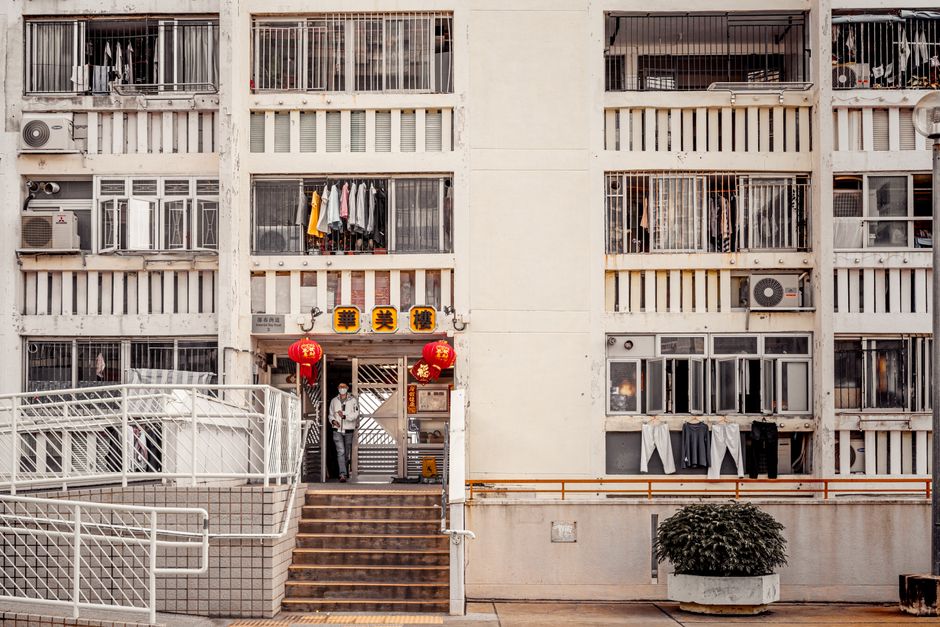
On any given morning, Kowloon City's Tung Tau Tsuen Market pulses with the rhythm of Hong Kong's beating heart. Regulars—many who've shopped here for decades—greet vendors by name while selecting the freshest produce, their cloth bags worn from years of use. This isn't retail tourism; it's the lifeblood of neighbourhood life, where transactions are as much about community as commerce.
The wet markets remain Hong Kong's most authentic retail spaces, despite the rise of supermarkets and online shopping. According to the Census and Statistics Department, approximately 40% of households still purchase fresh produce at traditional markets at least weekly. In Mong Kok's Ladies' Market, tourists jostle alongside residents hunting for bargains on textiles and trinkets, yet the neighbourhood's true character emerges in the early morning hours when locals negotiate prices and exchange gossip with vendors they've known for twenty years.
What distinguishes these spaces is their role as informal community centres. At Sham Shui Po's traditional fabric markets along Apliu Street, elderly seamstresses gather to discuss pattern modifications while younger residents hunt for sustainable vintage finds. A simple cotton bolt costs between HK$40–80, but the real value lies in the intergenerational knowledge shared freely between vendor and customer.
The neighbourhood vibe extends to emerging retail corridors redefining the market experience. In Sheung Wan, independent shopkeepers along Graham Street—many second-generation proprietors—blend heritage with innovation. Traditional Chinese medicine shops sit beside contemporary lifestyle boutiques, creating a fascinating commercial ecosystem where old Hong Kong and new aspirations coexist naturally.
Even the newest additions respect this character. The revitalised Tai Nan Street in Mong Kok has attracted young entrepreneurs opening concept stores, yet they consciously preserve the street's market heritage by maintaining affordable pricing and maintaining vendor relationships built over generations.
What emerges across these neighbourhoods is a shared understanding: Hong Kong's markets aren't merely places to buy things—they're spaces where community identity forms. The vendor who remembers your mother's preferences. The regular who alerts you to a neighbour's illness. The street where children play between stalls while adults transact business.
In an era of delivery apps and climate-controlled malls, these markets represent something increasingly rare: spaces where neighbourhood character isn't manufactured by marketing teams but authentically earned through daily human interaction. They're where Hong Kong still genuinely lives.
This article was compiled by AI from the sources linked above and screened before publishing. See our editorial standards.

About this article
Published by The Daily Hong Kong
Spread the word
Daily brief
Free, in your inbox before 7am. Weekdays.
Before you go
The day's Hong Kong news in a 2-minute read. Free, weekday mornings.