Where Strangers Become Regulars: The Hidden Soul of Hong Kong's Neighbourhood Markets
Beyond the souvenir stalls and tourist traps, the city's wet markets and street-level shops reveal what really binds Hong Kong communities together.
3 min read
Beyond the souvenir stalls and tourist traps, the city's wet markets and street-level shops reveal what really binds Hong Kong communities together.
3 min read
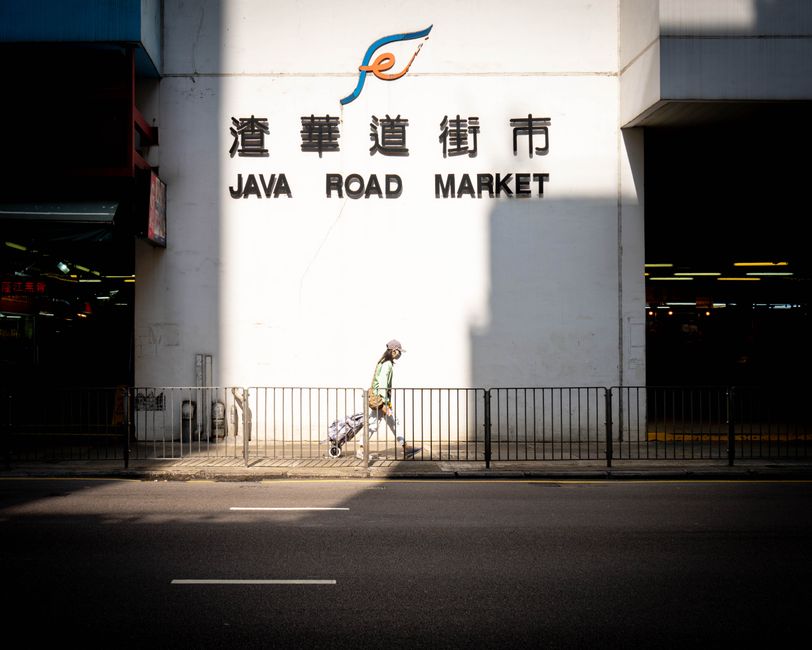
Walk into Ap Liu Street in Sham Shui Po on any weekday morning, and you'll witness something increasingly rare in Hong Kong's hyper-commercialised landscape: a functioning neighbourhood ecosystem where shopkeepers know customers by name, vendors remember your preferences, and the rhythm of daily life unfolds at human speed.
The neighbourhood markets that thread through districts like Mong Kok, Causeway Bay's back alleys, and the warren of streets around Central's Graham Street represent something deeper than retail convenience. They're social infrastructure—places where the city's famously frenetic energy slows enough for genuine connection to happen.
"The character of a neighbourhood lives or dies with its markets," says community researcher Dr. Linda Wong from the University of Hong Kong's urban studies programme. Data from the Hong Kong Retail Management Association suggests that 73% of residents still visit traditional wet markets weekly, despite the proliferation of supermarket chains. These aren't just shopping trips; they're rituals that anchor community identity.
In Wan Chai, the warren of stalls around Spring Garden Lane tells this story vividly. The dai pai dong operators, fabric vendors, and elderly fruit sellers have maintained their pitches for decades, creating informal mentoring networks where newcomers learn the unwritten codes of neighbourhood life. A bowl of noodles costs HK$35-45, but the real transaction is information exchange—about which restaurants have overextended their rent, which landlords respect long-term tenants, whose children are studying abroad.
The vitality of these spaces depends on a delicate balance. Rising rents have decimated some traditional areas; the number of hawker licences in Hong Kong has dropped from over 35,000 in 1990 to approximately 9,500 today. Yet some neighbourhoods have adapted. Sheung Wan's cat-filled antique stores and vintage clothing shops now sit alongside artisanal coffee roasters, creating hybrid communities that preserve neighbourhood character while attracting younger residents.
What distinguishes these markets from shopping malls isn't just aesthetics. It's the absence of algorithmic curation. You discover things by accident—the herbalist who remembers your mother's health condition, the fabric seller who saves off-cuts for local artists, the noodle vendor whose soup recipe has been refined through ten thousand conversations with regulars.
As Hong Kong navigates its future, these markets represent something worth protecting: spaces where commerce serves community rather than overwhelming it. In a city often defined by speed and efficiency, they remind us that shopping can still be about belonging.
This article was compiled by AI from the sources linked above and screened before publishing. See our editorial standards.
About this article
Published by The Daily Hong Kong
Spread the word
Daily brief
Free, in your inbox before 7am. Weekdays.
Before you go
The day's Hong Kong news in a 2-minute read. Free, weekday mornings.