The Faces Behind the Neon: How Ordinary People Shape Hong Kong's Neighbourhood Soul
From dai pai dong uncles to community organisers, the city's most vibrant spaces thrive because of the humans who inhabit them.
3 min read
From dai pai dong uncles to community organisers, the city's most vibrant spaces thrive because of the humans who inhabit them.
3 min read
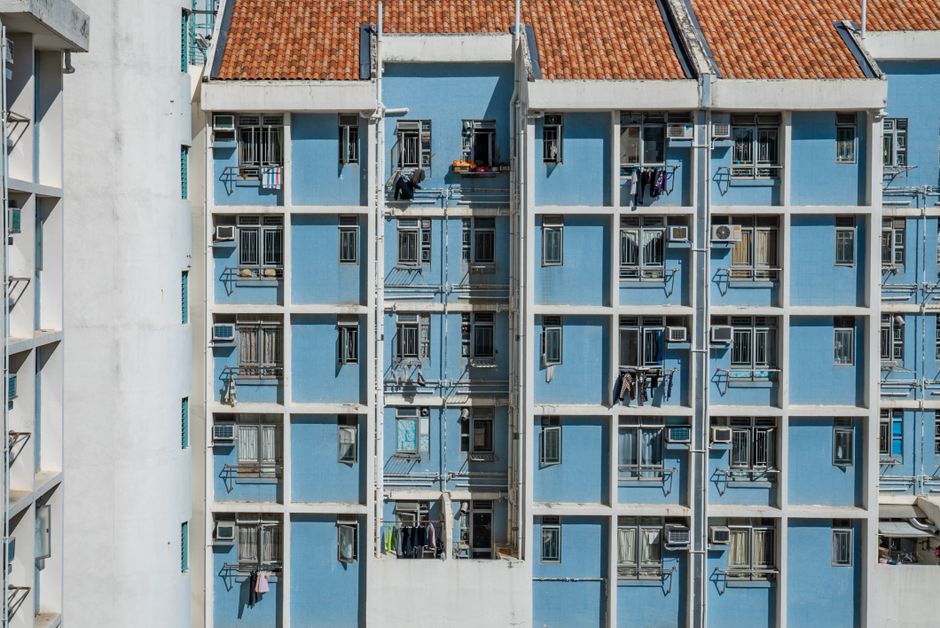
Walk down Temple Street in Mong Kok on any evening and you'll witness a carefully choreographed dance of vendors, diners, and locals who've claimed these corners as their own for decades. Yet behind the bustle and the Instagram-ready chaos lies a quieter truth: Hong Kong's neighbourhoods are defined not by their architecture or shopping malls, but by the people who have chosen to stay, to build, to belong.
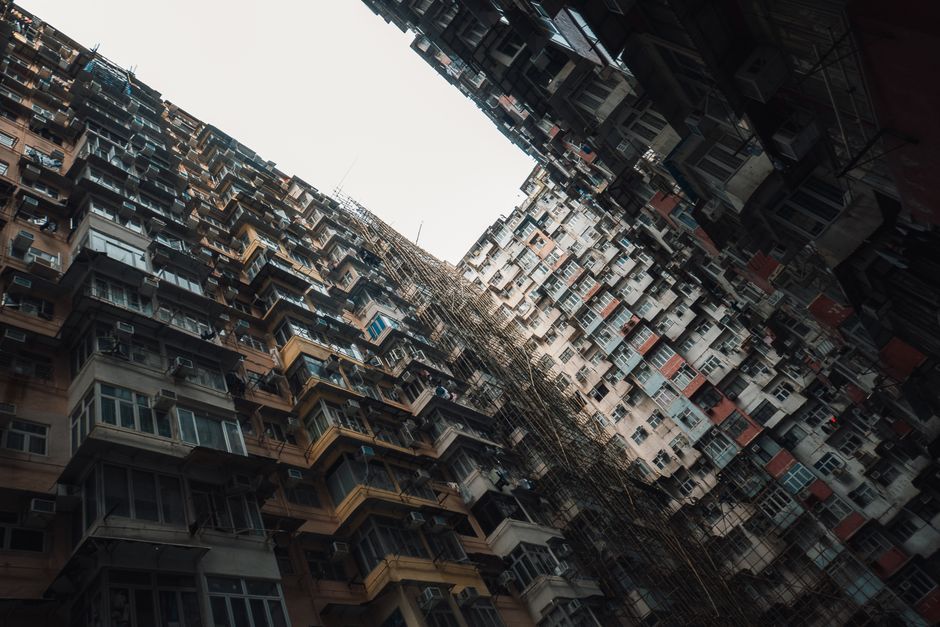
In Sham Shui Po, where studio flats average HK$7,500 monthly and three-storey walk-ups still outnumber modern developments, community workers like those at the Sham Shui Po Community Centre have spent years stitching together a fragmented neighbourhood. They run Cantonese classes for new arrivals, cooking workshops in cramped corridors, and job-training programmes that have quietly transformed the lives of hundreds. These aren't headline-grabbing initiatives; they're the unglamorous work of building social cohesion in a city where density can isolate.
Cross into Sheung Wan and you'll find a different character entirely. Here, heritage conservationists have partnered with long-time residents and small business owners to resist the relentless march of luxury retail. The dried seafood merchants on Des Voeux Road West, many family-run operations spanning three generations, have become unlikely symbols of resistance. One shop owner recently remarked to local media that maintaining these businesses isn't profitable—it's personal. These aren't billionaire developers; they're people choosing heritage over convenience.
In Central's quieter pockets and along the quieter stretches of Victoria Park in Causeway Bay, volunteer organisations working with elderly residents and migrant domestic workers have created informal support networks that the government barely touches. Food donation programmes, mental health check-ins, English conversation circles—all sustained by locals who simply noticed gaps in the social fabric.
The story of Hong Kong in 2026 isn't really about property prices or tourist flows. It's about Mrs. Lau in Tai Hang, who's run the same noodle stall for 31 years and knows every regular's order by heart. It's about the youth workers in Wong Tai Sin rebuilding trust in communities fractured by economic anxiety. It's about the quiet activists preserving old shophouses in Sheung Wan, and the volunteers serving 200 meals daily from a church basement in Sham Shui Po.
These are the faces that make Hong Kong's neighbourhoods more than just postcodes. They're the reason a city of 7.5 million can still feel like a collection of villages.
This article was compiled by AI from the sources linked above and screened before publishing. See our editorial standards.
About this article
Published by The Daily Hong Kong
Spread the word
Daily brief
Free, in your inbox before 7am. Weekdays.
Before you go
The day's Hong Kong news in a 2-minute read. Free, weekday mornings.