For decades, Hong Kong's expat story was one of transience—professionals arriving for two-year postings, living in gleaming towers on Mid-Levels, dining in Lan Kwai Fong, then departing. But something has shifted. The past eighteen months have seen a genuine transformation in how both newcomers and locals engage with the city, creating a more integrated, neighbourhood-focused expat experience that locals actually celebrate.
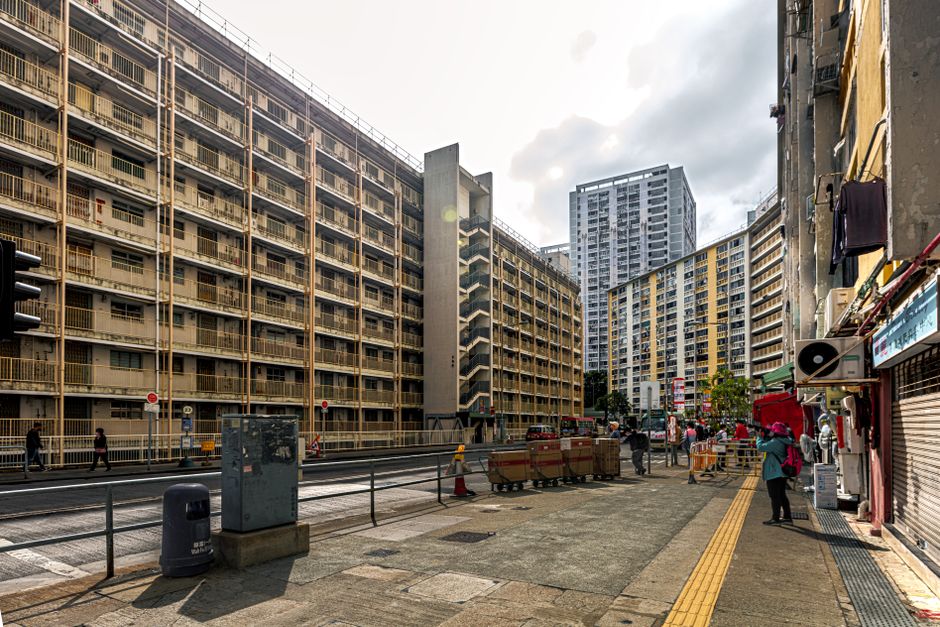
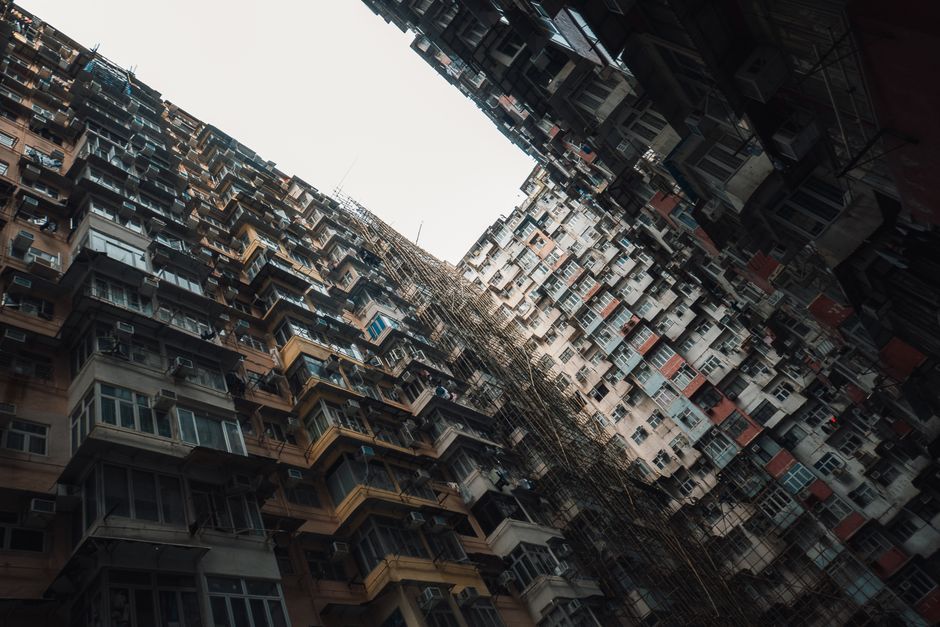
The catalyst? A combination of infrastructure upgrades and cultural recalibration. The MTR's expanded service to previously underutilised areas like Tseung Kwan O has made outer neighbourhoods suddenly desirable, while the completion of the Sai Kung Waterfront Park improvements has attracted a genuinely diverse crowd—families, cyclists, wellness enthusiasts. Young professionals who once reflexively chose Mid-Levels now explore Sheung Wan's revamped PMQ and nearby galleries, or head east to Quarry Bay's creative studios. These aren't just aesthetic shifts; they reflect where the actual energy is.
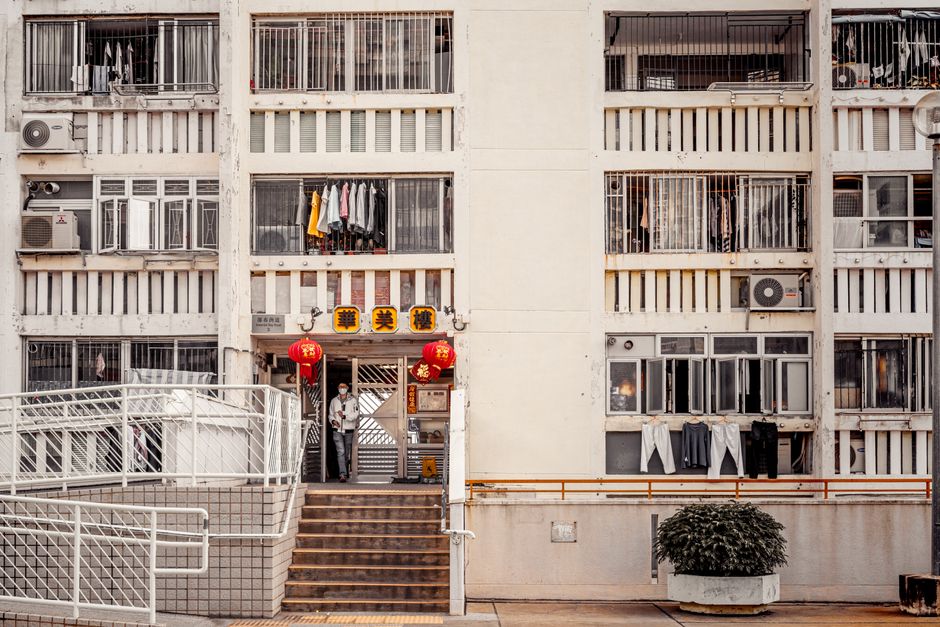
Local property agents report a notable change in enquiry patterns. Rather than seeking premium addresses, new arrivals increasingly ask about neighbourhoods with character: Sai Ying Pun's wet markets and heritage lanes, Kennedy Town's craft cafés and weekend antique markets, or Ap Lei Chau's quieter village atmosphere. Average rents in these areas have remained surprisingly stable—around HK$35,000–50,000 monthly for a two-bedroom apartment—making them more accessible than the traditional expat enclaves.
What's genuinely won over locals is the shift in dining and retail culture. Rather than isolated expat bubbles, newcomers are now genuine patrons of neighbourhood institutions: queuing at Sai Ying Pun dai pai dongs, shopping at wet markets in Sheung Wan, and patronising independent bookshops and concept stores throughout Central and Wan Chai. This isn't performative integration—it's simply where good food, community, and value converge.
The city's education and wellness sectors have also evolved. International schools are increasingly collaborative with local institutions, and a boom in boutique fitness, traditional Chinese medicine clinics, and wellness retreats means newcomers aren't seeking parallel infrastructure anymore—they're joining Hong Kong's actual ecosystem.
Crucially, locals recognise that recent expat arrivals are choosing Hong Kong deliberately, not defaulting to it. They're staying longer, investing in communities, and treating the city as home rather than a posting. For a city that weathered considerable uncertainty, this genuine commitment—reflected in neighbourhood engagement, business investment, and cultural participation—has quietly restored a sense of collective optimism that benefits everyone.
This article was compiled by AI from the sources linked above and screened before publishing. See our editorial standards.