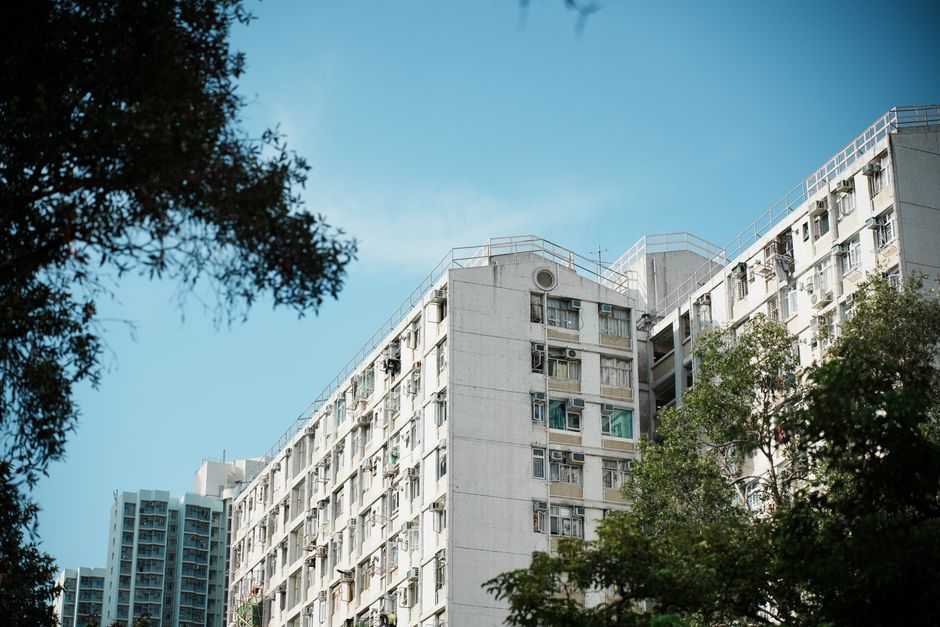
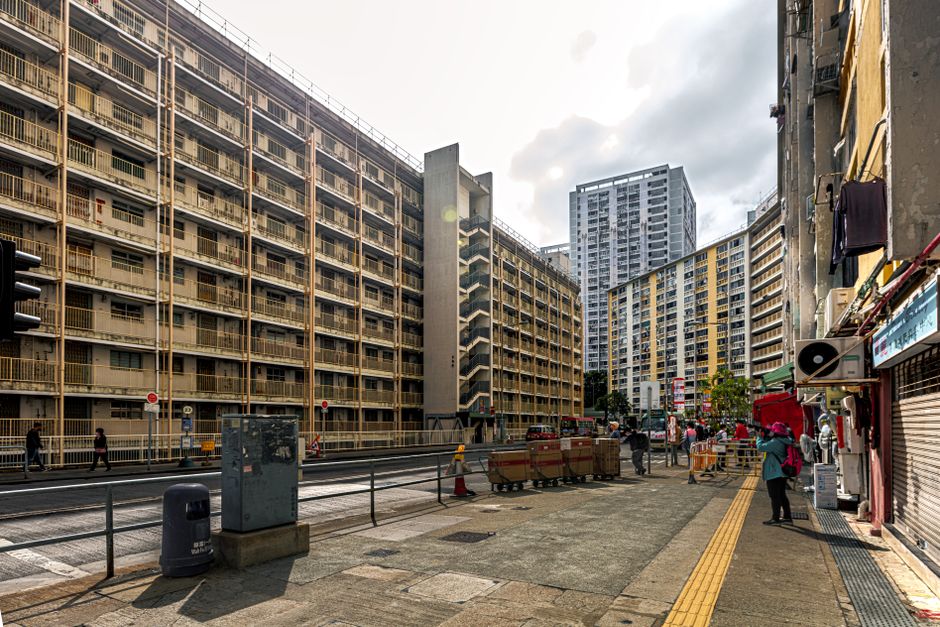
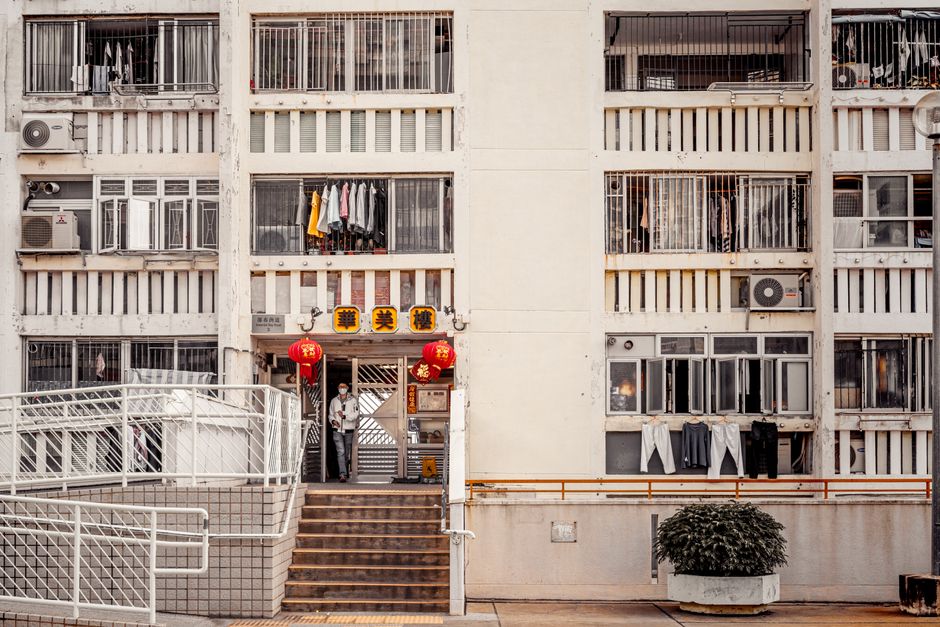
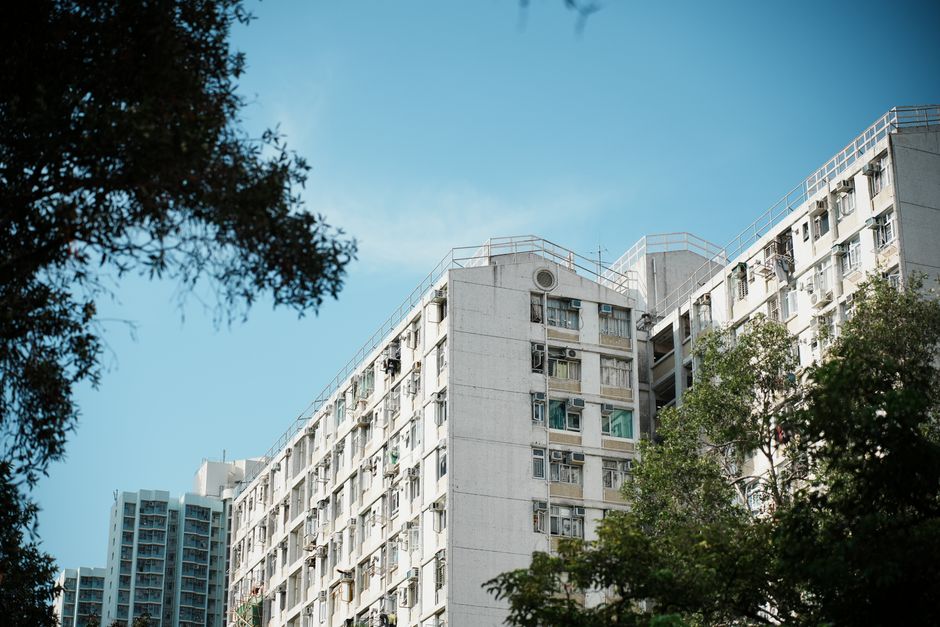
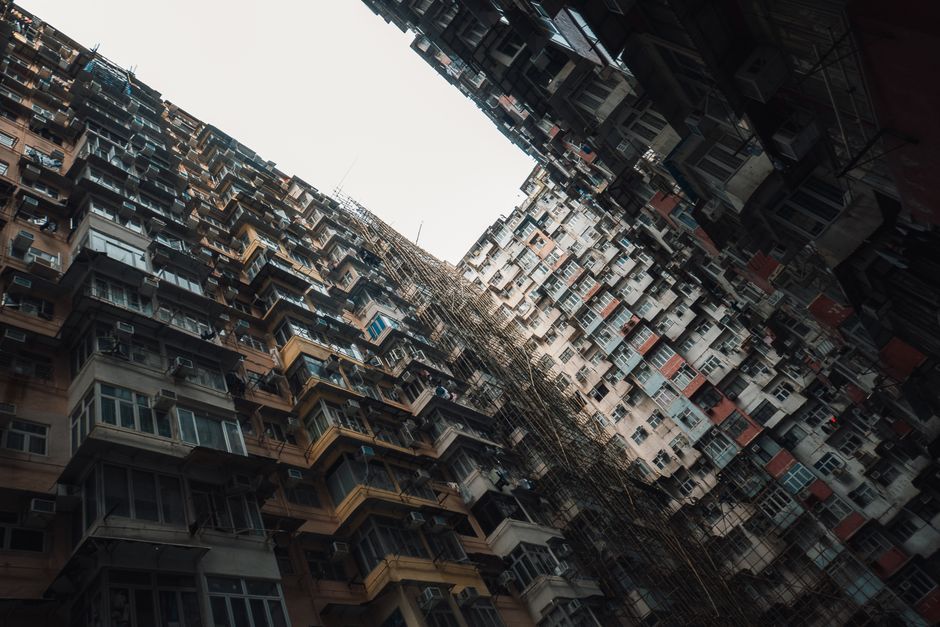
Walk through Hong Kong's neighbourhoods and you'll find the city's true character not in its 2,755 skyscrapers, but in the hands that have shaped its corners for decades. These are the people—the dai pai dong hawkers, the neighbourhood tai tais, the heritage volunteers—whose stories reveal why, despite rapid development and ever-climbing property prices averaging HK$700,000 per square foot, Hong Kong remains fundamentally human.
In Mong Kok, the oldest dai pai dong still operating on Argyle Street serves the same lunch crowd that arrived in the 1970s. The proprietors have watched rents climb from thousands to hundreds of thousands of dollars monthly, yet they remain—not out of nostalgia, but because their regulars, now in their seventies and eighties, depend on them. These aren't Instagram moments; they're the scaffolding of community.
Travel uphill to Central's Cat Street, where heritage conservation volunteers work alongside residents to preserve tenement buildings dating back to the 1920s. Their efforts have spawned a grassroots tourism that quietly celebrates Hong Kong's architectural narrative—a counterweight to the glass-and-steel narrative that dominates the island's skyline.
In Sham Shui Po, where median rents remain comparatively affordable at around HK$25,000 monthly for a small flat, multi-generational families have created an unlikely creative hub. Artists, musicians, and independent bookshop owners have chosen this neighbourhood precisely because affordability permits authentic creative practice—not the curated lifestyle version sold in Central or Causeway Bay.
What emerges from these neighbourhoods is a quiet resistance to homogenisation. Despite Hong Kong's global reputation as a financial epicentre, the city's resilience depends on people like the Kowloon Tong community gardeners maintaining pocket parks, or the retired teachers in North Point teaching free Cantonese lessons to new arrivals.
The 2021 census showed 7.5 million people living in Hong Kong's 1,104 square kilometres—a density that could breed disconnection. Instead, neighbourhood associations, temple committees, and informal mutual-aid networks have deepened roots. These aren't quaint relics but active systems that absorb shock: during crises, they're the first responders before government aid arrives.
Hong Kong's true face isn't photographed from the Peak. It's found in the regulars who know the Sheung Wan dai pai dong owner's family by name, in volunteers stewarding heritage, in renters choosing community over luxury. As the city navigates its future, these faces—often invisible in global narratives—remain essential. They're why Hong Kong, despite everything, still feels like home.
This article was compiled by AI from the sources linked above and screened before publishing. See our editorial standards.