For decades, the commute through Central has been synonymous with exhaust fumes, gridlocked minibuses, and the resigned shuffle of office workers navigating Des Voeux Road. But 2026 marks a pivotal shift in how Hongkongers move through their city's busiest neighbourhood, driven by an ambitious confluence of infrastructure upgrades, emission-reduction mandates, and changing workplace patterns.
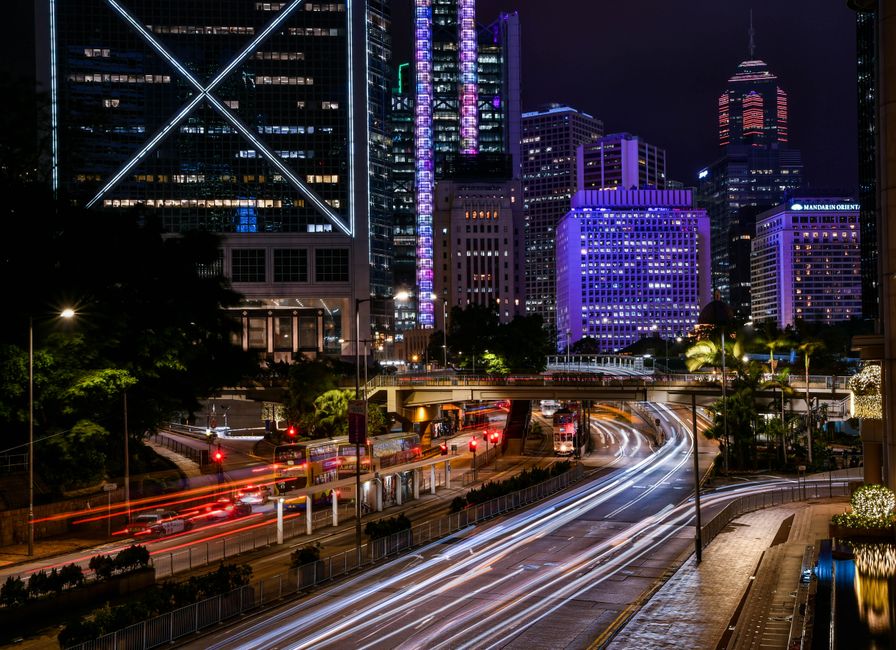
The most visible change is the accelerated electrification of public transport. From July this year, the MTR's new dedicated bus lanes on Des Voeux Road and Queen's Road Central have begun routing electric buses exclusively during peak hours. The number of zero-emission buses operating through Central has jumped from 180 to over 320 in the past two years, according to recent data from the Transport Department. For commuters, this translates into cleaner air quality on crowded platforms—a tangible improvement after decades of diesel emissions.
Equally transformative is the expansion of protected cycling infrastructure. The Star Ferry to Central MTR corridor now includes a segregated bike lane that connects seamlessly with routes extending toward Sheung Wan and up to Mid-Levels. While cycling remains a niche choice for many office workers, adoption has doubled since 2024, with monthly bicycle counts on Central's new lanes reaching 8,000 by May this year.
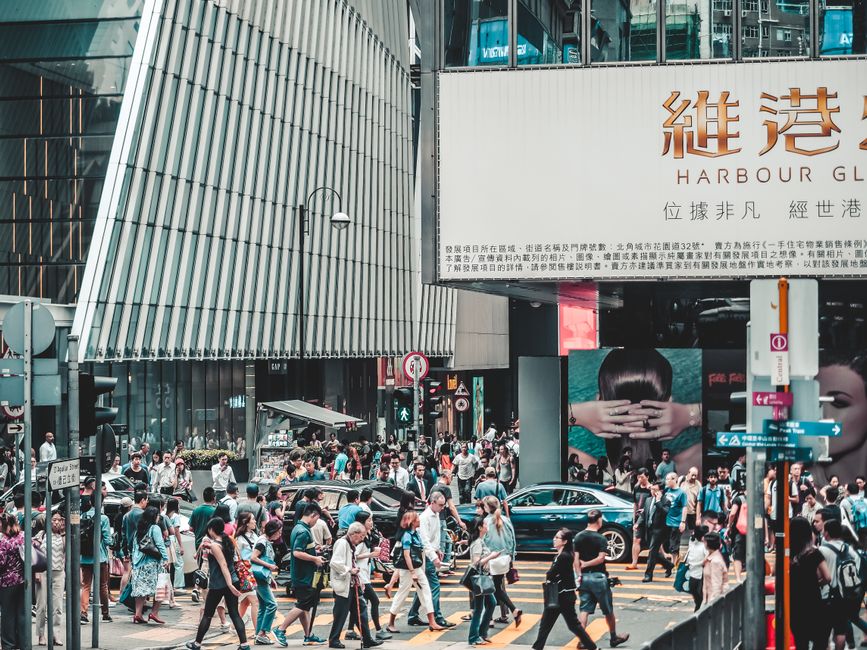
Perhaps most disruptive to traditional commuting patterns is the permanent shift in hybrid working. Major financial institutions clustered around International Finance Centre and the Cheung Kong Center have consolidated on-site days to three per week, reducing Central's peak-hour foot traffic by an estimated 15-20%. This has created an unexpected consequence: mid-morning and afternoon journeys through Central are now relatively uncongested, prompting a subtle behavioural shift among the remaining commuters.
The MTR's forthcoming eighth-line extension, due to open in early 2027, promises to siphon off pressure from the existing Central interchange. Pre-opening data suggests it could reduce crowding on the Island Line by up to 12% during peak periods.
Yet challenges persist. Ageing infrastructure on some cross-harbour routes remains unreliable, and the integration between different transport modes—ferry, bus, MTR—still lacks seamlessness. The government's ambitious target of reducing transport-related emissions by 40% by 2030 will require continued investment.
For Hong Kong's commuters, the message is clear: the daily grind through Central is no longer a foregone conclusion of chaos. The city is actively reshaping how its millions move, making the journey not just faster, but fundamentally different from the commute of even three years ago.
This article was compiled by AI and screened before publishing. See our editorial standards.