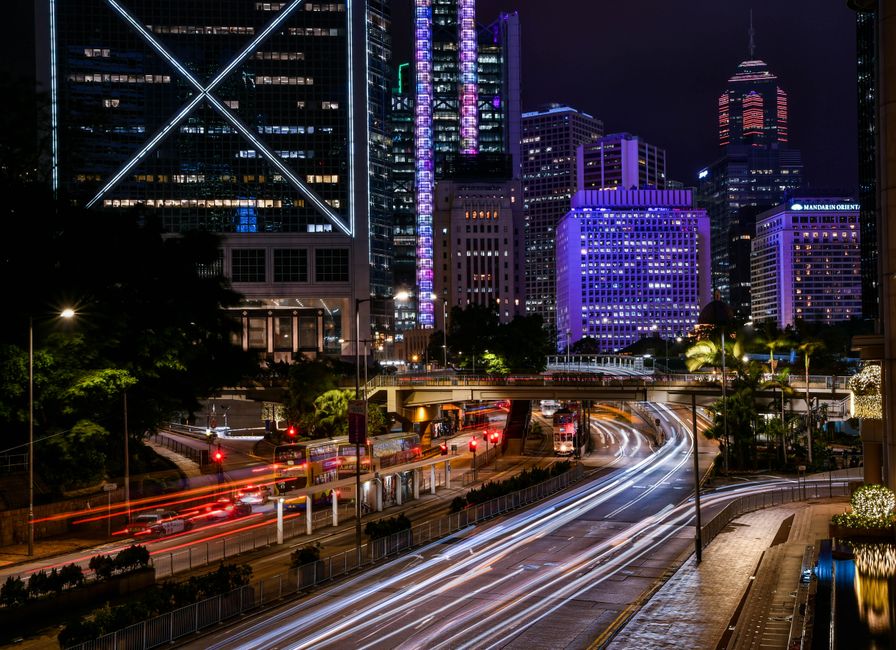
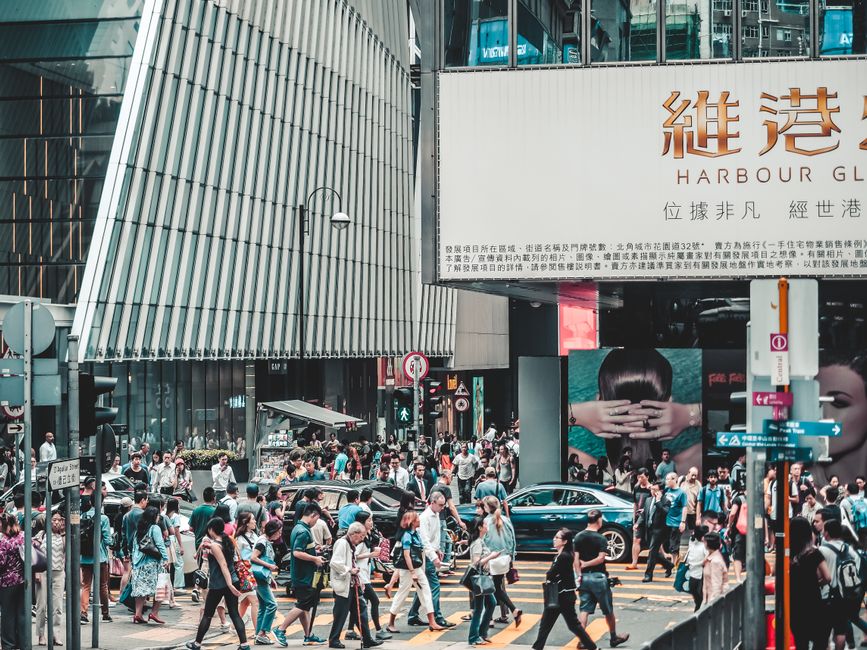
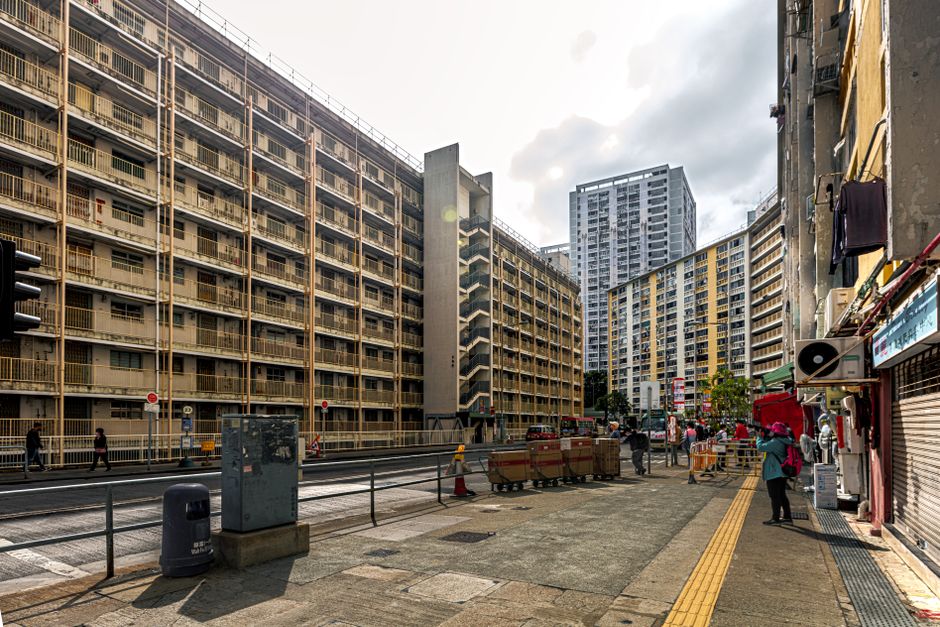
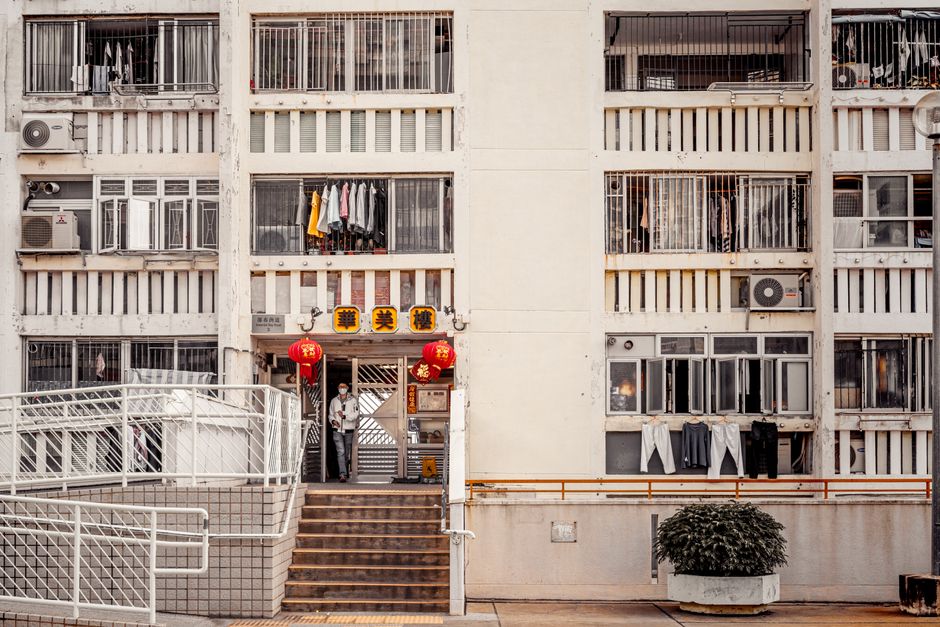
Hong Kong's expat population has swelled to over 600,000 in recent years, yet newcomers often arrive armed with outdated advice and rose-tinted expectations. We spoke with long-term residents across Central, Wan Chai, Causeway Bay and the New Territories to uncover what genuinely matters when relocating to Asia's World City.
Housing isn't negotiable—budget accordingly
The first shock: rent. A modest two-bedroom flat in Sheung Wan or Mid-Levels runs HK$40,000–55,000 monthly; peak areas like Victoria Peak can double that. Seasoned expats recommend touring neighbourhoods during rush hour before committing. Popular residential zones include Repulse Bay for families, Sai Kung for space-seekers, and Quarry Bay for younger professionals. Most recommend negotiating directly with landlords and securing leases through established agencies rather than jumping at first viewings.
Transportation requires strategy
The MTR is exceptionally reliable, but storage space is premium. Long-termers suggest living within walking distance of MTR stations—the added convenience justifies slightly higher rent. Octopus cards (HK$150 initial cost) are essential for everything from transport to convenience stores. Monthly transport costs average HK$800–1,200 depending on commute distance.
Banking and bureaucracy move slowly
Opening a bank account takes weeks, not days. Bring original documents, proof of address, and patience. Experts recommend starting this process immediately upon arrival. Similarly, visa renewals and work permits require advance planning; the Immigration Department (located in Wan Chai) handles thousands monthly, so expect queues.
Food and community anchor your experience
Locals consistently cite food as Hong Kong's greatest asset. Beyond tourist-heavy restaurants, authentic neighbourhood dim sum spots in Wong Tai Sin and dai pai dong stalls in Central offer extraordinary value—HK$30–80 per meal. Expat communities thrive in Lan Kwai Fong and Wan Chai, but genuine integration happens in neighbourhoods like Sheung Shui and Tai Wai, where English speakers are fewer but communities warmer.
Plan for seasonal challenges
Typhoon season (May–November) catches newcomers off-guard; stock essentials early. Summer humidity is relentless; air conditioning bills spike to HK$2,000+ monthly. Winter rarely requires heating, but damp conditions plague older buildings.
The insider advantage
Most experienced expats emphasize: join local groups immediately—book clubs, hiking societies, professional networks. These connections transform Hong Kong from a layover into genuine home. The city rewards curiosity and patience in equal measure.
This article was compiled by AI and screened before publishing. See our editorial standards.