Walk through Repulse Bay on a Saturday morning and you'll spot a particular Hong Kong phenomenon: clusters of uniformed children queuing outside cafés, their parents navigating double buggies between boutique shops. This isn't random—it's the pulse of a neighbourhood where international school culture meets leisurely family life, where weekend routines feel almost ritualistic.
Each of Hong Kong's established family enclaves carries its own distinct character, shaped by school catchments, transport links, and generations of parent networks that operate with surprising visibility across the city's tightly-knit communities.
In Mid-Levels, families gravitating towards local Chinese medium schools create a different ecosystem entirely. Parents cluster around MTR exits during peak hours, and neighbourhood WhatsApp groups buzz with recommendations for tutorial centres—a $15,000-$25,000-per-month necessity for many families preparing children for the DSE. The neighbourhood's density means schools like Ying Wa Girls' School draw families who value cultural grounding alongside academic rigour.
Meanwhile, Discovery Bay has carved out its own insular world. The gated residential enclave, home to roughly 12,000 residents, operates almost autonomously, with Discovery College drawing expat and wealthy local families seeking a more spacious lifestyle. Parents here speak of "DB culture"—weekend activities centred on the beach club, the marina, and an international school community where English dominates playground conversation.
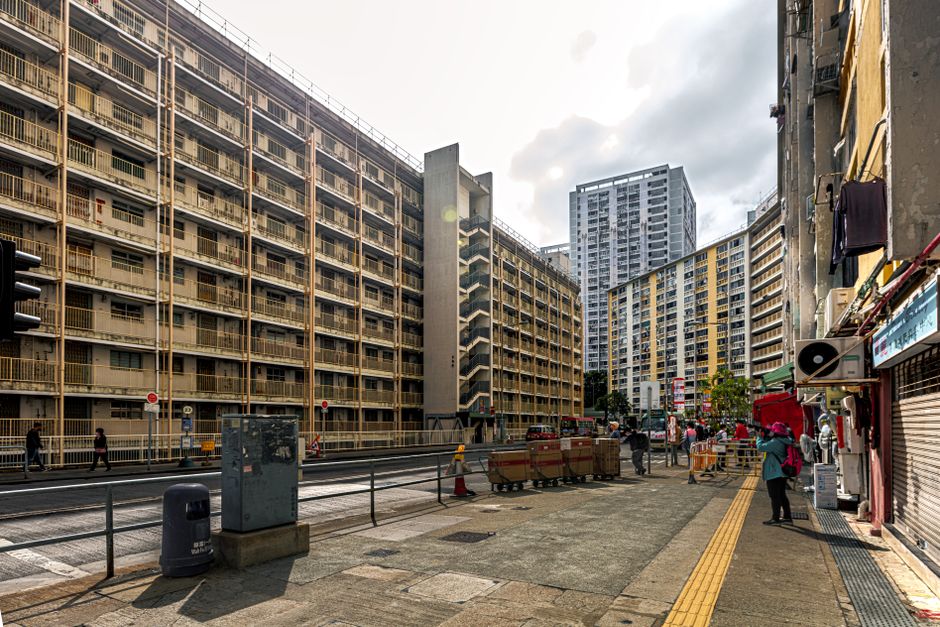
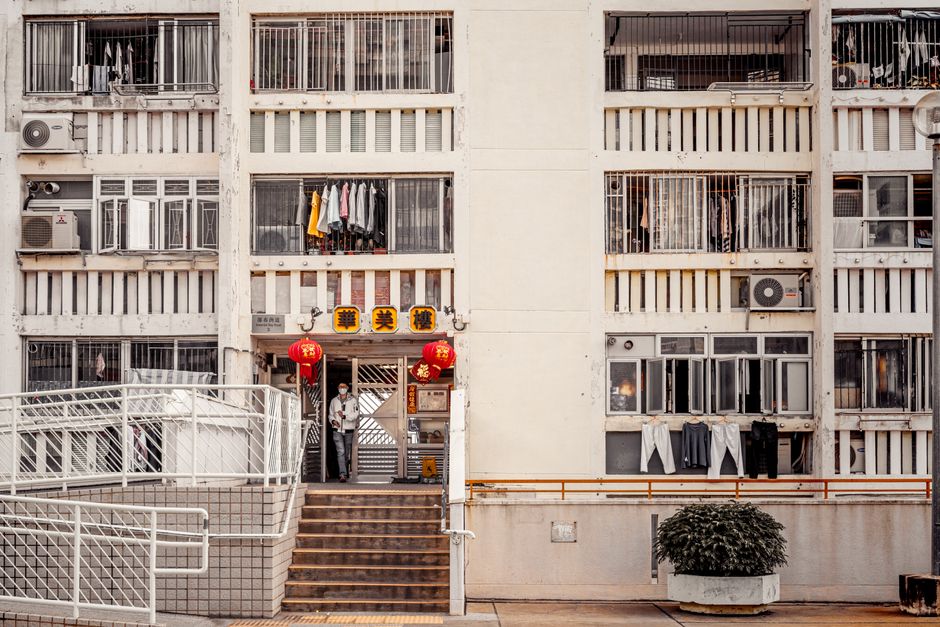
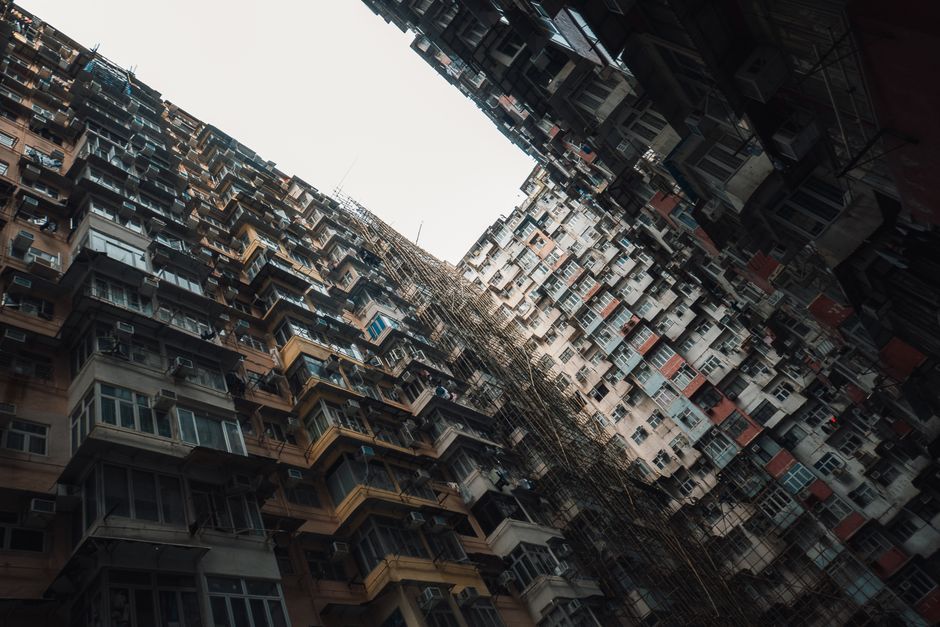
Kowloon neighbourhoods tell yet another story. In Mong Kok and Prince Edward, densely packed residential towers house families navigating different educational pathways. Local kindergartens, many operating from converted flats, maintain waiting lists months in advance. Prices range from $4,000 to $20,000 monthly, yet spaces remain fiercely competitive as parents weigh curriculum philosophies and language immersion options.
What unites these disparate communities isn't geography but shared parental anxieties. Across Hong Kong, families grapple with school selection pressures that intensify earlier each year. The recent expansion of direct subsidy scheme places and international school options has fragmented the old consensus, leaving parents—particularly those new to the city—navigating increasingly complex choices.
Yet neighbourhoods still matter profoundly. A family's choice of district often determines not just which school gates their children enter, but which parent networks they'll access, which weekend activities dominate their calendar, and ultimately, which version of Hong Kong childhood their child will experience. In a city where space is finite and competition infinite, neighbourhood culture remains the invisible architecture shaping family life.
This article was compiled by AI from the sources linked above and screened before publishing. See our editorial standards.