Master Hong Kong's Transport Network: A Resident's Practical Guide to Getting Around with Ease
From the MTR to trams and ferries, here's how to navigate the city's efficient systems and unlock hidden neighbourhoods.
2 min read
From the MTR to trams and ferries, here's how to navigate the city's efficient systems and unlock hidden neighbourhoods.
2 min read
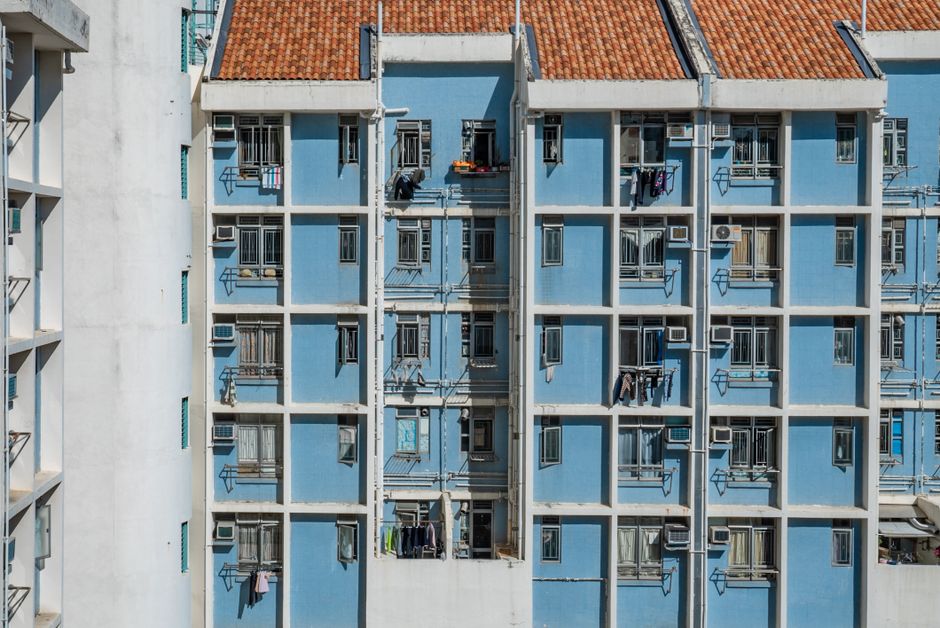
Hong Kong's reputation for seamless mobility is well-earned. With the MTR handling 5.7 million daily journeys and buses connecting every corner, the city's transport infrastructure is a resident's best friend—if you know how to use it strategically.
Start with the MTR, the backbone of commuting. The eleven lines crisscross the territory with precision timing; trains arrive every 2-3 minutes during peak hours. A monthly pass costs around HK$400, offering unlimited journeys that quickly pay for themselves. Beyond the obvious Central-to-Causeway Bay route, explore lesser-known stations. Admiralty's underground passages connect to Pacific Place and the Lippo Centre without surfacing; Tai Koo's pedestrian bridges network leads directly to office parks and cafés rarely discovered by tourists.
The Octopus card remains indispensable. This single payment method works across MTR, buses, ferries, taxis, and even convenience stores—streamlining your journey from home to office to dinner in Soho without fumbling for coins.
For scenic commutes, don't overlook Hong Kong's iconic trams and ferries. The Peak Tram whisks you up Victoria Peak in seven minutes, while the Star Ferry between Central and Tsim Sha Tsui costs just HK$2.80 and offers views rivalling any tourist boat tour. The New Territories' light rail network, particularly around Tuen Mun and Yuen Long, offers quieter alternatives for weekend exploration.
Bus routes, numbering over 700, extend into neighbourhoods the MTR hasn't reached. The 15 bus circles Hong Kong Island's northern coast, revealing hidden beaches and temples; the 1 connects Central's skyscrapers to quiet Stanley. Real-time tracking apps show exact arrival times, eliminating guesswork.
Strategic commuting unlocks the city's hidden gems. Exit Tai Po Market station and you're minutes from the Tai Po Waterfront Park; Yau Tong leads to the Kowloon Walled City Park, a serene historical site most residents never visit. The Star Ferry's quieter Wan Chai terminus opens access to Johnston Road's vintage shops and neighbourhood gems.
Plan journeys using the MTR's official app or Google Maps, both integrated with live data. Peak hours (7-9am, 5-7pm weekdays) mean standing room only; shift your plans slightly outside these windows if possible, especially when exploring new areas.
Hong Kong's transport system isn't just functional—it's a gateway to discovery. Master it, and the city transforms from a place to work into a place truly to inhabit.
This article was compiled by AI from the sources linked above and screened before publishing. See our editorial standards.

About this article
Published by The Daily Hong Kong
Spread the word
Daily brief
Free, in your inbox before 7am. Weekdays.
Before you go
The day's Hong Kong news in a 2-minute read. Free, weekday mornings.