Where Strangers Become Regulars: The Soul of Hong Kong's Neighbourhood Markets
Beyond the bargains, traditional markets and independent shops across the city reveal tight-knit communities that have weathered decades of change together.
2 min read
Beyond the bargains, traditional markets and independent shops across the city reveal tight-knit communities that have weathered decades of change together.
2 min read
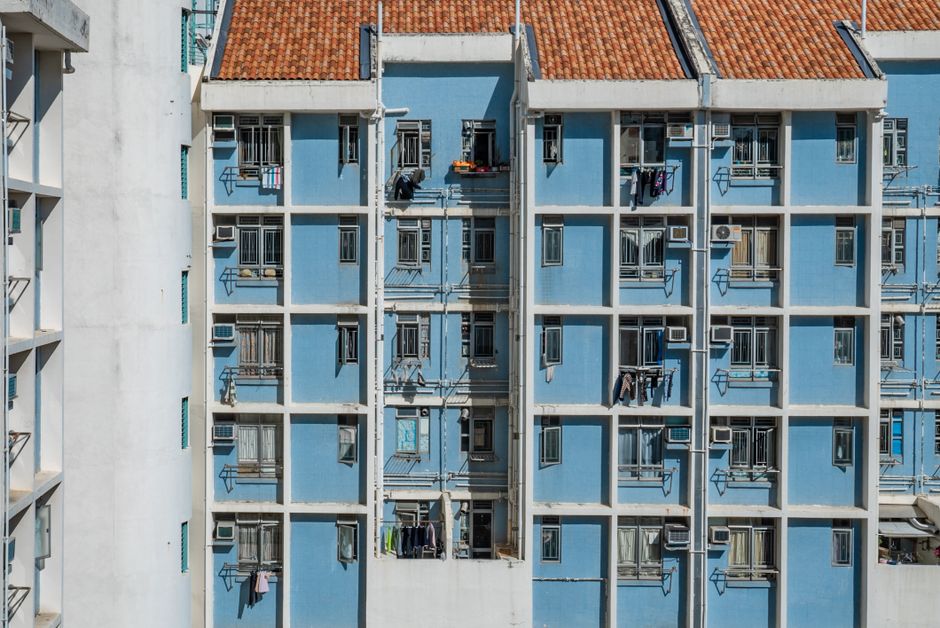
Walk into Wan Chai's Spring Garden Lane on any weekday morning and you'll witness a ritual unchanged for generations. Elderly vendors arrange produce with the precision of museum curators. Regular customers greet them by name. A fishmonger's grandson learns the trade alongside his grandfather. This isn't nostalgia—it's living, breathing community infrastructure.
Hong Kong's neighbourhood shopping culture tells a story that gleaming malls cannot. The wet markets—from the bustling Graham Street in Central to the quieter wet market tucked beneath the Northern Line in Sheung Wan—remain social anchors where transactions carry weight beyond commerce. A 2024 Census showed that 68% of residents still shop at traditional markets weekly, drawn not solely by competitive prices (a kilogramme of morning glory costs around HK$12-15 compared to supermarket markups), but by the human connection.
In Mong Kok, the legendary Ladies' Market spanning Tung Choi Street attracts both locals seeking practical finds and tourists chasing authenticity. But the real character emerges on the quieter parallel streets where fabric vendors have occupied the same stall for twenty years, where seamstresses know your measurements, and where a grandmother might hand-recommend a tailor to her granddaughter's friend. These aren't transactions—they're continuities.
The independent retail landscape has fractured over the past decade. Rising rents have shuttered countless neighbourhood shops. Yet pockets of resilience persist. Ap Lei Street in Sham Shui Po remains an electronics quarter where specialists still help customers navigate genuine versus counterfeit goods—a service demanding expertise and reputation. The vintage shops on Pawn Street showcase Hong Kong's circular economy: pre-loved designer bags, reconditioned cameras, refurbished electronics. Prices vary wildly, but regulars know who deals fairly.
What distinguishes these spaces is their embedded knowledge. The dried goods vendors in Kennedy Town aren't merely selling ginseng and bird's nest—they're repositories of traditional wellness wisdom. The fabric dealers in Sham Shui Po understand construction, weight, seasonality. This expertise, cultivated over decades and passed through families, cannot be replicated by e-commerce algorithms.
As Hong Kong navigates gentrification and modernization, these neighbourhood markets function as cultural anchors. They're where Cantonese remains the first language, where face-to-face negotiation still matters, where being a regular carries privileges that membership cards cannot match. In an increasingly fragmented city, they remain where strangers reliably become neighbours.
This article was compiled by AI from the sources linked above and screened before publishing. See our editorial standards.
About this article
Published by The Daily Hong Kong
Spread the word
Daily brief
Free, in your inbox before 7am. Weekdays.
Before you go
The day's Hong Kong news in a 2-minute read. Free, weekday mornings.