Walk into a Tokyo shopping arcade and you'll find pristine efficiency. Browse Manhattan's Fifth Avenue and you'll encounter premium branding. But venture into Hong Kong's Temple Street Night Market or the labyrinthine stalls of Ladies' Market in Mong Kok, and you'll experience something entirely different: a peculiarly Hong Kong alchemy of haggling, heritage and hyperlocal finds that has no true equivalent worldwide.
What sets this city apart isn't just the markets themselves—it's their ecosystem. Unlike Bangkok's Chatuchak or Istanbul's Grand Bazaar, which operate on specific days or seasons, Hong Kong's street markets pulse with activity almost continuously. Temple Street comes alive nightly with vendors hawking everything from vintage watches to ceramic figurines, while the daytime wet markets of Central and Wan Chai remain fundamentally unchanged since the 1950s, selling live chickens alongside luxury organic produce.
The density alone is staggering. A ten-minute walk from the gleaming IFC mall in Central takes you to Cat Street's curated antique shops, where dealers stock everything from Qing dynasty porcelain to vintage propaganda posters. Prices here reflect both tourist traffic and serious collectors—expect to pay HK$500-2,000 for genuine mid-century Chinese jade pieces, compared to triple that in London's Portobello Road.
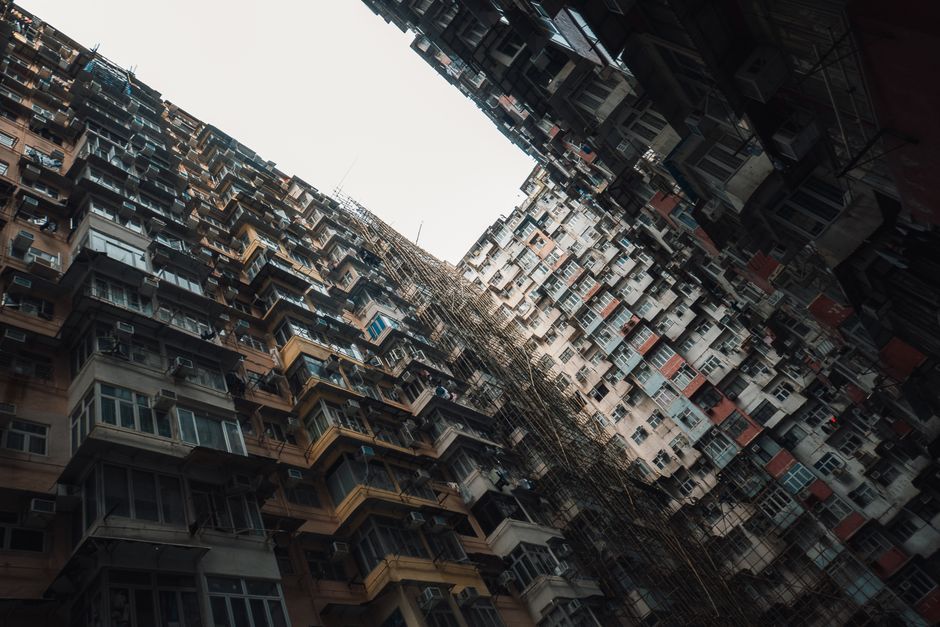
But what truly distinguishes Hong Kong is the vertical integration. While most cities spread markets horizontally across districts, here they stack them. The Apliu Street electronics bazaar in Sham Shui Po spans multiple levels and side alleys, creating a three-dimensional shopping experience where you can find second-hand circuit boards on one floor and refurbished iPhones below. This spatial compression—born from Hong Kong's real estate scarcity—creates a retail intensity that mirrors the city's essence.
The cultural crossroads element amplifies this uniqueness. Mong Kok's markets reflect the neighbourhood's Korean, Southeast Asian and mainland Chinese populations, creating hybrid retail zones that don't exist elsewhere. You'll find Korean cosmetics haggled alongside traditional Chinese herbs and Filipino dried goods, all within a single block.
International comparison reveals the gap: Seoul's street markets are organised and sanitised; Singapore's are climate-controlled and commercialised; Bangkok's are fragmented across districts. Hong Kong's markets remain gloriously chaotic, utterly Hong Kong—where a grandmother selling handmade dim sum wrappers operates metres from a boutique flogging designer streetwear.
That unpolished authenticity, that refusal to be gentrified out of existence despite decades of development pressure, is what makes Hong Kong's shopping landscape singular. It's not the markets themselves, but what they represent: a living, breathing, arguing, haggling embodiment of the city's identity.
This article was compiled by AI from the sources linked above and screened before publishing. See our editorial standards.